Optimizing the 5-1 Volleyball Defensive Layout
Many volleyball teams today use a 5-1 offensive system, which relies on one setter to create more attacking options. While this helps the offense, it can leave the defense exposed, especially when the setter is in the back row. Teams need to protect the setter and help them move quickly to the setting zone so the offense stays on track. Because of these challenges, every team needs a solid and organized 5-1 defensive layout to stay competitive.
When the setter is in the back row, they become the main defender. If the setter has to dig the first ball, the team loses its main playmaker for that rally, making the attack less predictable. To avoid this, other defenders should handle most of the opponent’s attacks. This allows the setter to move quickly to the net. The aim is to limit how often the setter has to play the first ball.
To keep this system working, all six players need to position themselves carefully and communicate clearly. Each player’s role changes depending on where the opponent attacks and where the setter is in the rotation. Without this discipline, the defense can break down, leading to messy rallies and easy points for the other team.
Defining Defensive Responsibilities and "The Hole"
In a typical rotational defense, defenders move and react instead of staying put. To protect the setter, the libero and off-blocker often cover more ground. When the opponent attacks from Zone 4, the setter is usually in Zone 1. Trouble happens when cross-court shots or attacks go between the setter in Zone 1 and the middle defender in Zone 6. This gap is called "the hole."
To fix these defensive problems, many teams use special tactics in their 5-1 defensive setup. These changes help cover the weaknesses mentioned earlier and give better support around the setter.
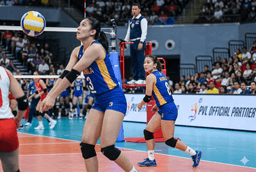
• Slide Defense: The libero, usually in Zone 5 at the back left, is responsible for covering most deep cross-court attacks. In slide defense, the libero moves sideways and sometimes diagonally to reach balls that would otherwise make the setter play defense. The libero needs to read the hitter and be ready to move quickly to help the setter.
• Off-Blocker Responsibility: The off-blocker, usually the opposite hitter when the setter is in the back row, needs to move back from the net quickly to defend against sharp angles and tips. The off-blocker is the front-row attacker not involved in the block on that play and is often in charge of the area right in front of the setter.
• Sometimes, teams position the back-row setter farther back or closer to the sideline in certain rotations. Other players then cover the middle of the court.
These tactics aim to send attacks toward the libero or the next best defender, so the setter stays ready to set up plays.
Perimeter Defense vs. Rotational Shifts
Deciding between a strict perimeter defense and a more flexible rotational shift affects how a team protects its setter. In a perimeter defense, players stay close to the sidelines and backline, leaving the middle open and making it easier for opponents to use tips and roll shots. This can sometimes leave the setter alone in Zone 1.
In a rotational defense, one player—usually the Zone 6 defender—moves up to cover the middle area known as the "donut." Other defenders shift to cover the deep corners. This setup helps protect the middle but puts more pressure on the setter and the Zone 5 defender to cover the deep edges of the court.
The best defensive strategy depends on the opponent’s style. If the other team uses a lot of tips, a rotational shift with extra coverage in the middle works best. If they have strong hitters who target the deep corners, a perimeter defense that relies on the libero’s range can better protect the back-row setter. Teams should adjust their defensive layout during the game and after looking at scouting reports.
Maintaining Transition Efficiency
A good defensive layout is not just about making digs, but also about how well the team can turn defense into a strong counter-attack. Protecting the setter does not help if the pass is too low or off-target for the setter to use the main hitters. That is why the defense, libero, and other receivers need to work together to send high, accurate passes to the target area (where Zones 2 and 3 meet). This teamwork between a disciplined 5-1 defense and good ball control is what makes top teams able to run a strong offense, even under pressure.
TigerScores provides a comprehensive look at the sports world with live results, detailed player analytics, and the latest trending news. Browse our website to access a complete database of scores and stats designed to keep every fan fully informed and engaged.


McCullough Expects TNT-Ginebra Finals Showdown to Become a PBA Classic
Sparks Eye Twice-to-Beat Advantage Against Lady Kankaloo
Batangas, Biñan Keep Winning Ways in MPBL 2026
Mastering Rotation: How to Avoid Volleyball Overlapping Penalties
Optimizing the 5-1 Volleyball Defensive Layout
Outside Hitter Tactics: Balancing Attack and Serve Receive
Middle Blocker Roles in Reading Attacks and Fast Tempos
Tracking the Setter: Front Row vs Back Row Rotations
Tiongson Returns to Dyip as Beermen Acquire Ahanmisi
Wilson, Padrigao Shine in First MPBL Appearances as Zamboanga Snaps Losing Streak