3-Second Rule: Modern Impact on Offense
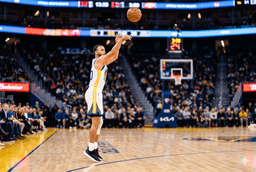
Basketball moves fast at both the professional and college levels. Even with this speed, the game relies on certain rules to keep things balanced. Knowing why these rules exist is key to understanding today’s game. The 3-second rule is especially important because it guides how players move, makes teams adjust their tactics, and stops offenses from becoming slow or too physical.
Some rules become less important over time, but the 3-second rule still matters a lot. Looking at the official Basketball Rules shows how it continues to balance offense and defense. Today, when spacing and movement are so important, the 3-second rule is more than just a timer. It’s a key part of the game that keeps play fast and helps teams use better strategies.
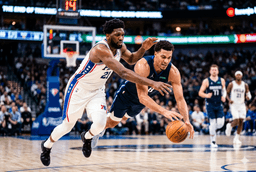
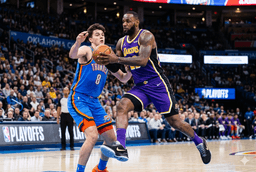
To understand the 3-second rule, it helps to know how it works. When a team has the ball, offensive players can’t stay in the paint for more than three seconds in a row. The count starts over if the player leaves the area or if someone takes a shot. If a player breaks this rule, their team loses the ball and the other team gets possession.
Tactical Roots and Restoring Balance
The 3-second rule wasn’t always part of basketball. In the early days, big players could stand right under the basket without having to move. These strong post players would stay in the paint, get easy passes, score quickly, or draw lots of fouls. Games often became slow and low-scoring, missing the excitement and athletic style we see now.
Adding the 3-second rule fixed this problem. It changed how the game is played and brought several important benefits:
• Because players can’t just stand still in the paint, the rule makes offenses keep moving. Players have to cut, move out of the paint, get ready to shoot, or reset their position. Offenses can’t just leave someone waiting under the basket anymore. This creates the fast-paced, team-oriented play seen in the NBA and top international leagues.
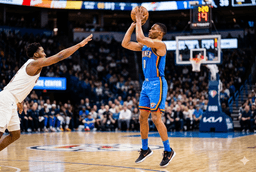
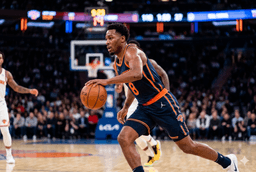
• One of the biggest effects of the rule today is on spacing. By keeping the paint from getting too crowded, it gives guards and forwards more room to drive to the basket. Attacking the rim is easier without a wall of defenders, all because of this important rule.
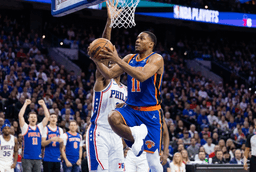
• The 3-second rule makes it harder for centers who only rely on their size. Now, big players have to be agile, set screens, roll to the basket, move out of the paint, and sometimes shoot from outside. They can’t just wait near the rim anymore.
• Most people think of the 3-second rule as an offensive rule, but it also helps the defense. Offensive players can’t stay in the paint for screens or position anymore. This lets defenders rotate better and challenge shots without having to deal with someone always parked under the basket.
Dynamic Pacing and Tactical Flow
The 3-second rule limits the advantage of size, but its main goal is to keep the game moving and highlight athletic skill. Without this rule, basketball would go back to favoring bigger players over skillful movement and smart strategies.
Unlike obvious violations like shot-clock or traveling, the 3-second rule works quietly in the background. It shapes how players move, guides coaches in designing plays, and helps basketball keep its unique mix of strength and speed.
Stay on top of every fast break and buzzer-beater with TigerScores, your home for live NBA and college hoops updates. From real-time box scores to season-long player stats, we provide the essential data every basketball fan needs to follow the game.


Mastering the Half-Space: A Key to Modern Soccer Success
3-Second Rule: Modern Impact on Offense
Determining the Path: How the NBA Draft Bracket is Finalized
UEFA 2026: Expansion Plans for the Women’s Game
Tactical Genius: Ranking the Best UCL Managers
Sisi Rondina: The "Cherry Bomb" Ignites Choco Mucho
WNBA Offseason Shifts: How Early Moves Reshape the League
Underdog Road Warriors Hold Win-Once Edge Over Top-Seeded TNT
Kings Rally from 15 Down to Shock Risers
UP Gears Up for Asian Challenge in AUBL