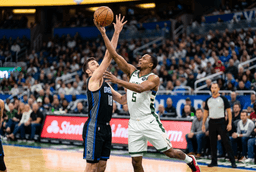
NBA 8-Second Rule: Understanding the Backcourt Clock
The NBA is fast-paced, and every second counts. While fans focus on dunks and last-second shots, basic rules quietly control the game’s speed. The 8-second rule is one of these, forcing the offense to move quickly and rewarding strong defense.
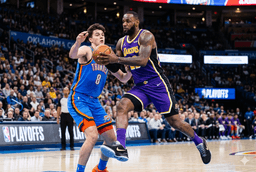
In basketball, the clock controls the action. The 8-second rule stops teams from stalling by limiting how long they can stay in the backcourt. It applies whenever a team gets the ball in the backcourt after a basket, rebound, or turnover.
Navigating the Mid-Court Stripe
The rule is simple but has tactical depth. Once a team gets the ball behind mid-court, the 8-second count begins. The shot clock also starts, but getting across mid-court comes first.
The count stops when both the ball and the player with it cross mid-court. If the offense does not advance in time, they lose possession and the other team gets the ball at the nearest sideline. Many think a defensive tip resets the count, but it only does if the defense takes control.
Defensive Pressure and Strategic Stalls
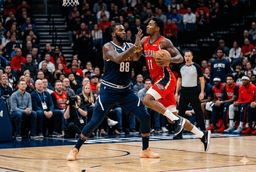
Defenses use the 8-second rule to their advantage. Coaches create pressing strategies to take advantage of it. A full-court press does not always need a steal; just running out the clock can cause a turnover. Defenders may block the main ball-handler, making someone else bring up the ball and wasting time. Trapping the dribbler near mid-court and using the sideline as help is also common.
On offense, teams must adjust to this pressure. They often use quick inbounds to get the ball moving before the defense is ready.
• A screen is when a teammate stands still to block a defender, helping the ball-handler move up the court. This gives the offense more time to get the ball across safely.
• A handoff is when the player with the ball gives it directly to a teammate, often while both are moving. This changes where the play starts and makes it harder for defenders to react.
Some teams use the rule to help them. If they are ahead late in the game, they might stay in the backcourt for 7 seconds before crossing, using up time and giving the other team fewer chances to score. This is risky because any defensive play can cause a violation.
The Whistle and the Possession Arrow
The 8-second rule keeps the game moving and stops teams from stalling. Good defense and quick players often make the transition smooth, but a violation is always possible. A careless pass or a smart trap can lead to a turnover. Knowing this rule shows how much strategy happens before anyone even takes a shot.
TigerScores provides a comprehensive look at the sports world with live results, detailed player analytics, and the latest trending news. Browse our website to access a complete database of scores and stats designed to keep every fan fully informed and engaged.


Underdog Road Warriors Hold Win-Once Edge Over Top-Seeded TNT
Kings Rally from 15 Down to Shock Risers
UP Gears Up for Asian Challenge in AUBL
Huskers Surge to 113 Points, Rout Masskaras
Mbappe UCL Quest: Chasing European Glory in Paris
Understanding the Larry Bird Exception in the NBA
NBA Playoffs 2026: Live Standings and Bracket Updates
Ranking the Best PL Keepers in History
Accuracy Matters: Guide to PBA Import Measurements
Premier League Evolution: Master False 9 Tactics