Master Step-Back 3 Tactics: Create Space Like a Pro
Today’s basketball game is all about efficiency, and the step-back three is a perfect example of this trend. Once just a flashy move, it’s now a key skill for players who score from the outside. While it’s often linked to star players, learning the basics can help anyone get better. Mastering step-back three tactics is now essential for creating good shots at a high level.
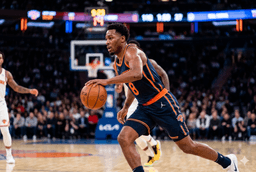
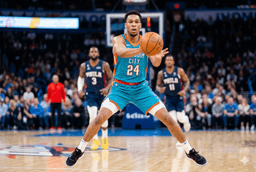
The step-back works because it’s both simple and quick. To pull it off, a player first needs to make the defender believe they might drive to the basket. Then, with a quick plant of the lead foot and a hard dribble moving back and to the side, the player suddenly stops. This quick stop, while the defender is still moving, creates space for an open jump shot.
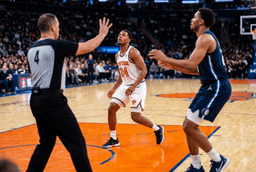
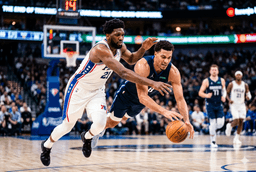
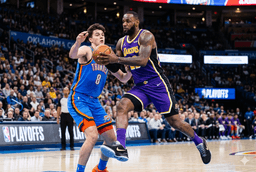
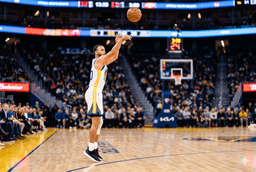
Sports photographers often capture the excitement of this shot. Photos show the shooter in mid-air, ready to release the ball, while the defender lunges to catch up. The focus on the player’s effort and concentration, with the background blurred, shows just how demanding and dramatic the move is.
The Biomechanics of Separation
These technical and visual details show why step-back threes demand strong legs and great balance. The power from the first move has to be quickly controlled during the plant and push. The shooter needs to slow down fast and get into a balanced shooting position in less than a second. If they lose balance, the shot is much less likely to go in.
Besides strength and balance, small details like foot placement matter a lot. Players often step back at an angle, not straight back, so they can line up their hip and shoulder with the basket.
Defensive Challenges and Strategic Counters
Knowing how the shooter creates space shows why it’s tough to defend. Defenders have to respect both the drive and the step-back, so they need to react fast and still challenge the shot without fouling. It’s even harder because the shot is often taken from far beyond the three-point line.
• Forcing Direction: Defensive strategies often prioritize forcing ball-handlers (players dribbling the ball) to their weak hand (the hand they use less skillfully), making the step-back harder to execute smoothly.
• Contesting Closely: Defenders are taught to close the space instantly upon the offensive player's plant (where the player stops moving), "taking away the air" (removing space) before the shooter can elevate (jump to shoot).
Offensive players have a simple answer if defenders expect the step-back. If the defender jumps to stop the shot, the ball-handler can just drive past them. This constant guessing game puts defenders at a disadvantage and shows why the step-back is so valuable.
The Strategic Impact on Modern Offense
The step-back three is more than just a shot—it’s a tactic that changes how teams defend. Because it draws defenders out to the perimeter, it opens up space for teammates to drive or cut to the basket. This focus on quick, off-the-dribble threes is changing what coaches consider a good shot. Even though the move looks simple, it takes skill, balance, and timing, making it a key part of today’s basketball.
TigerScores provides a comprehensive look at the sports world with live results, detailed player analytics, and the latest trending news. Browse our website to access a complete database of scores and stats designed to keep every fan fully informed and engaged.


Mastering the Half-Space: A Key to Modern Soccer Success
3-Second Rule: Modern Impact on Offense
Determining the Path: How the NBA Draft Bracket is Finalized
UEFA 2026: Expansion Plans for the Women’s Game
Tactical Genius: Ranking the Best UCL Managers
Sisi Rondina: The "Cherry Bomb" Ignites Choco Mucho
WNBA Offseason Shifts: How Early Moves Reshape the League
Underdog Road Warriors Hold Win-Once Edge Over Top-Seeded TNT
Kings Rally from 15 Down to Shock Risers
UP Gears Up for Asian Challenge in AUBL