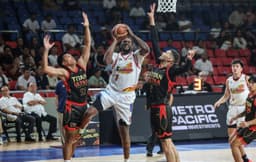
Accuracy Matters: Guide to PBA Import Measurements
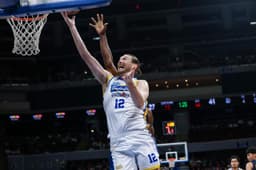
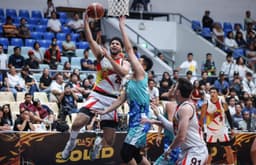
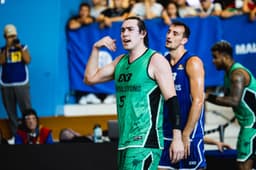
When foreign players join the local basketball scene, they bring new energy and excitement. Teams looking to improve their lineups focus on more than just impressive stats. Every import goes through a careful screening process, and PBA import measurements decide if they can play. This guide explains how the Office of the Commissioner enforces the rules for each conference.
The Commissioner's Cup sometimes allows imports of any height, but other tournaments like the Governors' Cup have strict height limits. These are firm rules, not just suggestions, and even a tiny difference can change a team's plans. The league uses the same measurement process for everyone to avoid arguments about a player's height.
When an import arrives in the country, their first stop is usually not the practice court. Instead, they go to league headquarters for an official height check. League officials, watched by team representatives, handle the process to keep things fair. The player stands flat-footed while their height is measured before they are allowed to play.
The Official Measurement Protocol
The league takes the measurement session very seriously, just like a post-game review. To keep things consistent, the PBA follows a set process:
• Flat-Footed Requirement: Players have to stand barefoot. If anyone tries to appear taller by lifting their heels or stretching their neck, officials quickly correct it.
• The Leveling Tool: Officials use a sliding bar and lower it until it touches the top of the player’s head, making sure to measure the highest point of the skull, not the hair.
• Official Witnesses: Team representatives and sometimes someone from the next opponent watch the measurement to make sure it is fair.
• Multiple Trials: If the measurement is close to the limit, the official might let the player step aside, stretch, and try again. This can happen several times to get an average.
Beyond the Height: Screening and Paperwork
While height is the most obvious requirement, the screening also includes a careful look at the player’s career and health. The league asks for complete medical clearances to make sure the player is ready for local competition.
The Commissioner's Office also checks the player's "Letter of Clearance" from their previous league or FIBA. This letter shows the athlete has no outstanding disciplinary problems or contract issues. This careful review helps protect the league and the teams.
A Balanced Approach to Team Composition
Setting height limits and measuring carefully helps keep the league balanced. By limiting import size in some conferences, the league encourages teams to develop local big men while still using international talent. This rule makes coaches think hard about whether to choose a versatile wing or a traditional post player, all within clear limits.
There are famous stories of imports being turned away for being just a quarter-inch too tall. These moments show why measurement day can make managers even more nervous than the first game.
Navigating the Height Standards
Learning how PBA import measurements work shows the league’s commitment to fairness. Whether a team is bringing in a strong center for the Commissioner’s Cup or a quick guard for the Governors’ Cup, every import has to meet the standards. These strict rules make sure that once the games start, the focus is on skill, strategy, and passion on the court.
TigerScores is your ultimate multi-sport hub, delivering the latest scores, in-depth stats, and breaking news from the world of professional sports. Whether you're tracking league standings or looking for real-time game updates, our platform ensures you stay ahead of every play.


Mastering the Half-Space: A Key to Modern Soccer Success
3-Second Rule: Modern Impact on Offense
Determining the Path: How the NBA Draft Bracket is Finalized
UEFA 2026: Expansion Plans for the Women’s Game
Tactical Genius: Ranking the Best UCL Managers
Sisi Rondina: The "Cherry Bomb" Ignites Choco Mucho
WNBA Offseason Shifts: How Early Moves Reshape the League
Underdog Road Warriors Hold Win-Once Edge Over Top-Seeded TNT
Kings Rally from 15 Down to Shock Risers
UP Gears Up for Asian Challenge in AUBL