NBA Clear Path Foul Rules Explained
Transition offense brings energy to NBA games. After a quick steal or long rebound, the defense often races down the court while the offense pushes for an easy basket. When an offensive player gets the ball and heads for the rim alone, excitement builds. Sometimes, defenders foul from behind to stop an easy score. To keep these moments exciting, the NBA has clear-path foul rules. These rules apply when a defender fouls an offensive player who has a clear path to the basket with no one else in the way. The rules are meant to stop defenders from ruining fast-break chances without trying to play the ball. Knowing these rules helps players, coaches, and fans understand the game better.
Making the right call on a clear path foul can decide who scores. The clear path rule is not random; referees follow strict guidelines before making the call. Understanding these rules is just as important as knowing the basics of basketball strategy. If a defender or referee makes a mistake, it can change the momentum in a close game.
Good officiating is key, so it helps to see how the clear path rule has changed over time. Before the rule was simplified, referees had to judge if a defender was ahead of or behind the offensive player, which often led to long replay reviews. Now, the rule focuses on where the fouled player, the ball, and the basket are, instead of guessing defender positions. This change keeps the game moving and cuts down on delays.
The Specific Triggers for a Clear Path Foul
A clear path foul happens when a defender fouls an offensive player during a fast-break chance. For a common foul to become a clear path foul, certain things must be true at the time of the foul: The ball must start in the backcourt, behind the tip-off circle.
• The offensive player must have possession of the ball (or be about to receive a pass) and be moving forward toward the opponent’s basket.
• There must be no defender positioned between the offensive player with the ball and the basket.
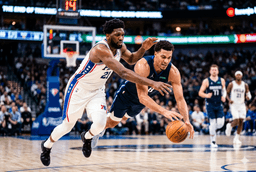
• The foul must be committed from behind or the side of the offensive player, preventing a legitimate scoring play.
The offensive player does not always need to have the ball when the foul happens. A clear path foul can also be called if a defender fouls an offensive player who is running ahead and about to get a pass, with no defenders between them and the basket. This rule stops defenses from fouling any player in front to stop a fast break.
Penalties and Impact on Play
After learning when clear path fouls are called, it’s important to know what happens next. The penalties are tough to stop defenders from ruining fast-break chances on purpose. If a foul is ruled a clear path foul, the team that was fouled gets big advantages:
1. Two Free Throws: The offensive team can choose any player on the court to shoot two free throws. This is different from regular fouls, where the player who was fouled usually has to shoot. Letting the team pick its best free-throw shooter makes the penalty harder for the defense.
2. Possession of the Ball: After the two free throws, no matter if they go in or not, the offensive team keeps the ball. Play starts again with an inbound pass from the sideline closest to where the foul happened. The inbound spot can’t be closer to the baseline than the free-throw line extended.
This combination of two free throws by any shooter and keeping the ball can turn a clear path foul into a four- or five-point play. In close games, this can make a big difference. Defenders have to be careful in transition, and the rule discourages 'take fouls' that slow down the game. For offenses, it helps keep fast breaks exciting.
Defining Transition Scoring
The NBA’s clear path foul rules only apply during 'transition scoring opportunities.' These happen right after a change of possession, like a defensive rebound, a turnover, or a blocked shot that stays in play. When the defense gets the ball and starts moving up the court, they are in transition.
Transition play ends when the offensive team sets up its offense. This happens when they stop the ball, start a play, or pass into the post. It also ends when the defense gets back and sets up a legal guarding position between the ball and the basket. If the defense is set and a foul happens, it can’t be called a clear path foul, even if it stops a fast break. The call depends on whether the path was open at the time of the foul.
Stay on top of every fast break and buzzer-beater with TigerScores, your home for live NBA and college hoops updates. From real-time box scores to season-long player stats, we provide the essential data every basketball fan needs to follow the game.


NBA Clear Path Foul Rules Explained
How World Cup Tie-Breakers Will Work in 2026
Elite Tactical Minds: PL POTM April Nominees Revealed
Shai Gilgeous-Alexander: Is He the Most Efficient Guard?
NBA Supermax Rules: Eligibility & Contract Structure
Decoding the FIFA Ranking Formula: How National Teams Earn Their Spot
Jude Bellingham Stats: Analyzing the Third Season Surge
Arsenal, Manchester City, and Liverpool Battle for PL Top 4 Race Dominance
Batang Kankaloo Dominate Royals by 72, Take Solo Lead
Chapman Leads Hotshots to Escape, Set Do-or-Die vs Bolts