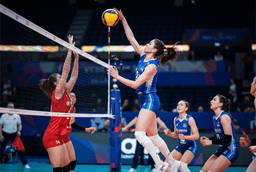
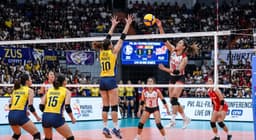
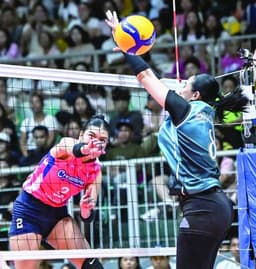
Mastering Volleyball Setting Techniques: Setter Distribution Strategy & Tempo Tactics
The Setter as Orchestrator: Effective offense coordination in volleyball relies on processing the passer's delivery and exploiting defensive block vulnerabilities in split seconds.
Tempo Variation: Combining first-tempo (quicks, back-ones), second-tempo (shoots, gaps), and third-tempo (high ball) sets breaks down organized middle blockers.
Distribution Control: A high-level setter distribution strategy prioritizes single-block matchups over predictable feed-the-star tendencies.
Technical Mechanics: Precise volleyball setting techniques—including uniform hand placement, square hips, and consistent release points—disguise set locations until contact.
2026 Rule Factors: Permissive double-contact rules on 2nd-contact sets allow setters to prioritize speed, power, and high-tempo distribution over micro-judgments on double-touches.
In modern volleyball, the setter is the undisputed playmaker—the offensive architect dictating the speed, direction, and rhythm of the attack. Success relies far less on raw hitting power and more on intelligent setter distribution strategy and precise timing. Elite setters manipulate opposing blockers not just with set location, but with tempo, turning average offenses into high-scoring, unstoppable systems.
This comprehensive guide explores the strategic decisions, tempo adjustments, and technical mechanics required to execute advanced volleyball setting techniques at the highest level.
The Setter’s Role in Offense Coordination in Volleyball
The setter is the tactical hub of any team. While defenders and liberos handle the first contact (the dig or pass), the setter processes every second contact through a rapid decision-making matrix. This responsibility extends far beyond delivering a high, hittable ball; it involves constantly reading the opposing block, analyzing hitter efficiency under pressure, and calculating real-time risk versus reward.
[ First Contact: Pass/Dig ] ➔ [ Second Contact: Setter Decision Matrix ] ➔ [ Third Contact: Attacker Execution ]
├── [ Read Block & Defense ]
└── [ Select Tempo & Zone ]
A primary objective for any elite setter is establishing offensive unpredictability. An offense that becomes overly reliant on one primary hitter or a single tempo allows the defense to adjust and double-block easily. Effective offense coordination in volleyball spreads the attack across the entire width of the net, forcing opposing middle blockers to stay balanced until the last possible moment.
This strategic balance is evident in top professional leagues around the globe, such as Italy's SuperLega and the Premier Volleyball League (PVL). Clubs that consistently top the standings demonstrate how varied set distribution and strict tempo management are non-negotiable prerequisites for sustained success.
Deciphering Volleyball Tempo Tactics & Timing Systems
Tempo refers to the speed of the set relative to the timing of the attacker's approach. It represents the exact synchronization between the setter's hand release and the hitter's footwork. Mastering varying set speeds through volleyball tempo tactics is the most effective way to disrupt opposing block systems.
NET TEMPO ZONES:
[ Zone 4: Out (3rd/2nd Tempo) ] ─── [ Zone 3: Quick / Pipe (1st Tempo) ] ─── [ Zone 2: Right / Back (1st/2nd Tempo) ]
1. First-Tempo Sets (Quick Attacks)
First-tempo sets are ultra-fast, low-trajectory balls delivered as the attacker is already jumping or preparing to strike. The ball hits the attacker's hands almost instantly after leaving the setter's fingers.
Examples: The middle "Quick" or "1", the "Back-One" (a fast quick set directly behind the setter), and the "Slide" (a one-footed take-off behind the setter).
Tactical Purpose: Freezes the opposing middle blocker, preventing them from drifting toward the antennae to assist on outside blocks.
2. Second-Tempo Sets (In-System Rhythm)
Second-tempo sets travel with moderate height and distance. The hitter initiates their approach footwork right as the setter makes contact with the ball.
Examples: The "Shoot" (fast set to the outside pin), the "Gap/31" (set between middle and outside), or the "Pipe" (back-row attack from Zone 6).
Tactical Purpose: Outpaces drifting wing blockers while giving pin hitters enough time to build momentum and adjust to minor off-target passes.
3. Third-Tempo Sets (High Ball Out-of-System)
Third-tempo sets are higher-arc deliveries directed to the antennae or back-row safety targets.
Examples: Standard high balls to Zone 4 (Outside) or Zone 2 (Opposite).
Tactical Purpose: Used primarily when first-contact passes are off-target ("out-of-system"). It grants hitters maximum time to evaluate the double-block and choose a smart roll shot, wipe, or hard angle.
Tempo Breakdown Reference
| Tempo Category | Set Examples | Hitter Approach Timing | Primary Tactical Objective |
|---|---|---|---|
| First-Tempo | 1, Quick, Back-One, Slide | Hitter in air/jumping as ball reaches setter | Neutralize opponent middle blocker |
| Second-Tempo | Shoot, Gap (31), Go, Pipe | Hitter starts 1st step as setter contacts ball | Beat wing blockers to the antenna |
| Third-Tempo | High Outside, High Back-Row | Hitter waits for ball peak before approach | Rescue out-of-system/imperfect passes |
Implementing Setter Distribution Strategy in Match Situations
A setter’s choice of tempo and location during a match depends heavily on pass precision, net position, and reading defensive setups in real time.
[ Pass Quality Assessment ]
├── [ Perfect Pass ] ➔ (Run 1st/2nd Tempo) ➔ [ Single/Split Block ]
└── [ Out-of-System ] ➔ (3rd Tempo High Ball) ➔ [ Structured Double Block ]
Operating In-System vs. Out-of-System
When a team delivers a target pass directly to Zone 2/3, the setter gains maximum tactical flexibility. They can run the entire playbook, including middle quicks and back-row pipes, keeping the opposing defense honest. Conversely, imperfect passes limit offensive options, forcing setters into out-of-system high balls where hitting efficiency naturally declines.
Strategic Variation & Hiding the Set
Even with a target pass, elite setters vary their play-calling pattern. They might execute early quick sets to establish middle presence, then transition to a rapid second-tempo "shoot" to the opposite hitter on the right side.
Top setters also utilize identical posture, body alignment, and hand positioning regardless of set destination—a technique known as hiding the set. By keeping the body neutral until the final microsecond of contact, opposing middle blockers are unable to read the play early.
Fundamental Volleyball Setting Techniques for Precision Delivery
Regardless of play-calling strategy, consistent technical execution remains mandatory. Every set must arrive in the hitter's strike zone with minimal spin and high accuracy.
Rules & Technical Note: Under modern FIVB guidance, referees interpret second-contact double-touches leniently on setting actions provided the ball remains on the setter's side of the net. This rule focus allows setters to prioritize speed, body control, and deception over micro-fears of clean contact whistles.
Key Coaching Tip: Keep your hips and shoulders squared to the left antenna (Zone 4) on every touch. This neutral posture allows you to set forward, backset, or jump-set quicks without giving away directional cues to defense block spotters.
Core Technical Pillars
Footwork & Neutral Platform: Rapid, precise footwork allows the setter to position their body directly underneath the ball. Arriving early creates a stable foundation, enabling clean jump-sets even during transition plays.
Hand Shape & Touch Points: Hands should form a natural pocket (a shape resembling the curvature of the ball) right above the forehead line. Contact should be made evenly using the soft pads of the fingers—never the palms—to ensure complete control and minimal spin.
Square Posture: Maintaining shoulders and hips square to the target line ensures high placement accuracy while masking backsets from opposing defenders.
Actionable Drills to Elevate Setting Execution
To implement these volleyball setting techniques and tactics into your training sessions, integrate these targeted drills:
1. Target Precision Ladder (Technique): Set 20 consecutive balls into a target net placed at the Zone 4 antenna, focusing on identical contact points above the forehead.
2. Read-and-React Block Drill (Tactics): Have a coach stand on a box across the net holding a blocking pad. The setter must read the coach’s movement at contact and set away from the block.
3. Transition Tempo Circuit (Distribution): Receive digs from various court zones and immediately call out tempos (1st vs 2nd) based on dig height and proximity to the net.
Final Thoughts: Mastering the Craft
Developing a world-class setter distribution strategy and mastering volleyball tempo tactics is an ongoing pursuit combining athletic technique with intense intellectual strategy. By mastering foundational setting mechanics, disguising play calls, and strategically varying attack speeds, setters step into their true role as game orchestrators—consistently turning ordinary passes into points on the scoreboard.
Track every spike and set with TigerScores, your go-to source for live volleyball scores and tournament updates. Visit our site to stay informed on the latest match results, team rankings, and player performances across the professional and collegiate circuits.


Mastering Volleyball Setting Techniques: Setter Distribution Strategy & Tempo Tactics
Erling Haaland Goals & European Campaign Preview: Manchester City Striker Targets Glory
Terrafirma Dyip Roster vs Macau Giant Pandas Match: PBA International Game & Basketball Showdown Analysis
NBA Roster Rules: Understanding Two-Way Contract Salary & G League Player Development (2026-27)
Inside Luka Dončić's Historic Usage Rate & Offensive Creation
Basketball Fundamentals: Master the Box Out Technique & Defensive Rebounding Drills
Lamine Yamal Stats & Development: How Barcelona Protects Its Premier Young Talent
The Evolution of Anthony Edwards: How His Playmaking Transforms the Minnesota Timberwolves Offense
UEFA Champions League Draw Analysis: League Phase Fixtures & Contenders
Decoding the Game: What is Net Rating in Basketball Analytics?