Understanding NBA Flagrant Foul Rules and Impact
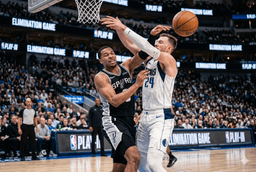
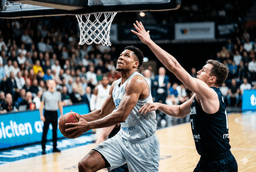
When referees pause the game to review a play, the whole arena gets tense. What happens next depends on how the NBA flagrant foul rules are applied. These rules help keep players safe and guide how serious a penalty should be for contact, so it’s important for players, coaches, and fans to know them.
There are two kinds of flagrant fouls in the NBA. Flagrant 1 is called for unnecessary contact, giving the other team two free throws and the ball. Flagrant 2 is for contact that is both unnecessary and excessive, and it leads to the player being ejected.
Referees usually make their decision after watching slow-motion replays. They consider how hard the contact was and whether the player was actually trying to play the ball.
Breaking Down "Unnecessary and Excessive"
The main difference between the two types is how severe the contact is. For a Flagrant 2, the replay has to show that the contact was not just unnecessary but also excessive, often involving a strong or dangerous move.
During a review, referees look at several important factors:
• Severity of Contact: How hard was the hit?
• Wind-up or Hard Follow-Through: Did the player swing or keep pushing after the first contact?
• Potential for Injury: Did the foul put the other player at serious risk, like in a "non-basketball play"?
• Location of Contact: Did the contact hit the head, neck, or groin?
• Legitimacy of Basketball Play: Was the defender really trying to go for the ball?
Referees depend heavily on slow-motion replays to make these calls. Replays help show what happened, but they often spark heated debates. If a player does something outside normal basketball, like throwing a punch or shoving someone in mid-air, it is always called a Flagrant 2, no matter how hard the contact was.
Immediate and Secondary Consequences
When a Flagrant 2 is called, the effects are immediate and final. The player is ejected on the spot, which can shift the momentum and leave a team without a key player. The other team gets two free throws and the ball, making the penalty as tough as possible for a dangerous play.
After a Flagrant 2, the league reviews the play and might hand out fines or suspensions. They consider what happened, the player’s history, and how serious the foul was. Players who keep making these fouls can face even harsher penalties in the future.
Protecting the Players
These rules are designed to keep players safe and prevent dangerous plays. People might disagree with some calls, but the main goal is to reduce roughness and protect the athletes.
TigerScores provides a comprehensive look at the sports world with live results, detailed player analytics, and the latest trending news. Browse our website to access a complete database of scores and stats designed to keep every fan fully informed and engaged.


Bossing Aim for Another Giant-Slaying Upset as Ginebra Looms
Risers Dominate Kuyas, Remain Tied at the Top
Pons Shines as Finals MVP, Leads Creamline to Championship
Vanie Gandler Named All-Filipino MVP
Cool Smashers Reclaim All-Filipino Crown
Eusebio Powers Warriors to Third Straight Win, Dominating Shoemasters
Eala and Sönmez Dominate Seeds in Madrid Doubles Opener
High Speed Hitters Deliver Strong Finish to Capture Bronze
Magnolia vs Converge: Assessing Recent PBA Form
Spurs vs Brighton: A High-Octane Tactical Preview