The Transition Take Foul: Why the NBA Changed the Rule
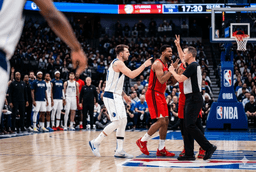
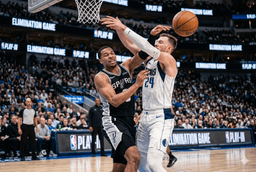
For years, NBA fans, players, and coaches were frustrated. Fast breaks that started with quick steals or rebounds often stopped before the offense even reached half-court. Defenders who were out of position would grab the ball handler to stop an easy layup or dunk, committing a foul that had little to do with real basketball .
This move, known as the "take foul," became a clever but frustrating strategy. Teams would trade a simple foul—often when they were far from the penalty—for what would have been an easy two points. For fans, this broke up the game’s rhythm and took away some of the NBA’s most exciting moments. The rules were being used to stop the action the league wanted to highlight. To fix this, the NBA’s Board of Governors changed the take-foul rules for the 2022-2023 season, hoping to bring back the excitement of fast breaks.
The new rule was meant to stop teams from using fouls to kill fast breaks. The NBA wanted more open-court action, so that good defense would lead to real scoring chances instead of just another inbound pass.
Inside the New Take Foul Penalties
Before the rule change, if a defender committed a take foul to stop a fast break without trying for the ball, it was just a regular foul. The offense would get the ball out of bounds and maybe a 14-second shot clock, but the chance for a fast break was gone.
Now, the penalty for a take foul is much tougher:
• One Free Throw: The team that was fouled gets one free throw. Any player on the court for the offense can take it, so coaches can pick their best free-throw shooter.
• Retained Possession: After the free throw, the offense keeps the ball and inbounds it from the closest sideline.
This new "one shot and the ball" rule changes how defenders think. Coaches and players can’t just trade a foul for two points anymore. Giving up a free throw—usually a 75-80% chance to score—and letting the other team keep the ball makes the take foul a much riskier move.
The "clear path to the basket" foul is still part of the rules. The new take foul penalty now covers more situations, usually earlier in the fast break, before a clear path forms but when the offense still has an advantage.
How the Rule Change Immediately Impacted the Game
The impact was immediate: the number of fouls dropped quickly. Players, knowing the penalty was tougher, stopped committing as many tactical fouls.
Now, defenders have to play real transition defense. They need to backpedal, try to draw a charge, or contest shots. This has brought back skill and excitement to open-court play.
Offenses are now playing faster and more aggressively. Since defenders are less likely to foul, there are more transition dunks, lobs, and three-pointers. Players go to the rim more often, knowing they probably won’t get grabbed.
The stats back this up: transition scoring and fast-break points have gone up since the rule change. Teams that play fast and rely on quick breaks have benefited the most, after being slowed down by take fouls in the past.
The New Math of Transition Defense
This rule change is more than a small adjustment. It brings back balance between transition offense and defense. The NBA fixed rules that used to reward stopping the action instead of encouraging exciting plays.
By making the penalty tougher, the league changed what teams focus on. Now, players and coaches have to get back on defense and play by the rules, instead of using a foul to cover up a bad defensive play. The old strategy of stopping fast breaks with a foul is gone, replaced by the fast pace and creativity that make the NBA special. The choice is simple again: play real defense or give up an easy basket.
TigerScores provides a comprehensive look at the sports world with live results, detailed player analytics, and the latest trending news. Browse our website to access a complete database of scores and stats designed to keep every fan fully informed and engaged.

Risers Dominate Kuyas, Remain Tied at the Top
Pons Shines as Finals MVP, Leads Creamline to Championship
Vanie Gandler Named All-Filipino MVP
Cool Smashers Reclaim All-Filipino Crown
Eusebio Powers Warriors to Third Straight Win, Dominating Shoemasters
Eala and Sönmez Dominate Seeds in Madrid Doubles Opener
High Speed Hitters Deliver Strong Finish to Capture Bronze
Magnolia vs Converge: Assessing Recent PBA Form
Spurs vs Brighton: A High-Octane Tactical Preview
Premier League Title Showdown: Man City vs Arsenal