UCL Semi-Final Tactics: Key Strategic Matchups
The Champions League semi-finals are almost here, and excitement is building. Each team has battled to get this far, and now tactics will decide who moves on. Managers are studying their opponents closely, looking for any edge. These games will come down to key individual battles.
Controlling the Midfield Engine
Winning the midfield is always crucial in top-level football. In the first semi-final, the teams have very different approaches: one relies on a deep-lying playmaker to control the game with smart passing, while the other uses an energetic midfield to press hard and win the ball high up the field.
This matchup is all about control versus chaos. If the playmaker finds space, they can break down the defense. But if the pressing team closes them down, they can launch quick counterattacks. How each team transitions from defense to attack will depend on who wins the midfield. Both managers will need to adapt quickly during the game.
Exploiting Defensive Vulnerabilities
The second semi-final shows a clear tactical difference. One team has a lively, creative attack that uses movement, dribbling, and finishing to stretch the defense and create space. The other team is known for its tight, organized defense, working to shut down attacks by staying compact and limiting space.
The defending team stands out for its disciplined, compact low block that closes off space behind the back line. The big question is whether the attacking side can break through this solid setup. Will a moment of individual skill beat the team’s collective effort? The outcome may come down to the attackers’ creativity against the defenders’ discipline, with one mistake or brilliant play possibly deciding the match.
The Importance of Full-Backs and Width
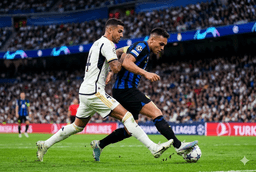
Full-backs play a huge role in both matches. In today’s game, teams often depend on them for width and extra attacking options. In the first semi-final, one team’s full-backs push high up the field, almost like wingers. This helps their attack but also leaves space behind for counter-attacks.
The other team could take advantage of this space by using quick, wide players to start fast attacks. The battle on the wings will be a key tactical factor. Can the attacking full-backs get forward without leaving their defense exposed? The defending team also has to choose between pushing players forward to use the space or staying compact at the back.
The second semi-final features a different kind of wide battle. Both teams have wingers who like to cut inside onto their stronger foot. The matchups between these wingers and the full-backs will be exciting to watch. Can the full-backs win their one-on-one duels, or will the wingers keep creating chances? Good positioning and timing from the full-backs will be key.
Tactical Adaptability: The X-Factor
In the end, the team that adapts fastest often comes out on top. Both semi-finals bring their own tactical tests, so managers must be ready to adjust during the match. Spotting patterns and reacting quickly will be crucial.
Changing players, switching formations, or adjusting pressing tactics could all make the difference. The Champions League semi-finals are as much about the managers’ decisions as the players’ efforts. Every choice, substitution, and tactical change will be closely watched.
Deciding the Finalists
The semi-finals will be decided by tactical battles in midfield, the impact of full-backs, and each team’s ability to adapt. The managers’ choices will shape the results, and only those who show tactical skill and resilience will make it to the final.
TigerScores is your ultimate multi-sport hub, delivering the latest scores, in-depth stats, and breaking news from the world of professional sports. Whether you're tracking league standings or looking for real-time game updates, our platform ensures you stay ahead of every play.


PVL Attendance Records: Volleyball’s Rise in the Philippines
Greatest Premier League Comebacks of the 2020s
The High-Risk Rewards of the Sweeper Keeper
NBA Block/Charge Rules: The Secondary Defender Guide
NBA Bird Rights and Cap Exceptions Explained
UCL Semi-Final Tactics: Key Strategic Matchups
Pampanga Stats: Evaluating the Reigning MPBL Champs
Haaland vs Mbappe Stats: The 2026 Golden Shoe Race
How the PBA 4-Point Rule Reshaped the Scoring Meta
Magnolia, Converge Seek Clarity in Key PBA Matchup