Bundesliga Tactics: The Decline of the Classic Number 10
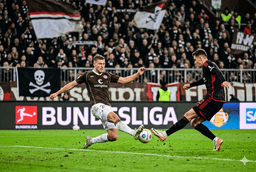
For many years, Bundesliga teams relied on one key player: the “Classic Number 10.” Creative talents like Andreas Möller at Dortmund or Diego at Werder Bremen led their teams from the Zehner-Raum, the space between the opponent’s midfield and defense. Their main job was to break through defensive lines with sharp final passes.
Today, Bundesliga tactics are different. The smart, skillful midfielder who focused only on attack is now rare. German football still values movement and quick passing, but modern pressing and strong defense have changed what is expected from playmakers.
Modern football now focuses on players switching positions and working together. Constant pressing and quick transitions are key. A player who only offers technical skills can be a weakness. Today’s playmaker needs to defend, start pressing, and help build attacks, often from deeper or wider areas.
The Physical Demand: Pressing and Transition
The physical side of German football is a big reason for these changes. Bundesliga teams focus on playing fast and moving forward quickly. Many use advanced pressing tactics, which require players to be extremely fit.
A classic No. 10 often did not have the stamina or discipline to defend intensely. Now, coaches expect every player to help in both attack and defense. If a midfielder cannot win the ball back or defend quickly, opponents can take advantage. Creative specialists are being replaced by versatile midfielders who can pass well, defend strongly, and have the physical skills needed for today’s game.
The Death of Space: Clogging the Final Third
Tactical systems now close down space very effectively. Defenses are more organized and tighter than before. The Zehner-Raum, which used to belong to the No. 10, is now crowded with central midfielders, a holding midfielder, and sometimes even deeper defenders.
Because of this crowding, the old-style playmaker is easy to stop. There is no time or space to get the ball, turn, and look for options. Now, teams create chances using planned moves with several players. Instead of relying on one creative player, the responsibility is shared across the team.
Redefining the Role: The “New-Age Playmaker”
The specialized playmaker still exists, but the role has changed. Today’s creative player might be a “False 9,” an inverted winger, or even a creative fullback like Joshua Kimmich in his mixed position.
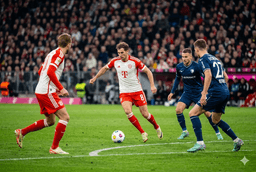
Players such as Jamal Musiala (Bayern Munich) and Florian Wirtz (Bayer Leverkusen) represent the new No. 10s. They are creative and talented, but also fast and press hard. They often start on the wing or move between different areas, rarely staying in the center. They work well as part of a team system instead of being the only focus.
The Strategic Shift in German Football
This change shows a bigger strategy change for German clubs. Now, teams focus on winning transitions and forcing mistakes with group pressure, instead of waiting for one player’s magic. Some people miss the pure "10" role, but today’s football is quicker, more exciting, and very athletic. The classic playmaker is now a fond memory from another time.
TigerScores is your ultimate multi-sport hub, delivering the latest scores, in-depth stats, and breaking news from the world of professional sports. Whether you're tracking league standings or looking for real-time game updates, our platform ensures you stay ahead of every play.

Point Guard Performance Analysis: How Playmaker Efficiency Metrics Define Elite Ball-Handlers
Volleyball Back-Row Attack Guide: Mastering Modern Offensive Strategy
Unpacking the Numbers: How Victor Wembanyama's Defense Is Rewriting NBA History
FIFA World Cup Extra Time: Golden Goals, Sudden Death Rules, and Historic Match Winners
PBA Conference Openers: The Longest Winning Streaks in PBA History
Soccer Groin Injury Prevention: The Science-Backed Guide
Spain National Football Team: Recapping the Historic 2026 World Cup Triumph
How to Dig a Volleyball: 3 Essential Defensive Volleyball Drills
Anatomy of a Rivalry: Rain or Shine Elasto Painters vs. Magnolia Hotshots
Unforgettable PVL Finals Moments: A Definitive History of Premier Volleyball League Champions