Understanding the NBA Secondary Defender Rule (Block/Charge)
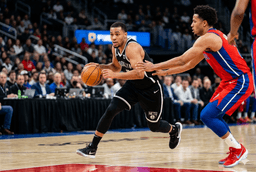
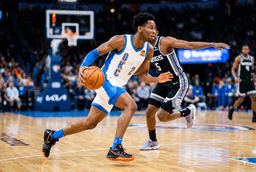
For referees, deciding between a block or a charge is one of the toughest calls. In today’s fast-paced game, these decisions happen near the rim all the time. To get the NBA block/charge call right, officials first need to know if the defender is a "primary" or "secondary" defender. This difference is key for figuring out legal guarding position and how the restricted area rule applies.
A "secondary defender" is a player who is not guarding the ball handler when that player starts to go up for a shot. This defender usually comes over from the weak side to help a teammate who got beat. If the secondary defender rotates late, they have to follow certain positioning rules or they’ll get called for a blocking foul, even if they look like they’re in the right spot.
Fans, commentators, and new players should understand these rules. It’s not just about whether the defender’s feet are set. Where they are in relation to the low-block hash marks and the "Restricted Area" arc matters too.
Identifying Primary vs. Secondary Defenders
Understanding the rule requires first defining the primary defender. The primary defender is:
• The player who is closest to the offensive player when they receive the ball.
• The player who is already guarding the offensive player when they start their drive to the basket.
Importantly, the primary defender stays the primary defender for the whole play, even if they get beaten. They don’t become a secondary defender during that sequence.The secondary defender is the help defender, like a center coming up from the baseline or a guard dropping in from the outside. Their responsibilities change a lot depending on where they meet the offensive player and if the Restricted Area is involved.
The Impact of the Restricted Area
The Restricted Area is the 4-foot arc under the basket and is key to these calls. This area is designed to prevent defenders from standing under the rim to take a charge when a player is already in the air.
The RA rules apply exclusively to the secondary defender.
A secondary defender can’t legally take a charge if their feet are inside or touching the restricted area when contact happens. If that’s the case and the offensive player is going up for a shot, it’s a blocking foul.
There are only two major exceptions where a secondary defender in the RA can legally draw a charge:
• Lower Defensive Box (LDB): If the play starts in the Lower Defensive Box—between the 3- and 7-foot marks and outside the lane lines—RA rules do not apply. Here, a secondary defender can draw a charge anywhere, even in the RA.
• Verticality: If the secondary defender in the RA jumps straight up, arms up, and torso aligned, they legally challenge the shot—even inside the RA. This is a block attempt, not a charge.
Other than these exceptions, if a help defender is late or has a foot on the arc, it’s always a blocking foul. This rule helps keep offensive players safe and encourages defenders to contest shots instead of just standing still to draw charges.
Establishing Positioning: The Timing Question
If contact happens outside the restricted area, the secondary defender needs to have both feet on the floor and face the offensive player before the shooter starts going up. That’s what counts as legal position.
Officials have to watch the defender’s feet and the restricted area, and also decide when the shooter starts to gather the ball. If the defender is even a little late, it’s a blocking foul.
It doesn’t matter if the defender’s feet are set and their hands are still if they’re late. The defender has to be in position early enough for the offensive player to react and avoid contact. If the timing is really close, officials usually give the benefit to the offense and reward aggressive drives.
Reviewing These Critical Calls
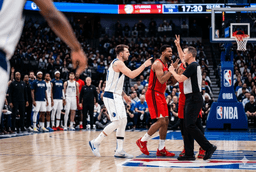
The difference between a block and a charge can be subtle, but the outcome matters a lot. These calls are often reviewed, especially in the last two minutes or in overtime.
Referees use replay to check multiple criteria. They will verify:
• Location: Was the secondary defender’s foot on or inside the restricted area line?
• Timing: Did the defender establish a legal position before the offensive player committed to their upward shooting motion?
• The LDB Exception: Did the offensive drive begin inside or outside the Lower Defensive Box?
Replay reviews can slow down the last minutes of a game, but they’re important. If a secondary defender rotates late, officials have to follow the rules to keep things fair. By figuring out if a defender is primary or secondary and applying the right restricted area rules, NBA referees try to make fair calls on every drive to the basket.
Stay on top of every fast break and buzzer-beater with TigerScores, your home for live NBA and college hoops updates. From real-time box scores to season-long player stats, we provide the essential data every basketball fan needs to follow the game.


Wilson's 33 Points Propel Steel Past Greats in 80-75 Victory
PVL Attendance Stats: Fans Pack Arenas, Set Records
How NBA Contract Rules Define Roster Strategy
Mallorca vs Valencia: Battle for the Mid-Table
UCL 2026 Final Venue: Early Preparation Details
Understanding How Clubs Identify Local Talent: A Football Scouting Guide
The Relentless Precision Behind Mbappe’s Fitness Stats
Understanding the NBA Secondary Defender Rule (Block/Charge)
MPBL Power Rankings: Biñan, San Juan Duel for Top Spot
Balancing the Books: Understanding UEFA's FFP 2.0 Rules