

Tamaraws Rally from Six Down to Stun Risers, Finish 8–0 Run
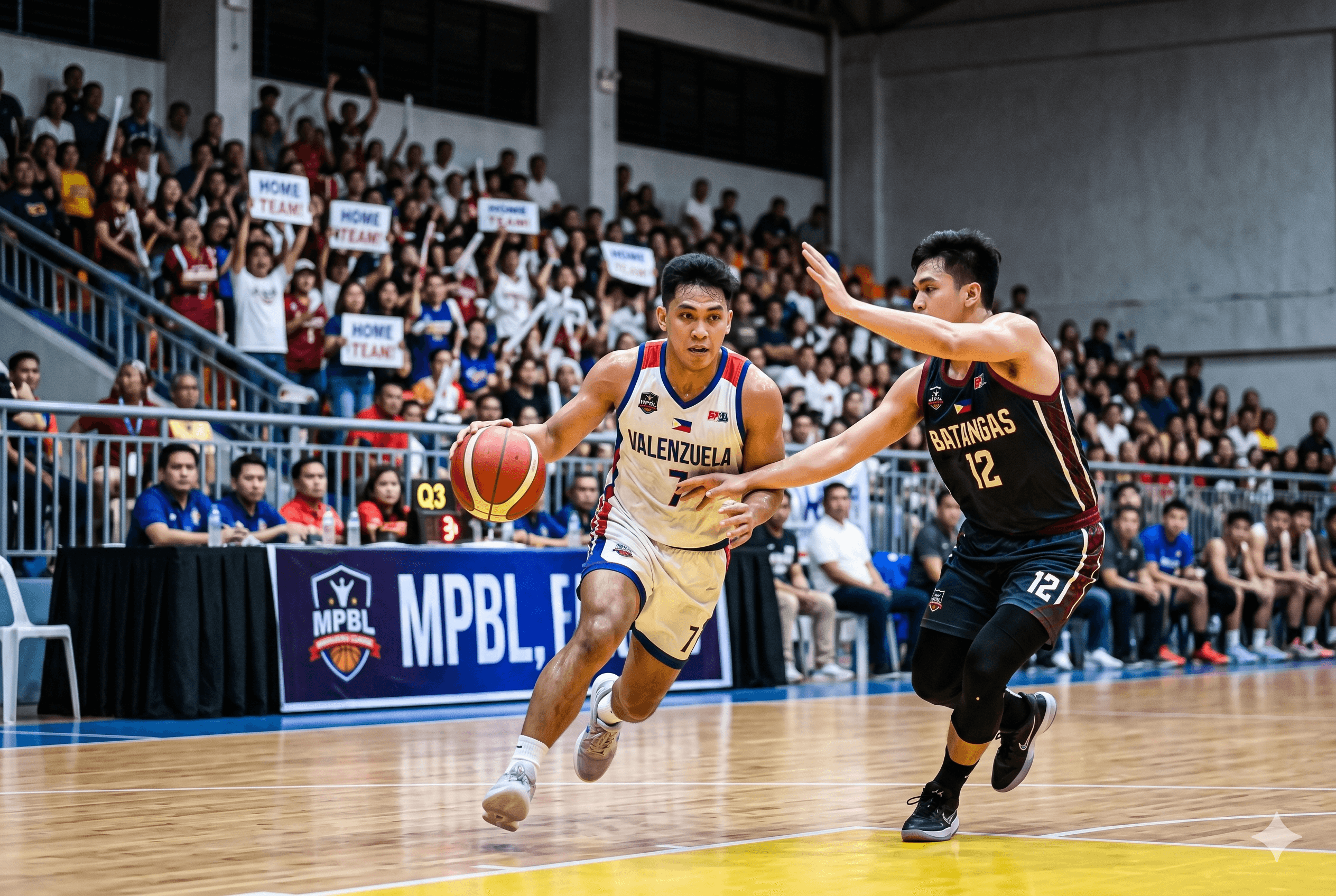
The Mindoro Tamaraws completed a thrilling comeback, edging the Bataan Risers 83–81 on Thursday in the 2026 Maharlika Pilipinas Basketball League (MPBL) season at the Batangas City Coliseum.
Trailing 75–81 with just 1:35 remaining, Mindoro went on an 8–0 run to even their record at 4–4 in the round-robin elimination phase of the two-division, 28-team tournament.
JC Recto stabilized the Tamaraws with three of four free throws, while Bambam Gamalinda sank a crucial three-pointer to cap the rally initiated by Joseph Sedurifa’s putback off his own miss, cutting the deficit to 77–81.
Bataan’s Chris Javier then committed an unsportsmanlike foul on Recto with 49 seconds left during a clear path to the basket. Recto split his free throws to bring Mindoro within 79–81 while keeping possession. On the next possession, Gamalinda nailed the go-ahead triple, giving the Tamaraws an 82–81 lead.
After a missed jumper by Bataan’s Cani, Javier fouled Recto again. Recto missed the first free throw but converted the second to finalize the score at 83–81. Bataan had late opportunities to reclaim the lead, but Yves Sazon’s three-pointer rimmed out and Jamil Gabawan could not convert the follow-up, sealing the Risers’ fifth consecutive loss and dropping them to 3–5.
Recto, the 6-foot-4 former Mapua Cardinal from Pinamalayan, Oriental Mindoro, finished with 23 points, 11 rebounds, and six assists, earning Best Player honors. Gamalinda added 22 points, nine rebounds, and two blocks. Mark Montuano, RJ Ramirez, and Sedurifa contributed seven points each, helping Mindoro overcome a 14–28 early second-quarter deficit.
Bataan leaned on 22 points from Sazon, 14 points with six rebounds and three assists from Tutoy Ramirez, and 10 points from Chito Jaime. Mindoro had also erased a 38–50 deficit early in the third quarter, sparked by Recto’s seven points during a 12–0 run that gave the Tamaraws a 53–52 lead with 5:25 left in the period.
The MPBL action continues Friday at the Alonte Sports Complex, featuring San Juan vs. Iloilo at 4 p.m., Pasig vs. Sarangani at 6 p.m., and host Biñan against Imus at 8 p.m.

8 hours ago
140
The MPBL Blueprint: Roster Rules and Regional Tournament Structure
The Maharlika Pilipinas Basketball League is unique because it focuses on local players and developing talent from the ground up. With its home-and-away format, the league builds strong community connections and brings new excitement to regional basketball. This strategy shapes both the games and the league’s identity.
Knowing how the MPBL tournament works helps explain how the league balances strong competition with support for local players. The league has clear rules to help local athletes and keep things fair. This way, the MPBL offers a new approach compared to traditional sports leagues in the country.
Local Roots: The Homegrown Mandate
The key part of the MPBL’s plan is its focus on 'homegrown' players. This rule is at the heart of the league’s community-first approach. Teams must have a set number of players from their own province or city. This prevents teams from winning by just hiring outside players and makes sure each team truly represents its area.
This rule does more than build local pride. It helps discover and develop talented players who might not get noticed otherwise. Local athletes get to play professionally in front of their families and neighbors, which can inspire the next generation. It also helps basketball grow in places outside the big cities.
The homegrown rule is the base, but the MPBL also wants strong competition. Teams are allowed a few 'ex-professional' players who have played in other major leagues. These experienced athletes bring skill, leadership, and help younger players improve. Their presence makes the games better overall.
The MPBL also limits the number of Filipino-American or Filipino-foreign players on each team, usually to just one. These players must meet certain requirements, like height limits in some seasons. These rules prevent teams from relying too much on foreign-trained talent, keeping the competition tough and the focus on developing local players.
The Regional Grind: Season and Playoff Format
The MPBL’s setup keeps fans involved all season. Teams are usually divided into North and South Divisions. Each team plays a long regular season with home and away games against teams in their division and some from the other division. This way, every region gets to host important games and stay connected to the league.
After the regular season, the best teams from each division move on to the playoffs. The playoffs are split by region and end with the North and South Divisional Finals, which are usually best-of-three series. The winners then face off in a national best-of-five finals to decide the MPBL champion. This format brings out regional rivalries and ends with a real national title game.
The Power of a Community-First Model
The MPBL’s approach combines clear roster rules with a community-focused competition style. This has shown that many people enjoy regional sports. By highlighting local identity and not relying on big stars, the league builds real connections between teams and fans. This model discovers new talent and boosts local pride, proving a league can be exciting and important to its communities.
Stay on top of every fast break and buzzer-beater with TigerScores, your home for live NBA and college hoops updates. From real-time box scores to season-long player stats, we provide the essential data every basketball fan needs to follow the game.
a day ago
234
Warriors and Steel Shine with Key Victories
The Gensan Warriors ignited in the third quarter to overpower the Negros Hacienderos, 102-74, on Wednesday at the Ynares Center in Montalban, Rizal, claiming a share of the top spot in the Maharlika Pilipinas Basketball League (MPBL) 2026 Season.
Trailing by only five points at halftime, the Warriors pulled away behind Nelo Santos, Adi Santos, and Hesed Gabo, surging to a 74-51 lead after a dominant third quarter. This performance secured their eighth consecutive win in the round-robin elimination of the 28-team, two-division tournament.
The victory put Gensan alongside Caloocan Batang Kankaloo at the summit of the standings while widening their lead over Quezon Province (5-0) in the playoff race.
6-foot-1 Nelo Santos, a standout from the University of Makati, scored 9 of his 12 points in the pivotal third quarter. Adi Santos and Gabo each added 14 points, with six coming in the decisive stretch as the Warriors outscored Negros 34-16. Gabo also contributed 9 assists, 3 rebounds, and 2 steals, earning Player of the Game honors over Adi Santos (14 points, 5 rebounds) and Nelo Santos (12 points, 7 rebounds, 2 assists).
Additional contributions came from Val Acuna and JM Versoza with 11 points and 5 rebounds each, Marwin Dionisio with 9 points, 10 rebounds, and 4 assists, and Joshua Fontanilla with 9 points, 7 assists, and 5 rebounds.
Negros fell to 0-6 despite Michael Alvarez’s 18 points, 6 rebounds, and 2 assists. Brandney Bienes added 13 points and 3 rebounds, while DJ Howe recorded 9 points, 12 rebounds, and 5 assists.
In the nightcap, the Basilan Steel relied on John Wilson and Byron Villarias to narrowly defeat Rizal Xentromall, 76-73, climbing back into the upper half of the standings with a 5-4 record.
Wilson scored seven of his 15 points in the fourth quarter, including a clutch three-pointer that broke a 69-all tie. Rizal nearly forced overtime, but Joel Lee Yu’s travel with 1.6 seconds left sealed the Golden Coolers’ 3-4 record.
Wilson finished with 15 points, 7 rebounds, and 2 steals, while Villarias added 13 points, 5 rebounds, and 2 steals. Gab Cometa contributed 10 points, 6 rebounds, and 4 assists. For Rizal, Jolo Mendoza had 15 points and 5 assists, Yu recorded 13 points and 2 steals, Alwyn Alday posted 12 points, 2 rebounds, and 2 steals, and Billy Robles tallied 10 points, 6 rebounds, and 6 assists.

a day ago
211
Pasay Voyagers Cruise Past Batang Quiapo for Fifth Consecutive Win
The Pasay Voyagers showcased their depth in a commanding 126-82 victory over Manila Batang Quiapo on Wednesday at the Ynares Center in Montalban, Rizal, during the Maharlika Pilipinas Basketball League (MPBL) 2026 Season.
All 15 Voyagers players saw action and contributed to the scoreboard, propelling Pasay to their fifth straight win and improving their record to 6-2 in the round-robin phase of the 28-team, two-division tournament.
Christian Fajarito led the charge with 16 points, three rebounds, and two assists, earning Best Player of the Game honors over Cyril Gonzales, who tallied 17 points and two rebounds. Other standout performers included Steve Nash Enriquez with 15 points and five rebounds, Gyle Montano adding 14 points and six boards, and homegrown Nico Quinal contributing 11 points, three rebounds, and three steals.
The Voyagers dominated the glass, 45-36, and translated their advantage into 74 points in the paint compared to Manila’s 50. Pasay also excelled from beyond the arc, hitting 12 three-pointers—led by Enriquez’s three-of-four shooting—while Manila managed only two. The loss extended Batang Quiapo’s skid to five games, leaving them at 1-7.
Pasay set the tone early, opening a 68-35 halftime lead behind Gonzales’ 13 first-half points, and never relinquished control. Fajarito delivered a highlight-reel moment with back-to-back one-handed dunks, pushing the Voyagers ahead 85-39 with just over seven minutes left in the third quarter.
Despite the defeat, Manila had solid performances from Alfred Sedillo, who posted 23 points, 10 rebounds, two assists, and two steals; John Ashley Faa with 16 points, five rebounds, and four steals; Jan Baltazar with 14 points and 11 rebounds; Mark Doligon contributing 14 points, four assists, and three rebounds; and homegrown Redgimir Eusebio with 13 points, two rebounds, and two assists.
The MPBL action continues Thursday at the Batangas City Coliseum with Bataan facing Mindoro at 4 p.m., Bacolod vs. Parañaque at 6 p.m., and Batangas taking on Marikina at 8 p.m.

a day ago
101
Batang Kankaloo Dominate Darkhorse to Claim Solo MPBL Lead
The Caloocan Batang Kankaloo cruised past the Valenzuela City Darkhorse, 97-58, Tuesday night at the Caloocan Sports Complex, seizing sole possession of the top spot in the Maharlika Pilipinas Basketball League (MPBL) 2026 season.
Leveraging their height and physicality, Caloocan controlled the glass, 53-38, which fueled a 46-24 advantage in points in the paint and a staggering 27-6 edge in second-chance points. The victory marked the Batang Kankaloo’s eighth consecutive win in the round-robin elimination of the 28-team, two-division tournament.
Caloocan’s defense was equally dominant, forcing 18 turnovers that led to a 26-8 fastbreak points advantage. The team pulled away decisively, stretching the lead to 90-48 with 5:33 remaining in the game.
Kymani Ladi led the effort with 13 points, nine rebounds, and three assists, narrowly edging Jeff Manday, who finished with 15 points, four rebounds, three assists, and two steals, for best player honors. Rommel Calahat added 11 points and four boards, Jammer Jamito contributed 10 points and six rebounds, while Antonio Bonsubre recorded four points, 10 rebounds, and two blocks. The win moved Caloocan ahead of the Gensan Warriors (7-0) and extended their lead over the Quezon Huskers (5-0).
Valenzuela fell to 4-4, with Jay Collado providing the lone bright spot with 13 points and six rebounds.
Elsewhere, the Quezon City Black Bulls surged to a 61-34 lead early and never looked back, cruising to their fifth win in eight games and tying the Ilagan Isabela Cowboys, who had suffered back-to-back losses. Ryan Costelo paced Quezon City with 17 points, eight assists, and four rebounds, while Clark Derige added 15 points and nine boards. Brian Rosalin chipped in 14 points and eight rebounds, with ML Joson contributing 13 points, five rebounds, and three assists.
For Ilagan Isabela, JP Cauilan led with 17 points and four rebounds. Arth Dela Cruz finished with 13 points, nine rebounds, and eight assists, Joseph Gabayni also added 13 points and five rebounds, while Jayboy Solis and Kyle Paranada scored 10 points each.
The MPBL resumes Wednesday at the Ynares Center in Montalban with Manila vs. Pasay at 4 p.m., Gensan vs. Negros at 6 p.m., and host Rizal vs. Basilan at 8 p.m.

2 days ago
131
Cebu Greats Extend Winning Streak with Convincing Win over SiKat
The Cebu Greats relied on a single dominant scoring run to pull away from Zamboanga SiKat, securing a 96-77 victory on Tuesday and continuing their impressive start to the Maharlika Pilipinas Basketball League (MPBL) 2026 Season at the Caloocan Sports Complex.
Zamboanga kept the game close early, even leading 27-24, before Cebu veteran Dondon Hontiveros caught fire from beyond the arc, sinking two three-pointers to spark a 14-point run. That burst gave the Greats control at 38-27 with 3:06 remaining in the second quarter.
Amid Hontiveros’ timely shots, Ron Dennison drove aggressively to the basket while Jonathan Ralf Gesalem added consecutive three-pointers, helping Cebu secure its fourth consecutive win and improve to a 6-2 record in the round-robin elimination of the 28-team, two-division tournament.
Mark Meneses led Cebu with 19 points, including a highlight-reel one-handed dunk, along with 11 rebounds and two steals. Wowie Escosio contributed 15 points and five boards, Paul Desiderio added 13 points and two rebounds, and Simon Camacho recorded 10 points, six rebounds, three blocks, and two assists.
Brian Heruela earned Player of the Game honors, finishing with four points, 15 assists, seven rebounds, and two steals.
Hontiveros, 48, tallied seven points, three rebounds, and three assists, while his 23-year-old son Ice added seven points and two rebounds.
Zamboanga dropped its fourth straight game, now 1-6, despite Paeng Are’s 21 points, nine rebounds, and four assists.
The tournament continues Wednesday at Ynares Center Montalban, featuring Manila vs. Pasay at 4 p.m., Gensan vs. Negros at 6 p.m., and host Rizal Xentromall taking on Basilan at 8 p.m.

2 days ago
116
Abra Weavers Dominate Marlins, Share North Division Lead with Knights
Defending champion Abra Weavers stormed past the Sarangani 10ACT Marlins with a commanding 105-79 victory in the 2026 Maharlika Pilipinas Basketball League (MPBL) Season on Monday at the San Andres Sports Complex in Manila.
The win improved Abra’s record to 5-1, putting them in a tie with San Juan atop the North Division, trailing only league leaders Caloocan (7-0).
Led by 6-foot-8 standout Drex Delos Reyes, the Weavers maintained control from start to finish, building a lead as wide as 89-58 before cruising to victory. Delos Reyes finished with 18 points, nine rebounds, and three blocks. John Uduba contributed a double-double with 11 points, 12 rebounds, three assists, and two steals, while homegrown talent Will Keane Lee matched Uduba’s stat line.
Encho Serrano added 10 points, five rebounds, and three assists, and Shaun Ildefonso chipped in 10 points and two assists. Jake Figueroa contributed eight points and six rebounds, helping the Weavers prevail despite missing stars Dave Ildefonso, DJ Fenner, Tucker Molina, and Raven Gonzales.
Sarangani fell to 1-7, with Carl Bryan Lacap scoring 20 points and grabbing seven rebounds in a losing effort.
In the nightcap, Pasig secured an 82-69 win over Imus, improving to 4-1. Jacob Galicia celebrated his 31st birthday in style, scoring 21 points and grabbing seven rebounds to earn Best Player honors. He was supported by Keith Pido (14 points, seven rebounds, seven assists), Jerome Garcia (12 points), and Warlo Batac (seven points, 12 rebounds).
Imus dropped to 2-6 despite strong showings from Ralph Robin (19 points, two rebounds, two assists), Jordan Rios (13 points, 19 rebounds, two assists), and Eroll Soriano (11 points, 12 rebounds, two assists).
The MPBL action continues on Tuesday at the Caloocan Sports Complex, with Zamboanga facing Cebu at 4 p.m., Ilagan Isabela taking on Quezon City at 6 p.m., and Caloocan clashing with Valenzuela at 8 p.m.

3 days ago
145
Huskers Roll Past Royals, Extend Winning Streak to Five
The Quezon Huskers dominated from tip-off, overwhelming the Iloilo United Royals, 87-50, on Monday to stretch their winning streak in the Maharlika Pilipinas Basketball League (MPBL) 2026 Season at the San Andres Sports Complex.
Cedrick Manzano and John Abate powered a decisive 17-point run that put the Huskers ahead, 67-39, en route to their fifth consecutive victory during the round-robin elimination phase of the 28-team, two-division tournament.
As back-to-back South Division champions, the Huskers are vying for top playoff positioning behind unbeaten Caloocan Batang Kankaloo and Gensan Warriors, both holding perfect 7-0 records.
Chris Lalata earned Best Player honors, posting 11 points, 14 rebounds, and two assists. Manzano contributed 12 points and six rebounds, while Judel Fuentes added 11 points, three boards, and two assists. Gab Banal and Dom Vera chipped in eight points apiece.
For the Royals, Kyt Jimenez was a standout, finishing with 16 points, six rebounds, six assists, and three steals, keeping Iloilo somewhat competitive.
The Huskers led 46-30 at halftime despite being outscored in the second quarter, 22-17.
The MPBL action continues at the Caloocan Sports Complex on Tuesday with Zamboanga facing Cebu at 4 p.m., Ilagan Isabela versus Quezon City at 6 p.m., and Caloocan taking on Valenzuela at 8 p.m.

3 days ago
151
Sparks End Angels’ Unbeaten Streak
Akari-Rizal capped the first round with a statement win, handing Biñan-Tatak Gel its first defeat of the season, 86-80, in the 2026 Women’s Maharlika Pilipinas Basketball League (WMPBL) regular season on Sunday at the Alonte Sports Gymnasium.
The victory moved the Sparks into a three-way tie at the top of the standings with the Angels and Batangas–New Zealand Bluefire Valkyries, all holding 4-1 records.
Akari-Rizal created a decisive gap with a 7-0 run led by Jhenn Angeles, Allana Lim, and Mar Prado, turning a tight 69-66 lead into 76-66 with just under six minutes remaining. From there, the Sparks tightened their defense and stifled every Biñan-Tatak Gel rally to secure back-to-back wins.
“Well, I think we weren’t executing well at the start, which frustrated me. The things we were supposed to run, we didn’t,” said Sparks head coach Derrick Pumaren. “But from the third quarter onward, we ran our offense efficiently, defended effectively, and changed up our schemes, and I think that made the difference.”
Raiza Palmera-Dy delivered her best showing of the tournament with 22 points on 8-of-13 shooting, alongside nine assists and seven rebounds. Mar Prado added 17 points, six rebounds, five assists, and two steals off the bench. Allana Lim contributed 14 points and six boards, while Jhenn Angeles finished with 12 points and five rebounds.
For Biñan-Tatak Gel, Monique Del Carmen led all scorers with 24 points and six rebounds, while Chack Cabinbin recorded a 20-point, 10-assist double-double with four boards. Eka Soriano added 16 points, seven assists, and four rebounds, but the Angels struggled to get consistent contributions from the rest of the roster, ultimately leaving them short-handed in critical moments.

4 days ago
164
Valkyries Ignite Late to Claim Solo Second Spot
Batangas-New Zealand Bluefire flexed its dominance over Pasig, 93-65, to close the first round of the 2026 Women’s Maharlika Pilipinas Basketball League (WMPBL) regular season in sole possession of second place on Sunday at the Alonte Sports Arena.
Since a narrow 79-83 overtime defeat to league leaders Biñan-Tatak Gel on April 15, the defending champions have bounced back with three consecutive wins, finishing the opening round with a 4-1 record.
“We knew the Queenpin would come out strong, so we made sure to prepare accordingly,” said Valkyries head coach Cholo Villanueva. “They’re coming off a loss, but we anticipated a tough fight, and we were ready for today.”
Jil Talas caught fire in the second half, sinking five three-pointers to finish with a game-high 22 points and seven rebounds off the bench.
With a nine-point lead at 65-56 in the fourth quarter, the Valkyries unleashed an 18-2 run, highlighted by three of Talas’ clutch triples, extending the margin to 83-58 with five minutes remaining—a surge Pasig could not recover from.
Reigning MVP Afril Bernardino contributed a monster stat line with 20 points, 10 rebounds, five blocks, three assists, and three steals in just under 26 minutes. Snow Peñaranda added 12 points, nine rebounds, and four assists, while Camille Claro chipped in 10 points, five assists, and four boards to help secure Batangas-New Zealand Bluefire’s fourth victory of the tournament backed by Aktive.
Pasig, meanwhile, continued its slide with its third consecutive defeat, dropping to 1-4 and tied with Caloocan at the bottom of the standings. Gabi Bade led the Queenpin with 13 points, eight rebounds, and seven assists, while LJ Miranda added 13 points and eight rebounds. Nikka Villanueva also contributed 12 points and eight boards in the loss.

4 days ago
131
Knights’ Third-Quarter Surge Overwhelms Masskaras
The San Juan Knights turned up the heat in the third quarter to dominate the Bacolod Masskaras, 128-85, on Saturday in the Maharlika Pilipinas Basketball League (MPBL) 2026 Season at the Kamalig Sports Complex in Orion, Bataan.
Holding a 61-50 lead at halftime, the Knights exploded for a 38-18 third-quarter run, securing their fifth win against just one loss in the round-robin elimination phase of the two-division, 28-team Maharlika Pilipinas Basketball League tournament.
San Juan trails North Division leader Caloocan (7-0), while General Santos City (7-0) and Quezon Province (4-0) pace the South Division in the race for playoff positioning.
Orlan Wamar spearheaded the rout, scoring all 18 of his points on six three-pointers in the first half before transitioning to playmaking duties. He finished with 14 assists and two rebounds as San Juan dished out a season-high 46 team assists. Wamar’s all-around performance earned him Best Player honors over Patrick Sleat, who had 15 points, five rebounds, two assists, and two steals, and Terrence Fortea, who added 16 points and four assists.
JP Boral contributed 12 points and four rebounds, AC Soberano had 10 points and two boards, Mike Phillips added nine points and 11 rebounds, while Jearico Nunez posted seven points, 11 rebounds, and three blocks. San Juan also dominated the glass 63-33, translating that edge into 66 points in the paint compared to Bacolod’s 38.
The Masskaras dropped their seventh straight game after opening the season with a win, despite John Kobe Dalisay’s 26-point effort.
In the nightcap, Biñan pulled away late to defeat Bataan 89-79, improving to 5-3. Nic Cabanero led the charge with 21 points, six rebounds, and two assists, while Carlo Lastimosa added 14 points and two boards. Michael Mabulac, Marc Pingris, and Pamboy Raymundo each scored 10 points as Biñan built a 77-64 cushion.
Bataan, suffering its fourth consecutive loss after a 3-0 start, was paced by Hubert Cani with 12 points, while Robbi Darang, Alfred Flores, and Dante Paguio each scored 11, and Yves Sazon added 10 in the defeat.

4 days ago
121
Shoemasters Dominate Patriots in Commanding Win
The Marikina Shoemasters extended the Parañaque Patriots’ struggles with a commanding 94-69 victory on Saturday in the Maharlika Pilipinas Basketball League (MPBL) 2026 Season at the Kamalig Sports Complex in Orion, Bataan.
Led by Ed Daquioag, Marikina secured its second consecutive win to even its record at 4-4, while handing Parañaque its eighth straight loss in the round-robin elimination phase of the two-division tournament.
Daquioag, a former University of Santo Tomas standout, caught fire in the third quarter, scoring 15 points to push Marikina’s lead to 71-48 with 2:19 remaining. The sharpshooter went 6-of-9 from beyond the arc and finished with 29 points—all in the first three quarters—along with two rebounds, earning Best Player of the Game honors.
Louie Vigil contributed 13 points, eight rebounds, and five assists, while Lander Canon added 12 points, eight rebounds, and two assists. Marikina led from start to finish, at one point stretching its advantage to 84-57. JR Alabanza and Jonathan Medina also chipped in eight points each.
For Parañaque, the league’s lowest-ranked team among 28 squads, Marlon Monte led with 16 points, six rebounds, and five assists. Alvin Pasaol added 13 points, six rebounds, and five assists, Paolo Castro contributed 13 points and two rebounds, and Ryusei Koga had 10 points, four assists, and three rebounds.
The MPBL action moves to the San Andres Sports Complex on Monday, with Iloilo facing Quezon at 4 p.m., Sarangani taking on Abra at 6 p.m., and Imus squaring off against Pasig at 8 p.m.

4 days ago
152
Tamaraws and Kuyas Climb Standings with Key Wins
Mindoro and Bulacan notched crucial victories on Friday at the Victory Coliseum in San Rafael, Bulacan, making strides in the Maharlika Pilipinas Basketball League (MPBL) 2026 season.
Under new head coach Egay Macaraya, the Tamaraws edged the Basilan Steel, 83-75, in the second game of the triple-header. Meanwhile, the Kuyas, fueled by their home crowd, defeated Manila Batang Quiapo, 85-78, in the nightcap.
Mindoro, led by Bambam Gamalinda and JC Recto, built an 82-68 lead before Basilan mounted a late surge. John Byron Villarias completed a four-point play, and Jayvee Casio hit a triple to bring Basilan within 82-75 with 41.5 seconds remaining.
The Tamaraws improved to 3-4, with Gamalinda contributing 17 points, four assists, three rebounds, and two blocks, while Recto added a double-double of 16 points and 12 rebounds, along with two assists. Basilan fell to 4-4 despite strong efforts from John Wilson, who posted 20 points, eight rebounds, and two steals, and Villarias, who also scored 20 points with six rebounds.
Bulacan relied on hometown standout Jeremy Cruz, who finished with 18 points, 12 rebounds, and two assists, and Mart James Barrera, who added 19 points, seven rebounds, and four assists, to improve to 3-4. San Ildefonso’s Andre Acop chipped in 10 points, four assists, four steals, three rebounds, and two blocks, while Malolos’ Benedict Benedictos added 10 points and three boards.
Manila fell to 1-6 despite Mark Doligon’s 21 points, 10 rebounds, and four assists, John Ashley Faa’s 18 points, six rebounds, eight assists, and two steals, and Alfred Sedillo’s 10 points and seven rebounds.

4 days ago
146
Gems Heat Up from Deep, Overpower Golden Coolers
The Meycauayan Marilao Gems ignited from beyond the arc, securing a 91-81 victory over the Rizal Xentromall Golden Coolers on Friday at the Victory Coliseum in San Rafael, Bulacan, during the Maharlika Pilipinas Basketball League (MPBL) 2026 season.
Fueled by sharpshooter Shawn Argente, the Gems hit 14 of 31 three-point attempts and surged to a commanding 65-40 lead before cruising to their fourth win against three losses in the round-robin elimination phase of the 28-team, two-division tournament.
Their perimeter shooting proved decisive, producing 42 points from deep with a 45.2-percent clip. In contrast, the Golden Coolers managed just 8 of 23 triples for 24 points at 34.8 percent.
Argente, a 24-year-old Jose Rizal University alumnus, tallied 22 points on six three-pointers and earned Best Player of the Game honors. He received strong support from Jayson Apolonio, who contributed 14 points, six rebounds, and two assists, and Agem Miranda, who added 13 points, nine assists, and two rebounds.
Robi Nayve, Jimboy Pasturan, and Felix Apreku each chipped in eight points, helping the Gems climb into the upper half of the standings, trailing the unbeaten Caloocan Batang Kankaloo and Gensan Warriors (both 7-0) and the Quezon Huskers (4-0).
For the Golden Coolers, who fell to 3-3, Laurenz Victoria led with 15 points and three assists, while Jolo Mendoza and JP Sarao contributed 14 points apiece.
With Argente and Nayve at the forefront, the Gems converted 10 of 19 three-point attempts, including a four-shot streak to close the first half, opening a 52-32 halftime margin.
MPBL action continues Saturday at the Orion Sports Complex, featuring Paranaque vs. Marikina at 4 p.m., Bacolod vs. San Juan at 6 p.m., and host Bataan against Binan at 8 p.m.

4 days ago
102
Warriors Surge Past Cowboys, Share MPBL Lead
Maharlika Pilipinas Basketball League (MPBL) The Gensan Warriors staged a late-game rally to defeat the Ilagan Isabela Cowboys, 91-83, on Thursday at the Novadeci Sports Complex in Novaliches, Quezon City, moving into a tie for the top spot in the MPBL 2026 Season.
After conceding three straight three-pointers that put the Cowboys ahead, 83-82, with 1:23 remaining, the Warriors responded with the game’s final nine points. Hesed Gabo sparked and sealed the decisive run with two clutch free throws, extending Gensan’s winning streak to seven games and catching up with the Caloocan Batang Kankaloo.
Marwin Dionisio led Gensan with 25 points, including eight in the last 2:23, along with eight rebounds and two assists. Gabo finished with 17 points, 10 assists, and four rebounds, while Anton Eusebio added 13 points, five rebounds, and two steals. Mark Cruz contributed 11 points, including three triples.
For the Cowboys, now 5-2, Donald Gumaru posted 17 points, four rebounds, and four assists; Arth Dela Cruz had 13 points, eight assists, and seven rebounds; JP Cauilan added 14 points; Joshua Guiab 12; and Alex Cabagnot tallied 10 points, four rebounds, and three assists.
In the nightcap, the Valenzuela City Darkhorse rallied from an early 13-27 deficit to beat the Quezon City Black Bulls, 90-83, tying their opponents at 4-3 in the round-robin elimination of the two-division, 28-team tournament.
Valenzuela took control at 37-29 and never looked back, led by Val Chauca and JR Olegario, who each scored 19 points. Chauca also contributed seven rebounds, six assists, and two steals, edging Olegario for best player honors. Olegario added five rebounds and two steals.
Supporting the duo were Lester Reyes with 12 points and 10 rebounds, and Angelo Obuyes with 11 points, two rebounds, and two steals.
For Quezon City, Kobe Monje led with 18 points and five rebounds, Pat Buena added 15 points and two assists, and Ryan Costelo posted 12 points, seven assists, and two steals.

7 days ago
348
Voyagers Overcome SiKat Rally, Extend Winning Streak to Four
The Pasay Voyagers survived a late surge from Zamboanga SiKat to pull away for an 81-67 triumph on Thursday at the Maharlika Pilipinas Basketball League (MPBL) 2026 Season, held at Novadeci Sports Complex in Novaliches, Quezon City.
Pasay, which led by as much as 18 points, saw Zamboanga fight back to tie the game at 63-all early in the fourth quarter.
King Gurtiza, Christian Fajarito, and Steve Nash Enriquez combined for a crucial finishing run, fueling an 18-4 spurt in the final 5:28 to secure Pasay’s fourth straight victory and improve their record to 5-2 in the round-robin phase of the 28-team tournament.
The 6-foot Gurtiza, a former Emilio Aguinaldo College standout who celebrated his 27th birthday on Tuesday, flirted with a triple-double, finishing with 11 points, nine rebounds, eight assists, and three steals. Fajarito added 19 points, six rebounds, and two assists, while Enriquez contributed 14 points, six assists, and five rebounds. Joshua Dino chipped in 13 points and four boards, and Mark Parks added 10 points and four rebounds.
Zamboanga dropped to 1-4 despite standout performances from Paeng Are, who recorded 17 points, eight rebounds, six assists, and two steals, and John Mahari, who also scored 17 points along with eight rebounds and three assists. Reggz Gabat added 12 points, six rebounds, and two steals.
Pasay seemed on track for an easy win after leading 51-33, but Zamboanga mounted a late third-quarter rally, scoring 13 unanswered points—including four each from Inand Fornilos and Are—to cut the deficit to five with 2:56 left in the period.
The MPBL action continues Friday at Victory Coliseum in San Rafael, Bulacan, with a triple-header: Meycauayan Marilao vs. Rizal at 4 p.m., Mindoro vs. Basilan at 6 p.m., and host Bulacan taking on Manila at 8 p.m.

7 days ago
353
Batang Kankaloo Dominate Royals by 72, Take Solo Lead
Caloocan extended its commanding run in the Maharlika Pilipinas Basketball League (MPBL) 2026 Season with a 121-49 rout of Iloilo on Wednesday at the Caloocan Sports Complex, claiming sole possession of the top spot in the standings.
Fueled by another standout performance from Jeff Manday, the Batang Kankaloo built a massive 72-34 lead through three quarters and poured it on in the fourth to secure their seventh consecutive win in the 28-team, round-robin elimination phase.
Caloocan now joins Gensan (6-0) and Quezon Province (4-0) among the early frontrunners in the race for playoff berths.
Manday led the charge with 37 points, six rebounds, five assists, and five steals. Jeramer Cabanag and Paul Casin each added 13 points, while Dom Escobar, Eric Camson, and Jammer Jamito contributed eight points apiece.
“We’re building chemistry through our practices,” said Manday.
Iloilo dropped to 1-6, with EJ Perez leading the team with 12 points, two rebounds, and two assists, while Carl Sumalacay added 10 points, four rebounds, and two assists.
In a separate matchup, the Cebu Greats maintained their momentum with a 109-94 victory over the Sarangani 10ACT Marlins.
Mark Meneses starred for Cebu with 25 points, 11 rebounds, three steals, and three blocks, helping the Greats extend their winning streak to three games and improve to 5-2. Wowie Escosio contributed 14 points and nine rebounds, while homegrown standout Kint Ariar added 13 points, three rebounds, and two assists. Simon Camacho posted a double-double with nine points and 10 rebounds, and Dhon Reverente and Paul Desiderio chipped in nine points each.
Sarangani dropped its fifth straight game after opening the season with a win. Danny Marilao led the Marlins with 22 points and six rebounds, Leland Estacio added 17 points, three assists, and two rebounds, Yvan Ludovice scored 15 points, Larce Sunga contributed 11 points and 18 rebounds, and Migs Pascual added 11 points, three assists, and two rebounds.

05-14 02:53
209
Lady Kankaloo Break Through, Edge Past Queenpins
Caloocan finally broke through for their first win of the season, defeating Pasig 77-71 to snap a four-game losing streak in the Women’s Maharlika Pilipinas Basketball League (WMPBL) on Wednesday at MRB Gymnasium.
The Lady Kankaloo surged in the fourth quarter and never looked back, holding off the Queenpins to improve their record to 1-4.
Trailing 58-57 entering the final period, Sofia Felisarta, Lorraine Capilit, and Janine Pontejos ignited an 8-0 run that gave Caloocan a 66-57 cushion with 7:24 remaining. From there, the Lady Kankaloo withstood every Pasig rally to secure their long-awaited victory.
“After our previous losses, we really pushed ourselves in training because we couldn’t finish the first round without a win for Team Caloocan,” said head coach JP Bernal. “We focused on conditioning and talked through our turnovers from the last game. The players stayed open and executed better.”
Felisarta led the charge with a double-double of 15 points and 12 rebounds, while Rejoice Adlawan also posted 15 points, seven rebounds, and three assists. Pontejos contributed 15 points, seven rebounds, six steals, and four assists, and Dianne Pedregosa added 13 points and eight rebounds.
The first three quarters were tightly contested before Caloocan pulled away in the fourth, fueled by crucial baskets from Felisarta, Pedregosa, and Pontejos that kept Pasig at bay.
Pasig absorbed their second consecutive loss, falling to 1-3 in the standings. Gabi Bade led the Queenpins with 25 points, six rebounds, five assists, and four steals, while Lee Sario and LJ Miranda added 16 and 12 points, respectively.

05-14 02:50
176
Figueroa Shines in Debut as Abra Solid North Rout Imus
Defending champion Maharlika Pilipinas Basketball League (MPBL) Abra Solid North made a statement with the debut of standout recruit Jake Figueroa, cruising to a commanding 113-75 victory over Imus on Wednesday at the Caloocan Sports Complex.
The 6-foot-3 forward, fresh off graduating from National University and a brief four-month stint with KBL’s Ulsan Hyundai Mobis, showcased an efficient all-around performance with 14 points, 11 rebounds, and 3 assists in just 16 minutes and 22 seconds, helping the Weavers secure their fourth win in five games during the round-robin elimination phase of the 28-team, two-division tournament.
Figueroa earned Best Player of the Game honors, outshining teammates Kascius Small-Martin, who had 15 points, 6 assists, and 2 steals; Drex Delos Reyes, with 14 points, 4 blocks, 3 rebounds, and 2 assists; Shaun Ildefonso, contributing 12 points and 2 rebounds; and homegrown guard Jay Yutuc, who added 10 points, 3 steals, 2 rebounds, and 2 assists.
Abra dominated from start to finish, extending their largest lead to 99-53 in the fourth quarter. The win keeps the Weavers among the top contenders in the standings, chasing unbeaten leaders Caloocan Batang Kankaloo (6-0), GenSan Warriors (6-0), Quezon Huskers (4-0), and Ilagan Isabela Cowboys (5-1), while also remaining tied with the San Juan Knights in the playoff race.
The Weavers set the tone early, opening with a 28-10 lead before going on an 18-3 run to stretch the margin to 46-13. Shaun Ildefonso spearheaded the surge with 10 points during that stretch, stepping up in the absence of his injured younger brother Dave, the reigning MPBL MVP.
Abra also played without several key players, including Raven Gonzales, DJ Fenner, and Tucker Molina, who were not listed on the submitted roster.
Imus fell to 2-5, led by Ralph Robin with 14 points, 3 assists, and 2 rebounds; Eroll Soriano with 12 points and 4 rebounds; and Janjan Salazar, who contributed 12 points, 3 assists, and 2 steals.

05-14 02:48
166
Akari-Rizal Bounces Back with Dominant Win Over RK Hoops
After suffering their first defeat at the hands of defending champion Batangas-New Zealand Bluefire, Akari-Rizal made a statement with an emphatic 84-51 victory over RK Hoops-Quezon City 10ACT in the 2026 Women’s Maharlika Pilipinas Basketball League (WMPBL) on Wednesday at MRB Gymnasium.
The Sparks’ defense proved impenetrable, limiting RK Hoops-Quezon City 10ACT to single-digit scoring in both the second and third quarters, fueling a 33-point triumph that lifted their record to 3-1 and tied them with the Valkyries for second place.
“After a loss, what matters most is how we respond,” said Akari-Rizal head coach Derrick Pumaren. “The team showed great resilience. We prepared well for RK, and our defense really held strong.”
Jhenn Angeles starred with 24 points, five rebounds, five assists, and five steals, while Mar Prado contributed 20 points, seven rebounds, and five assists to lead the Sparks. Raiza Palmera-Dy added eight points, seven rebounds, and three assists, and LJ Candelario also posted eight points with four rebounds. Allana Lim chipped in six points, five rebounds, and three assists.
With a 56-34 lead entering the fourth quarter, Akari-Rizal surged ahead on an 18-0 run sparked by Prado and Candelario, keeping RK Hoops-Quezon City 10ACT scoreless for over four minutes to extend the margin to 74-34. Camille Sambile capped the domination with a three-pointer that made it 80-38 with 4:22 left, giving the Sparks a 42-point advantage at their largest lead.
RK Hoops-Quezon City 10ACT dropped to 1-4 after their third straight loss. Tantoy Ferrer, returning after missing two games for Gilas Pilipinas duties, struggled against her former team, finishing with 10 points on 4-of-13 shooting, nine rebounds, and four turnovers.

05-14 02:47
145
Kings Rally from 15 Down to Shock Risers
Pasig City staged an incredible comeback to edge Bataan, 97-91, in overtime on Tuesday, strengthening their campaign in the Maharlika Pilipinas Basketball League (MPBL) 2026 Season at the Ynares Center in Montalban, Rizal.
Ahron Estacio delivered in the clutch, driving in with just 38.9 seconds left in regulation to force overtime, then adding four crucial points in the extra period to lead Pasig’s revival from a 15-point deficit, improving their record to 3-1 in the round-robin elimination stage of the 28-team, two-division tournament.
Jacob Galicia and Warlo James Batac also stepped up, as Pasig rallied from a 56-71 deficit with 8:56 remaining in the fourth quarter. Back-to-back triples from Jerald Bautista and Buenaventura Raflores tied the game at 78, setting the stage for overtime drama.
In the extra period, Batac calmed the Kings’ charge, sinking four free throws in the final 1:49 after Hubert Cani had put Bataan ahead 82-80 with a triple. Galicia contributed a double-double with 16 points, 12 rebounds, and two steals.
Bataan briefly regained the lead through Cani and former Pasig player Chito Jaime, but Estacio’s driving floater tied it again and forced overtime.
Estacio finished with 14 points, eight rebounds, three assists, and three steals, earning Best Player of the Game honors. Batac added 12 points, seven rebounds, and five assists, while Raflores contributed 11 points and seven boards, and Keith Pido added 11 points, five assists, and four rebounds.
For Bataan, suffering their third consecutive loss after starting 3-0, Cani led with 20 points, eight rebounds, three steals, and two assists. Alfred Flores posted 15 points, eight rebounds, three steals, and two assists; Jaime had 15 points, four assists, and two rebounds; and Chris Javier chipped in 10 points, five rebounds, and two assists.

05-13 03:10
219
Huskers Surge to 113 Points, Rout Masskaras
The Quezon Huskers dominated the Bacolod Masskaras, 113-61, on Tuesday at the Ynares Center Montalban in Rizal, moving closer to the top of the Maharlika Pilipinas Basketball League (MPBL) 2026 Season standings.
Demonstrating their depth and scoring prowess, the Huskers led from start to finish, pulling away decisively by the third quarter with a 97-44 advantage. The reigning South Division champions extended their winning streak to four games in the round-robin elimination phase of the 28-team, two-division tournament.
Every one of Quezon’s 15 players found the scoreboard, leaving the Huskers trailing only the undefeated Caloocan Batang Kankaloo and Gensan Warriors, who both hold 6-0 records.
Joseph Penaredondo led the charge with 15 points on five three-pointers, earning Best Player of the Game honors over Cedric Manzano, who contributed 12 points, seven rebounds, and two assists. Michael Canete added 11 points, five assists, and four rebounds, while Joshua Yerro chipped in 11 points and two assists.
Bacolod dropped to 1-6, with Kurt Abram Lactaotao’s 22 points and six rebounds being the lone highlight for the Masskaras.
In the second matchup, the Marikina Shoemasters surged in the second half to overpower Negros, 96-75, improving their record to 3-4. Led by Louie Vigil, Marikina went on a decisive 13-3 run to break open the game after trailing 52-44 at the end of the third quarter. They later stretched the lead to 94-69 with 1:40 remaining.
Vigil finished with 23 points, five rebounds, and five assists. Ace Russell Tiamzon contributed 13 points, three rebounds, and three assists, while Deo Timajo scored 12 points with three rebounds and three assists. Jeff Javillonar added 12 points and six assists, Jonathan Medina had 10 points and seven assists, and Lander Canon hauled in 12 rebounds along with three points.
Negros suffered its fifth consecutive defeat despite standout performances from Jan Formento (18 points, five assists), Adven Diputado (17 points, six rebounds, three steals), and Carl Joshua Alattica (15 points, 10 rebounds, three assists).
The MPBL action continues Wednesday at the Caloocan Sports Complex with Abra vs. Imus at 4 p.m., Cebu vs. Sarangani at 6 p.m., and Caloocan vs. Iloilo at 8 p.m.

05-13 02:48
150
Yambing Leads Batangas to Dominant Win Over Parañaque
The Batangas City Tanduay Athletics stormed out of the gate in the second quarter with a 20-point surge, cruising to a commanding 91-53 victory over the Parañaque Patriots in the Maharlika Pilipinas Basketball League (MPBL) 2026 Season nightcap on Monday at Paco Arena in Manila.
Ino Comboy ignited Batangas’ scoring spree, tallying 11 points through a jumper and three consecutive three-pointers. Rhinwill Yambing chipped in five points as the Athletics extended their lead, establishing a commanding 41-14 advantage with 3:48 remaining in the first half.
Making amends for the costly goaltending violation that contributed to a narrow loss against Cebu on April 22, Yambing delivered a standout performance with 25 points, seven rebounds, and two steals, earning Best Player of the Game honors. Jhan Nermal added 16 points and seven rebounds, while Comboy finished with 13 points, three boards, and two assists.
For Parañaque, Domark Matillano was the lone bright spot, contributing 17 points and five rebounds.
Batangas improved to 5-2 in the 28-team tournament, trailing only Caloocan (6-0), General Santos City (6-0), Quezon Province (3-0), Ilagan Isabela (5-1), San Juan (4-1), and Abra (3-1).
In the other nightcap, Biñan cruised past Mindoro, 100-75, to boost their record to 4-3. Former UST standout Nic Cabanero posted a double-double with 19 points and 12 rebounds, while Kenny Roger Rocacurva added 19 points and nine boards. Biñan built a massive 65-34 lead, with Pamboy Raymundo scoring 13 points and two steals, Michael Mabulac posting a double-double with 12 points and 10 rebounds, and Marc Pingris contributing 12 points and five rebounds.
Mindoro fell to 2-4 despite JJ Caspe’s 15 points, six rebounds, and five assists. Bambam Gamalinda added 14 points and three boards, while Fil-Am Ashon Andrews chipped in 13 points and four rebounds.
Earlier, the Basilan Steel leaned on veteran John Wilson to secure an 86-78 win over Bulacan. Wilson, showing flashes of his 2019 MVP form, scored 21 points—including 10 in the fourth quarter—while adding 11 rebounds, five assists, and two steals, helping Basilan climb to 4-3. Jervy Cruz supported with 16 points, five rebounds, and three assists, and Miles Canal contributed eight points and six rebounds.
Bulacan stayed competitive behind Andrei Acop’s 23 points, six assists, three rebounds, and two steals, with Benedict Benedictos scoring 16 points and Eugene Gonzales adding 12 points and six rebounds. Despite narrowing the gap to 73-70, Bulacan couldn’t stop an 11-3 Basilan run that sealed the game.
The MPBL resumes Tuesday at Ynares Center with Marikina Shoemasters facing Negros Muscovados at 4 p.m., Bacolod City of Smiles against Quezon Province at 6 p.m., and Bataan Risers battling Pasig City MCW Sports at 8 p.m.

05-12 02:28
178

MPBL
MPBL
Recommend For You

NBA
Greatest NBA Dynasty Teams in History: Top Championships
Figuring out which NBA team is truly the greatest is always up for debate. Usually, people look at how many championships a team has won. True dominance in the NBA is rare and hard to keep going for long. When a team manages to win over several years, it becomes legendary. In the end, winning is what matters most. The teams that stood out in their eras did it by collecting championship trophies and setting the bar for everyone else.
For years, basketball fans have watched teams rise and dominate the league. People might measure greatness by regular-season wins, point differences, or even cultural influence, but the number of championships still matters most. This list celebrates teams that didn’t just play well—they ruled their eras, won back-to-back titles, and left a lasting mark on the game.
The story of NBA dynasties is all about teams that stayed excellent for years. Now, let’s move from the numbers to the teams themselves. We’ll look back at the runs that set the greatest dynasties apart from other strong teams.
The Unrivaled Standards: Boston and Los Angeles
Two teams stand out when it comes to NBA dominance: the Boston Celtics and the Minneapolis/Los Angeles Lakers. Their championships helped shape the early and middle years of pro basketball.
No team matched the Boston Celtics of the 1950s and 1960s. Thanks to Bill Russell’s defense, they won 11 championships in 13 seasons, including eight in a row from 1959 to 1966. Russell’s defense, Bob Cousy’s passing, and Red Auerbach’s coaching set the standard for all future dynasties.
The Lakers have had several dynastic runs. It started with George Mikan leading the team to five titles in six years in Minneapolis during the early 1950s. After moving to Los Angeles, the Lakers returned to dominance in the 1980s. The 'Showtime' Lakers, led by Magic Johnson and Kareem Abdul-Jabbar, won five championships and battled Larry Bird’s Celtics in classic matchups. Later, the Lakers added two more dynasties: the Kobe and Shaq three-peat from 2000 to 2002, and Kobe’s back-to-back titles in 2009 and 2010.
The Modern Eras of Dominance: Chicago and San Antonio
While the Celtics and Lakers shaped the NBA’s early years, more recent dynasties include the dominant 1990s Chicago Bulls and the steady, winning San Antonio Spurs.
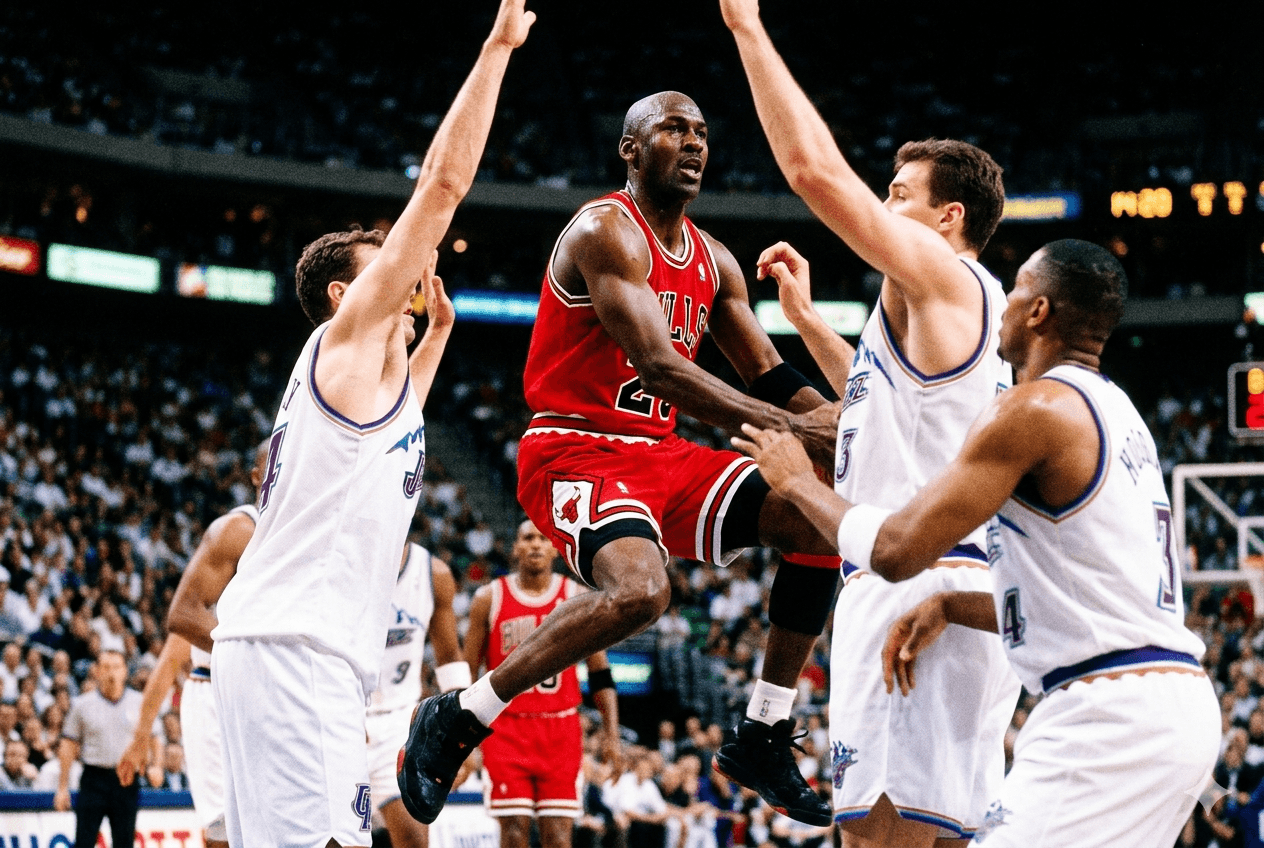
The Chicago Bulls of the 1990s, led by Michael Jordan, Scottie Pippen, and coach Phil Jackson, were at their best when the pressure was on. They won six championships with two separate three-peats, from 1991 to 1993 and again from 1996 to 1998. Jordan’s leadership, Pippen’s all-around game, and a strong team made the Bulls nearly unbeatable. During this time, the Bulls became the face of basketball.
The San Antonio Spurs built their dynasty on steady, consistent play. With coach Gregg Popovich and Tim Duncan leading the way, the Spurs won five championships in 1999, 2003, 2005, 2007, and 2014. Instead of flashy three-peats, they had an incredible 19-year run of 50 or more wins each season and played disciplined, team-first basketball. The Spurs showed that long-term success can be just as impressive as short bursts of dominance. Their core included Duncan, Tony Parker, Manu Ginóbili, and a steady stream of international talent.
Assessing the Golden State Run
The Golden State Warriors are the latest NBA dynasty. Their 2015 championship run changed how teams play offense. With Stephen Curry, Klay Thompson, Draymond Green, and Kevin Durant (for two seasons), they won four titles in eight years: 2015, 2017, 2018, and 2022. Their sharp three-point shooting and fast-paced offense set a new standard, showing that skill and teamwork can beat old-school power.
A Final Appraisal of Greatness
Choosing the 'greatest' dynasties comes down to personal opinion, but the number of championships is still the main way to compare teams. Whether it was the unstoppable Celtics with Russell, the exciting Lakers, the driven Bulls, or the precise Spurs, these teams set the standard in their time. They did more than win—they created a lasting culture of success. Even as new teams rise, the bar set by these dynasties remains the highest in basketball history.
TigerScores provides a comprehensive look at the sports world with live results, detailed player analytics, and the latest trending news. Browse our website to access a complete database of scores and stats designed to keep every fan fully informed and engaged.
an hour ago
55
Understanding the NBA Draft Lottery Rules and Odds
The NBA draft lottery decides which of the 14 teams that missed the playoffs get the top four picks. This system is meant to help struggling teams and prevent them from losing games on purpose.
The current system was created to stop teams from losing on purpose to get the top pick. Now, the odds are based on regular-season standings, and the three worst teams each have the same highest chance at the first pick. This recent change is meant to discourage "tanking."
Understanding how the lottery works and how teams are picked helps explain how NBA teams build their rosters for the future.
The Mathematical Foundation of the Lottery
The lottery uses 14 ping-pong balls, each with a number. Four balls are picked at random to decide the results.
There are 1,001 possible combinations of four balls, no matter the order. Before the lottery, the league gives 1,000 of these combinations to the 14 teams, with more going to teams that finished lower. One combination is left out and ignored if it comes up.
The machine draws four balls to decide the first pick, and the team with that combination wins. This is repeated for the next three picks. If the same team comes up again, a new combination is drawn instead.
Establishing the Drafting Order
Only the top four picks are decided by the lottery. After those are set, the rest of the picks (5 through 14) are given out based on regular-season records. The team with the fewest wins among the remaining teams picks fifth, and the order continues from there.
This system ensures that the worst teams still get high draft picks, even if they do not finish in the top four. It balances the need for rebuilding with some randomness.
Percentage Odds Breakdown
Since the lottery rules changed in 2019, the chances for each team to get the top pick are:
• Worst Team: 14.0%
• 2nd Worst Team: 14.0%
• 3rd Worst Team: 14.0%
• 4th Worst Team: 12.5%
• 5th Worst Team: 10.5%
• 6th Worst Team: 9.0%
• 7th Worst Team: 7.5%
• 8th Worst Team: 6.0%
• 9th Worst Team: 4.5%
• 10th Worst Team: 3.0%
• 11th Worst Team: 2.0%
• 12th Worst Team: 1.5%
• 13th Worst Team: 1.0%
• 14th Worst Team: 0.5%
You can see how the odds drop from team to team. For example, the worst team has a 14% chance, while the 8th-worst team only has 6%. Giving the bottom three teams the same odds is meant to stop teams from trying to finish last.
The Future Structure of Team Building
The lottery is a big event that can change a team's future. One drawing can bring in new talent and shift a team's direction. The national attention on the lottery shows how important the results are.
The NBA is still looking at how well these lottery rules keep the league balanced. The current system is a compromise. It tries to stop teams from losing on purpose by making the odds more even at the bottom, but it still gives the worst teams the best chances. In the end, the mix of strategy and luck in the lottery means every season brings new hope and some uncertainty for teams and fans.
Stay on top of every fast break and buzzer-beater with TigerScores, your home for live NBA and college hoops updates. From real-time box scores to season-long player stats, we provide the essential data every basketball fan needs to follow the game.

a day ago
226
NBA Salary Cap, Luxury Tax, and Aprons Guide
Understanding the NBA’s financial system is essential for seeing how teams stay competitive. The excitement on the court draws fans in, but the decisions made by team executives matter just as much. For teams chasing a championship, the collective bargaining agreement can be as challenging as any rival. Knowing about the NBA Salary Cap, Luxury Tax, and Aprons helps explain how teams are built, why star players change teams, and what separates contenders from those rebuilding.
The NBA’s system is designed to give all teams a fair shot by balancing resources. The league uses a "soft" salary cap, which means teams can sometimes spend more than the cap if they use certain exceptions, but there are consequences for doing so. The salary cap is based on league revenue and sets a limit on how much each team can spend on players. This helps players benefit from the league’s success. Teams that manage the cap well can build strong rosters, while those that don’t may face penalties and have fewer trade options, unlike leagues without a cap.
The Luxury Tax: The Cost of Contention
When a team spends more than the cap, it enters luxury tax territory. The cap is a guideline for spending, but the luxury tax is a penalty for teams that go over a certain limit. The more a team exceeds the tax line, the more it has to pay the league for each extra dollar spent. This money is then given to teams that stay under the tax, which makes overspending risky.
The luxury tax has two main goals. It stops wealthy owners from outspending others to build superteams, and it helps keep the league balanced by sharing money with smaller-market teams. General managers always have to balance signing star players with the financial pressure the tax brings.
The Aprons: Hard Caps in Disguise
The aprons add more rules for team spending. Unlike the cap or luxury tax, aprons are set limits above the tax line. If a team crosses these limits, it faces strict penalties and tough spending restrictions. The first apron is just above the tax line, and the second is even higher, creating hard limits that are stricter than the cap or tax.
If a team goes over the first apron, it faces limits on getting new players, such as losing some trade exceptions or the ability to use the mid-level exception. Going past the second apron brings even tougher rules: teams can’t use the mid-level exception, face stricter trade rules, and have fewer options in the buyout market. If a team stays above the second apron for too long, it could lose access to first-round draft picks, which hurts long-term planning.
The Strategic Game Beyond the Court
The salary cap, luxury tax, and aprons all affect how NBA teams make decisions about trades, free agency, and the draft. Teams need to manage contracts and future spending carefully to avoid the tough restrictions that come with crossing the aprons.
Fans who understand these rules can better appreciate the strategies teams use off the court. When a team trades a productive veteran for draft picks, it’s often about saving cap space or avoiding the luxury tax, not just the player’s performance. When top teams pay a big tax bill to add talent, it shows they are committed to winning. Handling these financial rules is just as important as playing well on the court.
Roster Building in the New NBA Landscape
The NBA’s financial rules make it tough to build a winning team. General managers have to be both good at finding talent and smart with money, working through a complicated set of rules that demand both vision and discipline. Teams that master this balance stay competitive, while those that don’t may face years of rebuilding and missed chances.
Stay on top of every fast break and buzzer-beater with TigerScores, your home for live NBA and college hoops updates. From real-time box scores to season-long player stats, we provide the essential data every basketball fan needs to follow the game.

a day ago
215
Win Shares Basketball Stat: How Analysts Measure Value
Professional basketball analysis has changed how we judge player value. For many years, people mainly looked at basic stats like points and assists per game. Back then, exciting basketball was just about highlights and counting stats. Now, analysis is more detailed. Teams and media use advanced analytics to measure efficiency and impact. One of the most popular stats is Win Shares, which shows how much a player helps their team win.
Win Shares aims to give each player credit for their team’s wins. Since it adds up over the season, a higher number means a bigger positive impact. Players can even have negative Win Shares if their play hurts the team. This stat goes beyond just counting points and rebounds. It also considers efficiency and the situation in which a player performs.
So, how do analysts figure out this stat? The process is detailed. They break a player’s performance into two parts: Offensive Win Shares and Defensive Win Shares. Each is calculated on its own, then added together for the player’s total Win Shares for the season.
Calculating Offensive Contributions
Offensive Win Shares (OWS) estimate how many wins come from a player’s offense. The main number used is Offensive Rating, but other stats are included too:
Total Marginal Offense shows how many extra points a player scores compared to an average player, with adjustments for the speed of the game.
Marginal Points Per Win is a conversion factor that tells us how many extra points are needed for one team win. This number is based on league scoring averages for the season.
To find Offensive Win Shares, analysts divide Total Marginal Offense by Marginal Points Per Win. OWS gives credit for efficient scoring, good passing, and ball-handling. It also compares a player’s value to that of a typical replacement player.
The Challenge of Measuring Defense
Defensive Win Shares (DWS) are tougher to measure than offense. Defense is hard to track because things like good positioning or making opponents miss shots often don’t appear in regular stats.
The DWS formula mostly uses a player’s Defensive Rating. This number is multiplied by Defensive Points Per Possession and then by Team Possessions. The result estimates the team’s total defensive value, adjusted for game speed. This value is then split among players, using stats like rebounds, blocks, steals, and how the team performs when that player is on the court.
Some critics point out that DWS relies a lot on team defense and box-score stats. It can miss great defenders who don’t get many blocks or steals. Still, DWS remains the primary measure of defensive impact in this system.
Interpreting the Final Number
When you add OWS and DWS together, you get a player’s total Win Shares. This stat adds up over the season and rewards both efficient and consistent play. Superstars might have 15 or more, while solid starters usually get between six and nine.
Win Shares per 48 Minutes (WS/48) is an important version of the stat. It takes total Win Shares, divides by total minutes played, and multiplies by 48 to make the numbers easier to compare. WS/48 shows how efficient and impactful a player is. It lets you compare stars who play a lot with efficient bench players, so playing more minutes doesn’t give an unfair edge.
The Utility of This Metric
Win Shares is useful because it gives a quick way to compare player value. It combines scoring, defense, and playing time, so you get a bigger picture than with basic stats alone. Analysts, managers, and fans use it to compare players from different teams and even different eras. It’s a helpful starting point for deeper analysis.
Like any stat, Win Shares isn’t perfect. It shouldn’t be the only number you use. The defensive side can vary a lot, and the offensive side favors efficient players, sometimes missing high scorers on weaker teams. Win Shares is important in today’s analysis, but it works best when combined with other stats and an understanding of the game.
Stay on top of every fast break and buzzer-beater with TigerScores, your home for live NBAand college hoops updates. From real-time box scores to season-long player stats, we provide the essential data every basketball fan needs to follow the game.

2 days ago
187
Pace Factor Basketball Statistics: Driving Team Scoring
To really understand how a modern basketball team works, you need to look past just points per game. A team that averages 115 points might seem strong on offense, but that number mostly shows how many shots they take. To measure true efficiency, analysts use pace factor basketball statistics. These metrics show how well a team manages the flow and productivity of the game, not just how many points they score.
Pace factor counts how many possessions a team has in a 48-minute game, giving a better sense of performance than just looking at total points. Judging teams by each possession is important because it shows real efficiency, not just the effects of playing fast or slow. Without this, you miss what really makes a team good.
When looking at a team, it's important to balance playing speed with real efficiency. Knowing how many possessions a team has changes how we read traditional box scores and helps us better understand team performance. This is key to good basketball analysis.
The Formula Behind the Speed
Pace factor uses a formula to estimate the total number of possessions in a game. It includes field goal attempts, free throw attempts, turnovers, and offensive rebounds from both teams. Since teams usually take turns with the ball, the formula averages the totals from both sides.
Teams that play fast get more chances to shoot and score on the break. Teams that play slow use more of the shot clock and have fewer possessions. Because of this, a team scoring 110 points per game might actually be more efficient than a team with a higher average.
How Possession Volume Dictates Scoring Stats
Pace factor stats affect traditional box scores. Teams that play faster have more possessions, so their players and team stats are usually higher.
Higher scoring: More possessions give teams more shots, so they score more points even if their shooting isn't better.
Inflated stats: Players on fast-paced teams have higher averages just because there are more plays in each game.
Defensive Misconceptions: Fast teams might look bad on defense because they allow more points, even if they are actually strong at stopping opponents on each possession.
The main point is that using offensive and defensive ratings per 100 possessions removes bias and lets us fairly compare teams with different styles.
Strategic Styles: Up-Tempo vs. Half-Court Execution
Coaches change the pace depending on their players. Athletic teams try to get more possessions by moving quickly before the defense is ready.
Teams with strong post players or isolation scorers usually play slower and more carefully. They slow down the pace to limit the other team's fast breaks and make the game about half-court offense.
The Evolution of the Modern Game
The idea of what makes a game fast has changed over time. Studies show that taking quick shots, especially three-pointers and layups, leads to more points. Teams now avoid mid-range shots and focus on quick, high-value plays.
Because of this change, even the slowest teams today play faster than the fastest teams from past decades. Now, teams focus on making each possession count, not just playing fast for its own sake.
The True Measure of Efficiency
If you only look at points per game, you can get the wrong idea because it ignores how fast teams play. Pace factor stats give important context and remove the confusion caused by just looking at totals. By judging teams by each possession, we get a fair measure of which team really controls the game.
Stay on top of every fast break and buzzer-beater with TigerScores, your home for live NBA and college hoops updates. From real-time box scores to season-long player stats, we provide the essential data every basketball fan needs to follow the game.

2 days ago
163

PBA
PBA Grand Slam Champions: A Legacy of Perfection
Winning a professional basketball championship is tough. Winning three major titles in a row during one season is almost impossible. That is what a Philippine Basketball Association (PBA) Grand Slam means. It shows a season of total dominance, made possible by a rare mix of talent, smart coaching, good health, and steady focus all year.
Since 1975, the PBA has held three tournaments each season, called "Conferences." These were first known as the All-Filipino, Reinforced, and Open, and are now called the Philippine Cup, Commissioner's Cup, and Governors' Cup. Each conference has its own rules for team lineups and foreign "imports," which makes winning all three especially difficult and rare.
The few teams that have won a PBA Grand Slam did more than just compete—they shaped the league’s history. To see how special these wins are, it helps to look at how these teams handled the tough PBA schedule. They managed the long season and adjusted to different import rules, earning their place in league history.
The Early Dynasties
The first team to win a Grand Slam set a high standard early in the league. The Crispa Redmanizers, led by coach Baby Dalupan, won all three conferences in 1976. With stars like Bogs Adornado, Atoy Co, and Philip Cezar, they played as a true team and dominated their opponents. Their 1976 season became a model for future champions.
Crispa did not wait long to do it again. In 1983, with new stars like Abet Guidaben, the Redmanizers won all three conferences for a second Grand Slam. This made Crispa the league’s first real dynasty, showing they could rebuild and still stay on top.
San Miguel's Historic Run
The San Miguel Beermen, the team of San Miguel Corporation, made their own mark in history. In 1989, with Ramon Fernandez and coach Norman Black leading the way, the Beermen won all three championships. Their Grand Slam showed the team’s strong organization, talented local players, and smart use of imports.
San Miguel ended the Crispa-Toyota era, proving that a balanced and well-managed team could become champions.
The Modern Immortals
As the league became more balanced, winning a Grand Slam got even harder. It took seven more years for another team to join the elite group. In 1996, the Alaska Milkmen, led by coach Tim Cone and stars Johnny Abarrientos and Jojo Lastimosa, won all three titles. Known for their triangle offense and strong defense, this team defined PBA basketball in the 1990s.
Tim Cone made history again years later, this time with a different team. In 2013-2014, the San Mig Super Coffee Mixers, led by stars James Yap and Marc Pingris, won the PBA’s fifth Grand Slam. Cone is the first and so far only coach to win two Grand Slams, adding to his legacy.
The Rarity of the Achievement
Winning a PBA Grand Slam takes more than just basketball skill. It requires real endurance. Players go through three tough conference schedules and playoffs, each bringing new challenges. The mental pressure also grows as everyone wants to beat the champions.
Changing import rules make things even harder. Teams have to play well with an all-Filipino lineup, then adjust when a bigger import joins, and finally adapt to another set of import rules. Staying strong through all these changes takes real tactical skill.
The PBA's Mount Everest
Grand Slam teams all had a relentless spirit. More than just talent, they worked together as one, pushing through a tough year. The Grand Slam is still the biggest test in the PBA, a mark of perfection that makes legends.
TigerScores is your ultimate multi-sport hub, delivering the latest scores, in-depth stats, and breaking news from the world of professional sports. Whether you're tracking league standings or looking for real-time game updates, our platform ensures you stay ahead of every play.
an hour ago
56
Tropang 5G, Elasto Painters Aim for 2-0 Semifinal Leads
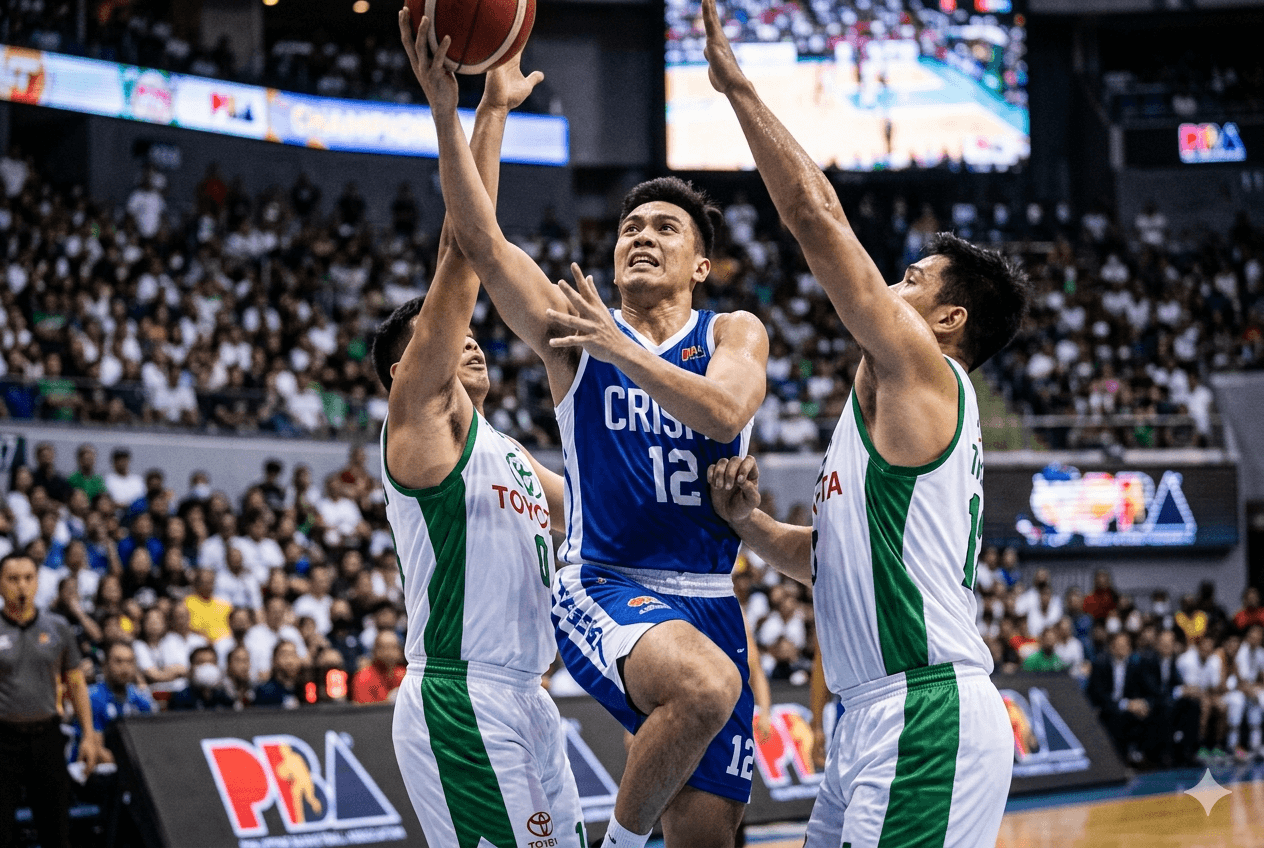
TNT and Rain or Shine are looking to take a commanding step in their respective Philippine Basketball Association (PBA) Season 50 Commissioner's Cup semifinals, as the race-to-4 series continues later at the Mall of Asia Arena in Pasay.
The action kicks off at 5:15 p.m., with the Elasto Painters hoping to replicate their Game 1 success over Barangay Ginebra. They edged the Kings 115-111 at the Ynares Center in Antipolo, where 10,412 fans witnessed a thrilling contest.
Coach Yeng Guiao’s squad showed tremendous resilience, coming back from a 10-point deficit early in the fourth quarter and finishing strong with a 13-2 run, fueled by clutch plays from Jhonard Clarito and the team’s reliable core.
They achieved this despite missing Caelan Tiongson due to illness and Luis Villegas, sidelined for the series with a hamstring injury. These absences are a major setback for Rain or Shine, and Ginebra will look to capitalize on any openings to even the series.
Even in their Game 1 loss, the Kings displayed their trademark NSD spirit, bouncing back from a slow start with a strong second-quarter performance to keep the game tight until the final buzzer. That fighting spirit has them favored in the rematch, with Casino Plus setting them at -1.5 points as of 2:30 p.m.
In the other semifinal, Tropang 5G are also favored, with defending champions TNT expected to claim victory by -2.5 points. The over/under for TNT vs. Meralco is set at 193.5, while the Ginebra-Rain or Shine matchup sits at 204.5.
TNT has maintained momentum since the quarterfinals, ousting NLEX and following up with a gritty 94-89 Game 1 win. Jordan Heading stood out with 16 points, while the defense contained Calvin Oftana, who still scored 14. Bol Bol impressed not only with 37 points and 11 rebounds but also by dishing out eight assists—his highest in the conference—highlighting his growing understanding of the team’s dynamics.
Despite their strong showing, Coach Chot Reyes remains cautious, especially of Meralco’s import Marvin Jones, who spearheaded the Bolts’ offense in Game 1.
All betting options can be found here

5 hours ago
124
UP Remains Undefeated, Tops Gilas Youth
The University of the Philippines (UP) kept its perfect record intact in the 19th Filoil EcoOil Preseason Cup, overpowering Gilas Pilipinas Youth 92-74 on Thursday in San Juan.
The game also provided the young national team a valuable learning opportunity against a seasoned collegiate squad. The Fighting Maroons relied on a balanced offensive attack to stay atop the UAAP Group with a 3-0 record.
Former national youth team player Jacob Bayla spearheaded UP’s effort with 10 points and three rebounds, helping the Fighting Maroons extend their strong start.
“For us, it’s about building good habits. We still have a long way to go, and it’s a privilege to help the national team prepare for the SEABA tournament,” said UP assistant coach Christian Luanzon.
Veejay Pre added 11 points, Gani Stevens contributed nine points and eight rebounds, and Elliot Dimaculangan also chipped in nine, securing UP’s third win of the tournament.
For Gilas Youth, Kyle Sardon led the scoring with 20 points, while Ethan Aguas added 12 points and four rebounds, and Bruce Tubongbanua contributed 11 points, three rebounds, and three assists. The young Nationals, however, suffered their second consecutive loss in the preseason.
Meanwhile, National University (NU) earned its second victory in three games by defeating an undermanned Adamson squad, 74-66. Mo Diassana powered the Bulldogs with 11 points and eight rebounds, while PJ Palacielo also delivered with 11 points and six boards.
“Every game is a chance to learn and adapt. We just have to correct what we can to improve each game,” said NU coach Jeff Napa.
NU broke the game open in the third quarter, outscoring the Soaring Falcons 22-0 to take a 65-43 lead, later extending it to 67-43 early in the fourth. Noah Pacquiao led Adamson with 19 points.
In other action, Letran and San Beda both notched their second wins in the NCAA bracket. Letran defeated San Sebastian 96-85, powered by Daniel Sison-Walker’s 26 points and four rebounds. Chad Gammad added 16 points, Syrex Silorio posted 12 points, four rebounds, four assists, and three steals, while Justine Hugo chipped in 10 points and nine rebounds. Letran led by as many as 20 points during the contest. Ralph Gabat paced the Golden Stags with 20 points and eight rebounds in the loss.
San Beda remained unbeaten after cruising past Lyceum of the Philippines 102-77. Daniel Marcelo made an immediate impact with 17 points, four assists, and three rebounds, while Aldous Torculas added 15 points and five rebounds, and Lawrence Hawkins contributed 14 points and nine boards. Renz Villegas led Lyceum with 20 points, but the Pirates fell to 1-2.

8 hours ago
138
PBA Rookie Draft Rules: Eligibility, Order, and the Blueprint
The Philippine Basketball Association (PBA) rookie draft is how new basketball talent enters the league. Teams use the draft to add young and skilled players to their rosters, which helps them succeed in the long run. If you want to go pro, understanding and meeting the PBA rookie draft requirements is your first step. This guide will show you what you need to qualify and how the draft works.
Understanding the draft’s rules, strategies, and eligibility requirements shows why it matters. These elements help both players and teams succeed. Let’s look at the main eligibility rules.
There are clear steps to enter the draft. The league has rules about age, education, and playing experience. If you meet these, you can join the draft pool, but your ranking depends on your performance in pre-draft camps. This guide explains each step you need to take to get selected.
Age, Education, and Core Eligibility Criteria
To join the draft, you must meet the league’s main requirements. You need to be at least 22 years old on draft day, or at least 19 if you have finished two years of college. This allows both older graduates and younger college players to enter the league.
Besides age and education, there are extra rules for certain groups:
• Filipino-foreign applicants have specific requirements. If you have dual citizenship, you must show proof of Filipino heritage, usually with government documents. Now, a valid Philippine passport is enough, making the process simpler than before.
• D-League Experience: In the past, most local draft applicants had to play in the PBA D-League and join a set number of tournaments over several seasons. Recently, this rule has changed, so some applicants may now qualify without playing many D-League games, depending on the latest league rules.
The Foundation of the Draft Order
The draft order is based on the reverse order of last season’s final standings. The team with the worst record across all conferences gets the first pick, while the champion picks last.
This system helps struggling teams get top new talent, which can speed up their rebuilding process. However, trades and deals often change the draft order. Teams can trade picks for veterans, future assets, or cash if the league approves. On draft day, teams often move around to get better positions.
Mandatory Pre-Draft Evaluations
Every applicant must attend the official PBA Rookie Draft Combine. There, they take athletic tests such as vertical jumps, sprint times, and agility drills, and play live five-on-five games. This event is the main way to evaluate physical and basketball skills.’
How you perform at the combine is important for scouts and team executives. Doing well can improve your draft position, while poor results or missing the event can create uncertainty.
The Final Roster Blueprint
The PBA rookie draft is the main way teams refresh and rebuild their rosters. Prospects must meet strict eligibility standards for age, education, and documents before they can show their skills on the court. Once eligible, players are placed in a selection order that helps struggling teams, though trades often change the draft lineup. The process ends with the combine, where teams see each player’s physical abilities and drive. For teams and aspiring pros, understanding this process is key. It is the first step to building strong teams and shaping the future of Philippine basketball.
Stay on top of every fast break and buzzer-beater with TigerScores, your home for live NBA and college hoops updates. From real-time box scores to season-long player stats, we provide the essential data every basketball fan needs to follow the game.

a day ago
256
The Blueprint of Philippine Basketball: Inside the Unique PBA Conference System Format
The Philippine Basketball Association is one of the longest-running sports leagues. What makes it different is its unique competition format. Instead of having just one champion after a long season like most Western leagues, the PBA divides its year into three separate tournaments. This setup gives teams several chances to chase a title, which keeps the excitement alive for both fans and players.
In this system, teams compete in three different stages: first, the all-local Philippine Cup, then the Commissioner’s Cup and Governors’ Cup, which both allow international players. Each stage brings new roster rules and strategies, making the championship race a constant test of adaptability. Looking at how each part works shows just how much planning and flexibility it takes to get through a full season in Southeast Asia’s top basketball league.
The Crowning Jewel: The All-Filipino Philippine Cup
The season starts by highlighting local talent. The Philippine Cup is the most respected of the three trophies because only Filipino players can compete. Winning this tournament shows that a team’s local players are strong enough to beat the rest of the country without help from foreign athletes.
With no foreign centers allowed, teams change how they play. They focus more on fast breaks, outside shooting, and organized plays. Since there are no tall rim protectors, coaches teach players to help each other on defense, making local skills, endurance, and smart half-court play even more important.
Scaling Up: The Roster Shift of the Import-Aided Conferences
After the local-only tournament, the next stage brings in 'imports,' or skilled foreign players from other top leagues. This change forces teams to adjust, often building their game plan around one main player. The last two tournaments affect team strategies in these ways:
• The Commissioner’s Cup often allows imports with few or no height limits. This brings in top-level centers who are great at rebounding, defense, and scoring close to the basket, as well as power forwards who can play both inside and outside. Local big men have to work hard to defend these strong, skilled players who can control rebounds and block shots near the rim.
• The Governors’ Cup sets a strict height limit for foreign players, usually at 6'5" or 6'6". Because of this, teams score more from the outside. Athletic wings and guards become more important, making the games faster and more exciting.
Foreign players make the competition tougher for local athletes. Local guards pick up new ways to run the pick-and-roll, and shooters learn to create space to handle the extra defensive attention on imports.
The Ultimate Historical Pursuit: The Grand Slam
Since each tournament is separate, the league names three different champions every season. This setup means that an early injury doesn’t ruin a team’s whole year, since they get another shot at a title soon after. But it also creates the biggest challenge in the league: the rare Grand Slam.
A Grand Slam happens when a team wins all three tournaments in one year. It’s one of the hardest things to achieve in pro sports. Teams have to be great with just local players and also beat top international talent, all while staying strong through a long season.
The Strategic Legacy of Three Championships
Having several tournaments helps basketball grow in the region. Local players get to face different styles and play against international athletes. This makes them more adaptable and better prepared to compete worldwide.
Teams can’t afford to relax. A strategy that works in the Philippine Cup might not succeed against a powerful center or quick wing in the next tournaments. Teams have to keep adjusting. Every few months, a new race for the championship starts and captures the nation’s attention.
Stay on top of every fast break and buzzer-beater with TigerScores, your home for live NBA and college hoops updates. From real-time box scores to season-long player stats, we provide the essential data every basketball fan needs to follow the game.

a day ago
177
WNBA
WNBA Advanced Analytics: How Data Reshapes the Game
Box scores once told the whole story of a basketball game, but now they only hint at what’s really happening. Points, rebounds, and assists still matter, but WNBA teams look much deeper for an advantage. Thanks to tracking data and efficiency stats, coaches and front offices have changed how they build teams and design plays.
This change relies on advanced analytics in the WNBA, which turn every move on the court into data. By tracking players and measuring how well they move, teams can judge performance in ways that go beyond basic stats. These new numbers reveal how the game is evolving.
The Metrics That Matter: Moving Past Points Per Game
To truly measure a player's impact, analysts use efficiency stats that consider pace and minutes played. Basic stats can make players who shoot a lot look better than they are. Advanced tracking finds hidden weaknesses and highlights defensive players who might not get much attention otherwise.
True Shooting Percentage (TS%) measures a player's overall shooting efficiency by including three-pointers and free throws. This gives a clearer picture than just looking at field-goal percentage.
Effective Field Goal Percentage (eFG%) adjusts a player’s shooting percentage to show that three-pointers are worth more than two-pointers. It only counts shots taken during live play.
Player Efficiency Rating (PER) combines a player’s positive and negative plays into one number per minute to show their overall impact.
Defensive stats have improved a lot. Defensive Rating (DefRtg) shows how many points a team allows per 100 possessions when a player is on the court. This helps coaches measure defensive effort in ways basic stats might miss.
Tracking Technology: Every Step Accounted For
The biggest change in women's basketball analytics comes from special cameras in arenas. These cameras do more than record movement. They create detailed, real-time data that coaches and analysts use to study player positions, ball movement, and team spacing during every play.
This data lets teams break down plays in detail. By seeing how close defenders are, how fast players move, and which passing options are open, coaches can adjust their strategies during games and help players choose better shots. These insights from tracking technology can directly boost team performance.
Coaches also study different lineup combinations. They use net rating—the difference between points scored and allowed per 100 possessions—to see which groups of five players work best together. Sometimes, the data reveals that a bench unit with strong chemistry can outperform a lineup of individual stars.
Scouting and Strategy: Data-Driven Decision Making
Advanced stats have changed how teams approach the draft and free agency. Instead of relying only on scouting reports, executives now build analytical profiles. These profiles help predict how a college player’s skills might translate to the pros.
On the court, teams now adjust their game plans for each opponent. If data shows a guard struggles going left, defenders will push her in that direction. The game has become a chess match of numbers, where stopping an opponent’s best shots is as important as running your own offense.
The Analytical Future of Women's Basketball
Teams will depend on data even more as tracking technology improves and becomes easier to use. Wearable devices that track player workload and heart rate during practice are combining performance analytics with sports science. This helps prevent injuries and speeds up recovery.
Numbers can’t replace the human side of sports, like heart, leadership, and instinct. Analytics offer a powerful perspective. They help show what works, what doesn’t, and make the game’s strategy even better.
TigerScores is your ultimate multi-sport hub, delivering the latest scores, in-depth stats, and breaking news from the world of professional sports. Whether you're tracking league standings or looking for real-time game updates, our platform ensures you stay ahead of every play.

2 days ago
80
WNBA Offseason Shifts: How Early Moves Reshape the League
The WNBA offseason usually begins quietly, but this year, early free agency moves are bringing excitement. Teams are quickly reviewing their rosters and making decisions. Each move can change the league’s balance, especially with a strong rookie class ready to contribute right away.
A few big trades have already changed the offseason. The Los Angeles Sparks picked up Kia Nurse from Seattle, trading a 2024 draft pick to add experience and shooting. Nurse should fit well with the Sparks’ offense. The Atlanta Dream also traded with Los Angeles to get Jordin Canada, which boosts their backcourt right away. Canada’s defense and playmaking will help lead the Dream’s guards. With these early deals, analysts are watching to see which other key players might be traded soon.
These early trades have started a lot of talk about which players and situations could change the list of top teams. Here are some of the main stories getting attention around the league:
• Veterans Looking for Contenders: Some experienced players are on teams that are rebuilding and might ask to be traded to championship contenders. These players are often mentioned in trade rumors, and with teams changing their rosters, a big move before training camp could happen.
• The Draft Pick Dilemma: The 2024 draft has top prospects who could make a big difference for teams. Teams with high picks, like Indiana, Los Angeles, and Chicago, have a tough decision to make—trade their pick for a proven All-Star or focus on building for the future. With several standout college guards available, a big trade involving a top pick could happen before draft day.
• Salary Cap Dynamics: Some teams have tight salary caps but still want to get better. Because of this, talented players with large contracts might be available. Teams with more cap space have to decide if making a quick upgrade is worth the cost.
All this offseason activity has a purpose. It shows how the WNBA is changing. With a 40-game regular season and more fans watching, teams want to make the most of every chance to win. The recent success of rookies like Aliyah Boston also pushes teams to find young talent fast, even if it means trading veteran players.
With so many changes happening and training camps coming up, teams feel more pressure to finish their rosters. The trades and signings now will decide which teams can go far in the playoffs. This early offseason activity is important because it shows the league is getting stronger and more competitive every year.
The Final Roster Rush
In short, the WNBA offseason is moving faster and bringing bigger changes than before. Teams are acting quickly, making bold moves with free agents and trades to shape their futures. This active approach shows how urgent teams feel, with more talent in the league and top college players making an impact right away. While we don’t know the final results yet, the latest rumors and trade news suggest the list of top contenders will look different when the season starts.
Stay on top of every fast break and buzzer-beater with TigerScores, your home for live NBA and college hoops vupdates. From real-time box scores to season-long player stats, we provide the essential data every basketball fan needs to follow the game.

05-13 12:16
160
USA edges Lithuania in OT to claim Women’s 3x3 Series Manila crown
Team USA captured back-to-back titles on the FIBA 3x3 Women’s Series, defeating Lithuania 17-15 in overtime to win the 2026 Manila Stop on Friday night at the SM Mall of Asia Music Hall.
The Americans showed composure in the extra period, with Joyce Edwards giving them the lead on a well-executed pick-and-roll. Lithuania had one final shot to tie or win, but Kamile Nacickaite-van der Horst missed a long-range attempt, allowing Mikaylah Williams to seal the victory with the championship basket.
Williams and Edwards led the USA with six points each, while Williams added five rebounds and earned tournament MVP honors with a total player value of 52.4. The American squad also featured Milaysia Fulwiley and Sahara Williams.
Nacickaite-van der Horst paced Lithuania with eight points, including three two-pointers during a late rally that forced overtime.
Team USA had to fight through the qualifying draw but dominated once they reached the main competition. They posted convincing wins over Warsaw (21-5), Manila Gilas (21-12), Germany (21-12), Gilas Women (21-10), and Ulaanbaatar Amazons (22-7) en route to the final.
In the semifinals, Lithuania advanced with a 21-12 win over Germany, while the USA defeated Neftchi SOCAR 21-16 to set up the gold medal clash.
The thrilling overtime victory capped off a flawless run for Team USA in Manila.

05-11 03:49
192
A’ja Wilson 2026: Analyzing the Stats of a 3-Time MVP Candidate
Consistency in pro basketball means more than ever these days. A’ja Wilson isn’t just the face of her team—she’s the standard for WNBA frontcourt players. As this season goes on, her chase for another big award deserves a closer look.
As her reputation grows, the case for A’ja Wilson as a 2026 MVP is hard to ignore. Her influence goes far beyond the usual stats, changing how games flow and forcing opponents to adjust their defense every night. Wilson isn’t just scoring—she’s taking over the most important moments.
To really see why she’s an MVP candidate, it helps to look at how she’s grown. Wilson has sharpened her offense, moving from a solid inside scorer to a nearly unstoppable and efficient force.
Dominating the Paint: Rebounding and Efficiency
Wilson’s efficiency around the basket is remarkable. Scoring alone isn’t enough—great players make their shots count, and Wilson does exactly that.
• Field Goal Percentage: Wilson is hitting a career high, which is even more impressive considering how much she handles the ball. Her soft touch and athleticism help her make tough shots.
• Offensive Rebounding: She’s gotten much better at grabbing second-chance opportunities. Wilson often controls the boards and quickly turns missed shots into points.
• True Shooting Percentage: This stat, which includes threes and free throws, highlights how efficient Wilson is. She’s among the league’s top five, making the most of every possession.
Defensive Anchor: Impact Beyond the Blocks
Offensive numbers are easy to see, but Wilson’s defense might be her biggest strength. A lot of stats don’t capture how much she makes opponents think twice.
She doesn’t just block shots; she stops them from happening in the first place. Opponents hesitate to drive to the basket because they know Wilson is there.
• Blocked Shots: Wilson is always among the leaders in blocks, using her long reach and great timing to challenge shots without fouling.
• Defensive Rating: The team’s defense gets better when she’s on the court. Her talking and smart positioning help keep the whole defense steady.
• Steals: Wilson’s quickness lets her pick off passes and strip the ball, which often leads to fast-break points.
Clutch Performance and Leadership
Real MVPs step up when it matters most. Wilson’s strong fourth-quarter numbers and clutch performances in close games make her MVP case even stronger.
Wilson’s ability to deliver in big moments is clear. She gets even more efficient when the game is on the line, taking tough shots and leading with her scoring, defense, and extra assists when defenses focus on her.
The Case for Another Historic Milestone
Looking at Wilson’s impact, it’s clear why she’s the frontrunner. She’s having a historic regular season, not just playing well.
Wilson’s biggest strength is her consistency, putting up elite numbers on offense and defense every night. No one else matches her efficiency and defensive impact all season. If MVP means most valuable, her stats make a third trophy very likely.
TigerScores is your ultimate multi-sport hub, delivering the latest scores, in-depth stats, and breaking news from the world of professional sports. Whether you're tracking league standings or looking for real-time game updates, our platform ensures you stay ahead of every play.

05-08 11:04
465
Angel Reese: Dominating the Glass and Redefining Rookie Impact
Angel Reese made an immediate impact in the WNBA with her rebounding skills. In her rookie year, she set single-season records and helped define the Chicago Sky’s style of play. Although much of the attention is on her personality and physical game, her true value shows in her rebounding numbers.
Reese’s stats highlight just how dominant she was. In 2024, she changed what people expect from rookies. Her consistent play and ability to create second-chance points were key for Chicago. She led the league with 13.1 rebounds per game.
Her impressive rebounding sometimes overshadows her other offensive skills. Looking at her 2024 game log on her WNBA Profile, it’s clear her rebounding was steady throughout the season.
The Historic Rookie Rebounding Baseline
Reese set a WNBA rookie record with 13.1 rebounds per game. Her offensive rebounds often turned missed shots into points, either by scoring herself or giving her team another chance.
In early September, she broke the WNBA single-season offensive rebounding record with 172, passing Yolanda Griffith. This gave the Sky a steady source of second-chance points.
Physicality and Pursuit: Breaking Down the Technique
One reason Reese rebounds so well is her positioning. She doesn’t wait for the ball; she goes after it. This includes:
• Early positioning: She tracks the ball’s path and moves to its likely drop spot before others.
• Physical leverage: She uses her strength and lower body to make space, which is especially important as the game gets more physical in the pros.
• Double jump: Reese’s quick second jump helps her tip or grab missed shots before anyone else, increasing her offensive rebounds.
Her aggressive style leads to her success. She relies more on effort and awareness than on finesse. Her technique may not look smooth, but it gets results.
What’s Next: Projecting Sophomore Production
In her second year, Reese will need to grow in areas beyond rebounding. Now that teams have a season’s worth of film on her, she’ll have to adjust as defenses change.
To maintain or improve her 13.1 average, she'll need to evolve her game. Developing a consistent mid-range shot or better finishing will make defenders adjust. Right now, they can simply box her out, aware that she often chases her own misses.
If she improves her 39.1% shooting from 2024, she might actually get fewer offensive rebounds. Still, if she averages 11 rebounds and 18 points with better shooting, she’ll be even more valuable, even if her stats look different. In her second year, it’s about making an impact, not just putting up big numbers.
Reese’s second season is all about growth. Her stats prove she’s already an elite rebounder, but now the challenge is to see how she can become a more well-rounded player.
Stay on top of every fast break and buzzer-beater with TigerScores, your home for live NBA and college hoops updates. From real-time box scores to season-long player stats, we provide the essential data every basketball fan needs to follow the game.
04-30 09:49
166

EPL
Premier League Homegrown Player Rule Explained
The Premier League homegrown player rule is often misunderstood, but it has a big impact on how English clubs build their teams. The rule is meant to encourage local talent, so clubs have to set up their squads in a certain way and sometimes make difficult decisions. When clubs put together their 25-man squads, they have to follow these quotas closely. If they break the rules, their squad size is reduced, which can be a serious setback in top-level football.
Many people think a "homegrown player" has to be English, but that's not true. The rule is actually about where and how a player was trained and registered. A player counts as homegrown if they were registered with a club under the English or Welsh FA for at least three seasons, or 36 months, before turning 21. These early years are what decide if a player gets homegrown status.
This is why international players like Cesc Fàbregas at Arsenal or Romelu Lukaku at Chelsea were considered homegrown after joining English clubs at age 16. On the other hand, an English player who moves abroad at 16 might lose their homegrown status.
The rule decides how a 25-man squad is made up. Out of 25 players, up to 17 can be non-homegrown (often called 'foreign,' but the rule is really about registration). To have a full squad, at least 8 players must be homegrown. Clubs do not have to start homegrown players in matches, but they do have to include them in the squad. There is no penalty if homegrown players do not play and just stay on the bench.
There is also an important detail about under-21 players. Players under 21 who are registered can play even if the squad already has 25 players, and if they meet the requirements, they can become homegrown in the future. This gives clubs a strategic advantage, so top teams often fill their academies with talented young players. Jude Bellingham’s time at Birmingham City is a good example of how early decisions can affect a player's status later on.
The Financial Implications of the Rule
The homegrown rule has a big impact on transfers and club finances. Good homegrown players are hard to find. When top clubs want the best talent, they often end up in bidding wars, which raises the prices and wages for English or Welsh players compared to players from other countries with similar skills. Clubs like Manchester United and Arsenal try to avoid these high costs by promoting players from their own academies.
When a big club needs to fill one of its eight homegrown spots, it might pay two or three times more for a homegrown player than for a player of similar quality from France or Italy, just because of the homegrown status. This is not random; it is a strategic move to keep the squad at full strength under the Premier League’s rules. Having a strong youth system saves money, especially now that clubs have to follow Profit and Sustainability Rules, where every penny matters.
Striking the Strategic Balance
Top clubs mix international stars with reliable homegrown players to build strong squads. For example, Liverpool brought in big signings but also relied on key homegrown players. Manchester City also has a core group of homegrown regulars, showing how important this rule is for team strategy.
If a club does not have enough homegrown players, it can only have a 17-man squad, which means less depth for a long and challenging season.
Developing for the Future of English Football
The rule is meant to give local players a chance and keep English footballexciting and competitive. By making clubs use players trained by the FA, the rule helps both the clubs and the national team, and it creates more opportunities for young local players.
The Homegrown Rule's Lasting Influence
Because of how the rule works, there is always a need for homegrown players, so developing young talent is a big part of club strategy. To do well in the Premier League, teams have to balance bringing in new players from outside with training their own young players.
TigerScores provides a comprehensive look at the sports world with live results, detailed player analytics, and the latest trending news. Browse our website to access a complete database of scores and stats designed to keep every fan fully informed and engaged.

2 days ago
119
False 9 Role Explained: A Premier League Evolution
For many years, English forwards were known for their strength and sharp instincts in the penalty area. This classic 'No. 9' style defined an era, but things began to change. In the early 2000s, managers started looking for new ways to gain an edge, which led to the rise of the False 9. This new role changed how teams attacked.
The False 9 was more than just a new position; it changed how top teams attacked. The name comes from the fact that the player looks like a traditional striker but plays differently. Instead of staying up front, the False 9 often drops into midfield. This movement forces defenders to make a tough choice: follow the player and leave their line, or stay back and give the False 9 space to control the game.
When a team uses a False 9 well, the impact is clear. It creates situations where they have more players in midfield than the other team, which often decides games. It also leaves big spaces behind the defense, which quick wingers or midfielders can run into.
The Catalysts: Early Adopters and Key Tactical Shifts
Although there were some early versions, the real start of the False 9 in the Premier League came from Spain. Sometimes, Cesc Fàbregas played in this role for Arsenal, showing some False 9 traits, but the best example came later. Pep Guardiola’s arrival at Manchester City made the False 9 a key part of the game.
Guardiola didn’t rely on just one player for this role. Instead, he built his system without a fixed striker. Players like De Bruyne, Bernardo Silva, Foden, and Sterling all played as False 9s at different times. They had the creativity of midfielders and could finish chances in front of goal. Their movement made Manchester City’s attack hard to predict, even for strong defenses.
This new approach spread to other teams in the league. At Liverpool, Klopp used Roberto Firmino as a different kind of False 9. Firmino pressed defenders and linked up play, which helped Salah and Mané succeed. The False 9 became a flexible tool for managers.
The Defining Match: Masterclasses in Movement
Some matches changed the way teams thought about attacking. Manchester City often beat teams without using a traditional striker. The False 9 would drop back to get the ball, pulling experienced defenders out of position. This left big gaps for midfielders or full-backs, who sometimes played as 'inverted wingers,' to attack. Defending was no longer just about holding a line; teams had to protect the space as well.
Required Attributes: Why Not Everyone Can Play It
Playing as a False 9 is very challenging. It takes a rare mix of top-level skills:
• Exceptional Vision and Passing: The ability to execute intricate passes under pressure.
• Intelligence and Spatial Awareness: Knowing precisely when and where to drop deep, and when to make a dynamic forward run.
• Dribbling and Close Control: Being comfortable receiving the ball in tight, crowded areas of the pitch.
• Clinical Finishing: They must still score; a False 9 cannot simply be a fifth midfielder.
The Modern False 9 and Beyond
The False 9 role is still changing. Some teams now use strong target men again, like Erling Haaland, but the ideas from the False 9 are still important. Even classic strikers are now expected to link up play and move well.
Managers today prefer flexible systems with players who can switch roles. The False 9 showed coaches that a strong attack depends more on movement than on having a fixed striker. Its influence is clear whenever a playmaker moves between defenders or a midfielder arrives late in the box.
The Striker’s Future
The False 9 changed the idea of what a striker is. Teams no longer assume that the main scorer must always play up front. This shift has made the Premier League a place for new tactics and flexible play. Whether teams use a False 9, a classic striker, or a mix, the influence of this role means attacking football will keep evolving.
Never miss a goal with TigerScores, the premier destination for live football results and league standings from around the globe. Whether you’re following the Premier League or local favorites, our website delivers the match insights and play-by-play action you crave.

3 days ago
160
Football League Table Calculation: How the Tiers Decide the Champions
The excitement of a football season is not just about what happens on the field. Understanding how league tables work is just as important, since the rules for ranking teams can differ. This article breaks down how different European leagues decide their champions.
The Foundation: Points and Basic Tie-Breakers
In nearly every professional football league worldwide, the primary determinant of table position is points. Teams are awarded:
• Three points for a win.
• One point for a draw.
• Zero points for a loss.
This system gives teams an incentive to win. If teams end up with the same number of points, each league has its own tie-breaker rules to decide the rankings.
Premier League & Bundesliga: The Goal Difference Method
In top leagues like the English Premier League and German Bundesliga, the next way to rank teams is by goal difference. This means subtracting the goals a team has let in from the goals they have scored during the season. A higher number is better.
For example, if Team A scores 70 goals and lets in 30, their goal difference is +40. If Team B scores 60 and lets in 30, their goal difference is +30. So, Team A would be ranked above Team B.
If points and overall goal difference are identical, the next tie-breakers usually are:
1. Total Goals Scored: The team that found the net more times ranks higher.
2. If teams are still tied, the next step is to look at their head-to-head record. This means checking the total score or points from the games they played against each other. Sometimes, away goals count extra, but not always.
3. If teams are still tied and an important spot is on the line, like the title or avoiding relegation, a play-off match at a neutral venue might be used to decide who ranks higher.
La Liga & Serie A: The Head-to-Head Shift
Other big leagues, like La Liga and Serie A, use different rules to break ties.
If two or more teams have the same points, these leagues use the following steps to rank them:
1. Points in Head-to-Head Matches: The team with the most points from the games played between the tied sides ranks higher.
2. Goal Difference in Head-to-Head Matches: If head-to-head points are level, the goal difference in those specific matches is used.
3. Overall Goal Difference: Only if the teams are still inseparable by head-to-head metrics is the overall goal difference for the entire season considered.
4. Overall Goals Scored: Total goals scored across all matches.
This method puts more importance on how teams do against their closest rivals, rather than their results against everyone else.
Beyond the Basics: Unusual Tie-Breakers and Exceptions
In rare cases, if all the usual tie-breakers still leave teams tied, some leagues use other methods:
• Goals Scored (All Competition): This is very rare in league play but common in group stage tournaments like the Champions League.
• Disciplinary Record (Fair Play): This involves ranking teams based on the total number of yellow and red cards accumulated throughout the season. Fewer cards mean a better ranking.
• UEFA Coefficient Ranking: If every other method fails and a European spot is at stake, a club’s past performance in Europe might be used. This is very rare in league tables but common for seeding in European tournaments.
The Final Whistle: Interpreting the Numbers
The rules for ranking teams make every goal, win, draw, and loss important. The 3-1-0 points system is used everywhere, but each league has its own way to break ties. Knowing if your team needs lots of goals on the last day, or just a win against a rival, adds extra excitement and strategy to the season.
TigerScores is your ultimate multi-sport hub, delivering the latest scores, in-depth stats, and breaking news from the world of professional sports. Whether you're tracking league standings or looking for real-time game updates, our platform ensures you stay ahead of every play.

4 days ago
214
How Does Premier League Relegation Work?
The Premier League has a straightforward setup. Twenty teams play each other twice, once at home and once away. Competition is tough at both the top and bottom of the standings. For soccer fans, understanding relegation is important. The lowest-ranked teams are automatically dropped to a lower league, often leading to exciting finishes each season. Promotion and relegation are standard in English and many other leagues worldwide.
The main idea behind relegation is accountability. If a club does not perform well, it loses its place in the league. Unlike American sports, which use drafts to help weaker teams, European soccer uses relegation as a strict consequence. These rules ensure only the best teams stay in the top division, adding urgency and shaping each Premier League season.
The Basic Premier League Relegation Rules
At the end of the 38-game season, the three teams with the lowest points are relegated. There is no playoff; they go directly to the EFL Championship.
Teams earn three points for a win, one for a draw, and none for a loss. If teams finish with the same number of points, tiebreakers decide their final positions.
The first tiebreaker is goal difference, the number of goals a team scores minus those it concedes. If teams are still tied, the next factor is total goals scored. If teams remain level on points, goal difference, and goals scored, their head-to-head results are used. If there is still no difference, a one-match playoff at a neutral venue decides who stays in the league. This has never happened in Premier League history, but the rule exists.
The Severe Financial Penalties of Dropping Down
Relegation is often called a financial disaster for good reason. The money difference between the Premier League and the Championship is huge and felt immediately.
Premier League clubs share a large amount of money each year, mostly from worldwide TV deals and big sponsorships. Top clubs can earn between £150 million and £200 million, and even the team in last place gets more than £100 million.
As soon as a team is relegated, most of its income disappears. TV money from the Championship is less than 10% of what they earned before. This sudden drop forces clubs to make big changes. They often have player contracts they can no longer afford with their lower income.
Understanding Parachute Payments
To help with this financial drop, the Premier League gives "parachute payments" to relegated clubs. These payments help cover costs as income falls and are meant to support a quick return to the top league.
A relegated club gets a large payment in its first Championship season. If it does not get promoted immediately, it receives a smaller payment in the second season. Some clubs get a third payment if they were in the Premier League for more than one season before relegation. These payments are important but often cause debate since they give relegated clubs a financial edge over other Championship teams.
The Intense Battle for Survival
Relegation greatly impacts the end of the season. Teams near the bottom closely watch their points and upcoming games, knowing one bad result can change everything.
Battling relegation takes mental and physical strength. Clubs often change managers to try to get more wins. Every point, goal, and decision matters. At the end of the season, some players are in tears while others celebrate staying up, creating memorable sports moments. This desperation keeps the league exciting and competitive.
The system is clear and final. Because a club’s finances depend on its results, every team has a reason to fight until the very end of the season.
Never miss a goal with TigerScores, the premier destination for live football results and league standings from around the globe. Whether you’re following the Premier League or local favorites, our website delivers the match insights and play-by-play action you crave.

4 days ago
133
Arsenal vs. Tottenham: Historic North London Derby Stats and Head-to-Head
The North London Derby between Arsenal and Tottenham Hotspur is one of football’s fiercest rivalries. Packed with emotion, memorable moments, and high stakes, its long history is full of interesting stats. Over time, the balance of power has shifted, making every meeting a highlight of the English football season.
Below is a look at the main records, top scorers, and trends that have shaped the North London Derby in the professional era.
Historical Context and Matchday Records
While there was always some rivalry, the modern North London Derby really started in 1913 when Arsenal moved from Woolwich to Highbury, putting the clubs just a few miles apart. Since then, this matchup has become central to both teams’ identities.
By early 2024, Arsenal leads the all-time head-to-head record in all competitions. Out of roughly 200 matches, the Gunners have won far more often than Spurs. Tottenham, though, tends to do better when playing at home.
The derby often features lots of goals. In fact, these teams are among the highest scorers in Premier League history. This attacking approach has shaped the rivalry, especially during the late 1990s and early 2000s when competition was fierce.
Arsenal’s Historical Advantage
• Total Victories: Arsenal has registered roughly 80 competitive wins.
• Draws: Over 50 matches have ended in a stalemate.
• Tottenham’s Victories: Spurs have secured around 60 competitive wins.
(Note: These figures approximate the counts as of the conclusion of the 2023-2024 competitive season.)
The Record Breakers
Many legendary players have shaped this rivalry over the years. In recent times, though, one player has stood out as the top scorer.
Leading Goalscorers: Harry Kane holds the record for most goals in the North London Derby. The former Tottenham striker scored often against Arsenal, making him the top scorer in this fixture. Kane broke previous records and became the standout player in derby matches.
Before Kane, the record was shared by Tottenham’s Bobby Smith and Arsenal’s Emmanuel Adebayor, who scored for both teams but mostly for Arsenal. Thierry Henry, a PFA Player of the Year, also made a big impact, often causing problems for Spurs during Arsenal’s strong run in the early 2000s.
Most Appearances: Arsenal legend David O’Leary holds the record for most North London Derby appearances. As the club’s all-time appearance leader, he faced Spurs many times, showing the stamina needed for these intense matches.
Premier League Dominance and The Wenger Era
Although Arsenal has the edge in the overall record, things changed with the start of the Premier League in 1992. The arrival of manager Arsène Wenger especially brought new energy and shifted the rivalry’s dynamic.
When Wenger arrived at Highbury in 1996, Arsenal began nearly twenty years of strong results against Tottenham. During this time, Arsenal regularly finished above Spurs in the league and enjoyed many derby wins. Fans even started celebrating "St. Totteringham's Day" whenever Tottenham couldn’t catch Arsenal in the standings.
Arsenal’s dominance began to fade in Wenger’s later years, and it faded further after he left. Managers like Mauricio Pochettino helped Tottenham improve, turning them into regular top-four contenders and closing the gap with Arsenal. Under Pochettino, Spurs often qualified for European competitions and did better in derby matches, especially at White Hart Lane.
This change made the rivalry more competitive again. Today’s derbies are unpredictable, with either team able to win no matter their league position. Recent progress under managers like Mikel Arteta at Arsenal and Ange Postecoglou at Tottenham has made the matches more balanced, often affecting European spots or title races.
Modern Rivalry Trends and Tactical Approaches
In recent seasons, North London Derbies have played a big role in shaping both teams’ seasons. The matches often show off very different tactical styles.
With Mikel Arteta in charge, Arsenal uses a disciplined, possession-focused approach. The team depends on structure and quick, wide play from Bukayo Saka and Martin Ødegaard to break down defenses. Arsenal tries to control the midfield and set the pace of the game.
Tottenham, under Postecoglou, prefers a fast-paced, attacking style. They focus on moving the ball forward quickly and using open space, which leads to high-risk, high-reward situations and lots of quick changes in play.
These different styles often lead to wild, action-packed matches. Recent derby stats show lots of fouls, yellow cards, and shots, highlighting how intense and emotional these games are. In this rivalry, smart tactics matter just as much as passion.
A Legacy of Fierce Competition and Enduring Passion
The North London Derby is still one of the biggest matches in English football, known for its unmatched intensity. This rivalry is a key part of both Arsenal and Tottenham’s history, shaping players and managers for generations. From the early 1900s to today’s Premier League showdowns, it always brings drama, skill, and controversy.
In the end, it’s the passion that truly defines the derby. Stats and records are important, but they don’t capture everything. What makes the North London Derby special is the emotion, the surprise heroes, and how one goal can change a whole season. As long as Arsenal and Tottenham share North London, their rivalry will keep making football history.
TigerScores is your ultimate multi-sport hub, delivering the latest scores, in-depth stats, and breaking news from the world of professional sports. Whether you're tracking league standings or looking for real-time game updates, our platform ensures you stay ahead of every play.

4 days ago
101

UCL
Understanding Football Transfer Sell-On Clauses & Add-Ons
When a well-known player switches clubs, the headline fee you see is often only part of the story. Modern football transfers include extra terms to manage risk and plan ahead. One important element is the sell-on clause, which can affect how much money is earned from the deal years later. To really understand these transfers, you need to look past the first agreement and see how future moves might change the outcome.
A sell-on clause means the club buying the player promises to give the selling club a share of any future sale. If the player is sold again, the original club gets a set percentage of that fee. With more financial rules in football, making the most from player sales matters more than ever. That’s why clubs now spend as much time working out sell-on clauses as they do on the main transfer fee.
Knowing these details is key to understanding how clubs plan today. This article will first explain how sell-on clauses work, then look at how performance-based add-ons can change the total value of a player’s contract.
How Sell-On Clauses Structure Long-Term Value
The main purpose of a sell-on clause is to help clubs plan for the future. When a club sells a young player, it takes a risk because the player might become much more valuable later. By adding a sell-on clause, usually between 10% and 25%, the selling club gets a share if the player is sold again for a higher price. This is especially important for clubs that develop young talent, since one big second sale can help fund their youth academy for years.
However, there are two main types of sell-on clauses to consider:
• Percentage of Total Fee: The old club gets a share of any future sale price. This is usually the best deal for sellers.
• Percentage of Profit: The old club only receives a share of any profit made above the original price. For instance, if a player is bought for £10M and later sold for £30M, the 20% clause applies only to the £20M gain.
For the club buying the player, a sell-on clause can lower the initial cost and improve cash flow and compliance with financial rules. However, it also means they have less control over future sales. When they sell the player later, part of the money goes to the original club. This can make selling less attractive if the profit is smaller than expected.
Add-Ons: Structuring Risk and Reward
While sell-on clauses focus on future sales, add-ons, also known as performance payments, are used to manage the transfer at the time of the deal. Add-ons tie part of the fee to specific, agreed goals. These goals usually fall into three categories:
• Player Performance: Payments happen when a player makes a certain number of starts, scores goals, or wins awards like a Ballon d'Or nomination.
• Club Achievement: Payments are made if the club reaches set goals while the player is there, such as making the Champions League or winning a league title.
• International Recognition: Payments are made if the player plays for their senior national team or meets appearance targets.
Add-ons help protect the buying club if the player underperforms or gets injured, since they pay less if things don’t go as planned. If the player does very well and all add-ons are met, the club pays more, but it’s often a good investment. For the selling club, add-ons can increase the total value of the deal, especially if the new club is likely to win trophies or achieve major goals.
Balancing the Financial Equation
Sell-on clauses and add-ons are both important in modern transfer deals. The large fee you hear about is often a mix of a guaranteed amount, extra payments if certain goals are reached, and a share of any future sale. For example, if a deal is described as 'up to £80M,' it might mean £55M paid up front, with an additional £25M payable if performance targets are met.
These types of deals help clubs with different budgets work together. A smaller club might accept less money at first in exchange for a chance to earn more later through a sell-on clause. A bigger club can sign the player now and pay extra only if the player does well. This approach makes transfers more of a long-term partnership.
In the end, a club’s manager or director shows real skill by making smart deals like these. They must predict how a player will perform, think about possible injuries and risks, and balance the club’s current needs with long-term growth and profit. Players may win matches, but these contract details help decide a club’s future.
Never miss a goal with TigerScores, the premier destination for live football results and league standings from around the globe. Whether you’re following the Premier League or local favorites, our website delivers the match insights and play-by-play action you crave.

3 days ago
159
Free Agents Football Transfer: The Bosman Ruling's Legacy
Today, football transfers usually involve big fees and complicated talks, but free transfers remain important. When a player's contract ends, they can join another team without their old club getting a fee. This system is now common and gives players more control over their careers and money.
Before the mid-1990s, things were very different. Clubs had almost total control over players, even after contracts ended. Teams could keep a player's registration and stop moves unless another club paid a set fee. This made it hard for players to transfer or negotiate, often leaving them stuck at their clubs.
A big change began with Belgian midfielder Jean-Marc Bosman. In 1990, he wanted to leave RC Liège for Dunkerque in France, but Liège asked for a transfer fee that Dunkerque would not pay. When Liège cut his wages, Bosman took his case to the European Court of Justice, saying the transfer system stopped the free movement of workers.
The Landmark 1995 Ruling
The 1995 Bosman ruling changed football for good. The court said that EU players could move to a new EU club for free when their contracts ended. This ended the old system and gave any player with an expired contract free-agent status.
This had a big impact. Clubs could suddenly lose key players for free if they did not renew contracts in time. Players and agents could now ask for higher pay and bonuses, since clubs began giving this money rather than paying transfer fees.
The ruling also got rid of limits on the number of EU players in domestic leagues. This changed how teams were built and helped clubs across Europe become more international.
Financial and Strategic Evolution
The free transfer system changed how clubs sign players and handle their budgets. The idea of "Bosman transfers" is now a key part of building a team. Clubs watch players whose contracts are ending and decide whether to keep them or risk losing them for free.
This has led to new strategies for both players and clubs:
• For players, the last year of a contract, often called 'running down' a deal, can lead to much higher pay andbonuses from a new club.
• For clubs, recruitment teams look for players who will soon be free agents as a cheaper way to sign good players. At the same time, clubs must decide whether to sell or re-sign their own players as their contracts approach expiration.
Some of the best free transfers include Lewandowski moving to Bayern Munich, Pirlo joining Juventus, and more recently, Mbappé going to Real Madrid. These examples show that top players are often available through free transfers.
The Legacy of Player Power
Today, the transfer market is shaped by the Bosman ruling, giving players more power than ever. Waiting for contracts to end lets top players choose where they play and how much they earn. This freedom, once impossible, now affects everything from salaries to team building. Teams that handle contract negotiations and sign free agents effectively have an edge in this costly sport.
Never miss a goal with TigerScores, the premier destination for live football results and league standings from around the globe. Whether you’re following the Premier League or local favorites, our website delivers the match insights and play-by-play action you crave.

3 days ago
208
Financial Fair Play Explained Simply for Fans
Picture your favorite football club winning a big trophy, only to find out it can’t play next season because of Financial Fair Play (FFP). These rules are now a big part of European football and affect transfers, strategies, and the future of top teams. Simply put, FFP is how UEFA and some domestic leagues make sure clubs don’t spend more than they earn. Here’s what fans should know about these rules and how they could affect your club.
Balancing the Books: The Core of FFP
Financial Fair Play is about making sure clubs are financially stable for the long term. UEFA started FFP more than ten years ago to stop clubs from building up too much debt or spending recklessly. The main rule is that clubs should only spend what they can afford, not rely on rich owners to cover big losses. This helps clubs survive even if their owners leave. FFP also tries to make competition fairer, though people often argue about how well it works.
Beyond the Headline: How FFP Works in Practice
The idea behind FFP is simple, but the details can get complicated. Here’s a quick overview:
• Break-Even Requirement: This is the main rule. Clubs have to show that the money they make from football is about the same as what they spend over a three-year period. There’s a little flexibility—clubs can go over by a small amount if the owner or a related party pays the difference with extra cash.
• Controlling Debt: FFP also looks at how much debt a club has. Clubs need to keep their debt at a level they can handle based on what they earn. The main point is that high debt is discouraged so clubs stay financially healthy.
• FFP also makes sure clubs pay their bills on time. This includes payments to other clubs for transfers, wages for their staff, and any social security or tax payments. Clubs have to keep up with these payments to get a license to play in UEFA competitions.
The Impact on Clubs: Spending Power vs. Sustainability
FFP has changed the way European clubs do business. It affects how they plan transfers and develop their teams. In short, FFP influences the daily decisions of clubs of all sizes.
Transfer Market Disruption
Billionaire owners can’t just spend as much as they want on new players anymore. FFP means clubs have to plan their spending carefully and make sure it matches the money they bring in from things like sponsorships, ticket sales, TV rights, and selling players. Even the biggest clubs now often save up before making big signings.
Focus on Commercial Revenue
Because of FFP, clubs work hard to get big sponsorship deals, global partners, and sell more merchandise. By making more money from these off-field activities, they can spend more on players. This has led to tough competition between clubs to land the best sponsors.
Investment in Youth Development and Infrastructure
One important thing is that FFP doesn’t count money spent on youth academies or stadium improvements in its main calculations. This encourages clubs to invest in young players and better facilities. These investments help clubs in the long run and don’t hurt their FFP status.
Facing the Consequences: Penalties and Enforcement
If clubs break FFP rules, the Club Financial Control Body (CFCB) can hand out serious punishments. The penalties depend on how bad the breach is and can vary a lot:
• Financial Sanctions: Fines are a common first-level penalty for clubs found in breach.
• Competitive Restrictions: UEFA can impose squad-size limitations or prevent a club from registering new players for European competitions.
• The harshest penalty is a ban from UEFA tournaments. This can be a huge blow to a club’s income and reputation.
The Financial Future of Football
As football’s finances keep changing, FFP will need to change too. People are still talking about things like revenue sharing, salary caps, and other ways to control spending. The main idea of keeping clubs financially healthy will stay important. Making sure clubs last and competitions stay fair will be the main goal for everyone involved. How clubs balance making money, staying competitive, and managing their finances will shape football’s future.
TigerScores provides a comprehensive look at the sports world with live results, detailed player analytics, and the latest trending news. Browse our website to access a complete database of scores and stats designed to keep every fan fully informed and engaged.

3 days ago
184
Understanding Football Transfer Window Rules and Timelines
Twice a season, football’s attention moves from the field to negotiations as clubs look to sign new players during set transfer windows.
Knowing the rules of the transfer window helps you understand when and how players can move, and what each deal needs to go through.
The Two Annual Registration Periods
World Cup, football’s global governing body, requires two registration periods every season. The timing matches each league’s calendar. In most European leagues, which run from autumn to spring, these periods fall during the summer break and halfway through the season.
The Summer Window (The Main Period)
This period, often called the "pre-season" window, is when most teams make big changes to their squads. It’s the longer of the two windows and usually lasts up to 12 weeks.
• Timing: It usually starts in early June, right after the season ends.
• Purpose: This window gives clubs plenty of time to find new players, negotiate deals, and bring new signings into the team during pre-season training. Most big, record-breaking transfers happen in the summer.
The Winter Window (The Mid-Season Adjustment)
Often called the "January window," this shorter period lets teams make important changes during the season. It usually lasts one month, matching up with January in Europe.
• Timing: Opens on January 1 and closes at the end of the month.
• Purpose: Clubs use this window to deal with emergencies, like serious injuries, or to let go of players who aren’t fitting in. It’s often a fast-moving market, where prices can rise as teams try to win titles or avoid relegation.
Core Regulations and Procedures
While it might sound simple for one club to buy and another to sell, the process has to follow strict rules.
Standard Transfers vs. Free Agents
Players who are under contract can only move to a new club during an open window. Free agents, meaning players whose contracts ended or were ended by agreement before the window closed, can sign at any time if the league allows it.
The Significance of "Deadline Day"
"Deadline Day" is the last day of the transfer window, famous for its frantic, last-minute deals. All transfers and paperwork have to be finished before the deadline.
To finish late deals, leagues use 'Deal Sheets' to show an agreement was reached before the deadline. This gives clubs a short extension, usually two hours, to send in the rest of the paperwork. If they miss the deadline, the transfer fails.
International and Domestic Loan Rules
Not all transfers are permanent. With the loan system, players can temporarily join another club, often to get more playing time.
• Duration: Loans usually last for half a season, until the next window, or for a full season.
• Regulation: FIFA limits how many international loans a club can arrange in or out each season to stop teams from collecting too many players. Most loan deals must be done during the regular transfer windows, but some leagues allow emergency loans, especially for goalkeepers. Each league also sets its own rules for domestic loans.
Compliance and Financial Oversight
Transfers are subject to financial scrutiny. The Transfer Matching System (TMS), FIFA's platform, ensures international transfers are transparent by requiring matching entries from both clubs.
Champions League’s Financial Sustainability Regulations, which used to be called Financial Fair Play (FFP), keep an eye on how much clubs spend. Clubs have to show they aren’t spending much more than they make, and total transfer fees are a big part of this. Breaking these rules can lead to big penalties, like fines, transfer bans, or being left out of European competitions.
Navigating the Transfer Market
Knowing the rules, from deadlines to financial checks, shows why the transfer market is so complex. Every successful transfer is not just about football, but also about careful timing and legal work. These strict rules keep things fair and make sure that, even on Deadline Day, the game and its contracts stay trustworthy.
TigerScores is your ultimate multi-sport hub, delivering the latest scores, in-depth stats, and breaking news from the world of professional sports. Whether you're tracking league standings or looking for real-time game updates, our platform ensures you stay ahead of every play.

3 days ago
148
Is the Midfield Diamond Formation Dead? Tactical Masterclass
Football tactics are always changing. The midfield diamond (4-1-2-1-2) used to give teams control in the center, but as wing play has become more important, people now wonder if this formation still works today.
This setup focuses on keeping the middle of the field tight. With four midfielders in a narrow diamond shape—a deep-lying playmaker, two box-to-box players (mezzalas), and an advanced attacking midfielder (the trequartista)—it gives teams more players in the center than the usual 4-3-3 or 4-4-2. This advantage in the middle is both the diamond’s biggest strength and its main weakness.
The Power of the Central Overload
The midfield diamond is strong because it helps a team control the pace of the game and dominate the center of the pitch. Having four central midfielders puts pressure on teams that use fewer players in the middle.
When it works well, this formation lets teams use quick, clever passing (the "rondo" effect), move the ball fast, and control the spaces between the lines. On defense, a narrow and organized diamond is tough to break down. It pushes opponents out wide and away from the most dangerous areas in the center.
This focus on the center works best when the other team does not have strong wide players or has a weak midfield. It often forces the other coach to change tactics, pulling their wide players inside and opening up space in other areas.
Modern Vulnerabilities: The Wide-Open Flanks
However, the weaknesses of this formation are even more obvious in today’s game. Without natural wingers, the full-backs have to cover the whole width of the field by themselves. This is a tough job that needs top fitness, smart positioning, and strong defensive skills.
When full-backs move up to help the attack, they leave big gaps behind them. Modern teams, with fast wingers and overlapping full-backs, take advantage of these open spaces during counterattacks. Teams using a 4-3-3 can often create one-on-one or two-on-one situations against the diamond team’s full-backs whenever they win the ball.
Also, it is hard to attack teams that defend deep and stay compact. Without wide players to stretch the defense, the attack can get crowded in the middle, leading to predictable sideways passes and not much threat going forward.
Evolution, Not Extinction
Rumors that the midfield diamond is finished are not true. Instead of disappearing, it has changed. Modern coaches use it as a flexible tactic during games or for certain situations, but rarely stick to it for the whole match.
There are now different versions of the diamond. A team might defend in a tight 4-4-2 or 4-1-4-1, then switch to a diamond shape when they have the ball, using clever movement to create extra numbers in key areas. For example, a winger might move inside to play as a mezzala, or a striker might drop back to help form the diamond.
This flexible approach keeps control in the center but also helps protect against getting exposed on the wings. It requires players to be tactically adaptable, so teams can switch between focusing on the middle and attacking out wide.
The Final Verdict on the Diamond
The midfield diamond can still be a useful tactic if a team has the right players and uses it in the right situations. But if used in a strict, unchanging way, it is too easy to exploit in today’s game.
In the end, the diamond is not outdated. It has changed with the times. As a flexible and adaptable system, it still gives teams great control in the center and is a useful option for coaches who want both structure and flexibility.
Never miss a goal with TigerScores, the premier destination for live football results and league standings from around the globe. Whether you’re following the Premier League or local favorites, our website delivers the match insights and play-by-play action you crave.

3 days ago
155
PVL
PVL Foreign Reinforcement Rules: Roster Regulations Guide
The Premier Volleyball League (PVL) brings together local competition and international talent by setting clear rules for including foreign players. Teams need to understand these rules to compete well and keep their main local players.
International players have a big impact on games, which makes fans excited to see how teams plan their lineups. The league controls these signings by setting limits on the number of foreign players and requiring certain documents before they can play.
Team managers must follow all the rules and paperwork exactly. Missing even one step in registration can keep a key player from playing and hurt the team’s chances in the tournament.
The Single-Import Roster Limit
The main rule is that each team can only have one foreign guest player on its roster. This helps raise the level of play by adding international talent, but also makes sure local players still get plenty of time on the court and chances to grow.
Other leagues might let teams have more than one import or set special spots for Asian players, but the PVL only allows one international player. This means scouts have to choose carefully and find someone who can really make a difference, like a strong spiker or a key blocker.
Mandatory Administrative Clearances
Being talented is not enough to play in a game. Every international player must get full approval from the league before joining. The most important document is the International Transfer Certificate (ITC), which proves the player has been legally transferred between federations.
• FIVB Sanctioned Framework: The International Volleyball Federation (FIVB) requires a verified ITC to legally transfer an athlete from their home national federation to the Philippine league.
• Local Federation Endorsement: The Philippine National Volleyball Federation (PNVF) must officially process and sign off on these certificates in conjunction with the PVL control committee.
• If a team lets an international player compete without a valid ITC, the league will give out serious penalties. It can also affect the future eligibility of both the player and the team.
Mid-Conference Replacement Restrictions
Once the tournament starts, the league has strict rules about changing the roster. Teams cannot replace a foreign player just because they are not playing well. The PVL only allows a replacement in two cases:
• Verified Medical Injury: The team must show official medical proof that the foreign player is injured and cannot play.
• A replacement is also allowed if the player, not the team, officially ends their contract and leaves.
If a replacement is approved, the new player must finish the ITC process before they can play.
Strategic Parity on the Taraflex
The PVL’s rules on foreign players help local athletes grow and keep the games exciting. By allowing only one import per team and setting clear rules, the league keeps things fair and lets team chemistry and smart recruiting decide who wins.
Track every spike and set with TigerScores, your go-to source for live volleyball scores and tournament updates. Visit our site to stay informed on the latest match results, team rankings, and player performances across the professional and collegiate circuits.

an hour ago
92
PVL Draft Rules Eligibility: The Essential Guide
The Premier Volleyball League (PVL) now has an official rookie draft, making it easier for new players to join the professional ranks. This update changes how teams and aspiring players in the Philippines approach the sport. Knowing the PVL draft eligibility rules is important for everyone involved.
The new draft system changes how teams get players. Before, teams hired players directly, which sometimes made team strengths uneven. With the draft, teams that need more help get the first chance to pick top new talent. This approach is used in many sports leagues around the world to keep things fair. As volleyball becomes more popular, the draft gives a clear and open way for new players to join. It is important to know how eligibility and the application process work in this new setup.
Player Eligibility and the Application Process
To join the PVL Rookie Draft, applicants must be Filipino citizens and at least 21 years old by draft day. Both college graduates and those who leave college early can apply, no matter which league they played in before.
Athletes need to apply for the draft by sending in their personal details, playing history, and release forms. If a player is still in school, they must also provide proof that they plan to turn professional. This makes sure they are ready for any legal or contract issues.
The Draft Order and Lottery System
The PVL decides the draft order with a mix of a lottery and the previous conference's standings. The four teams that finished last go into a lottery for the first four picks. Teams that finished lower have a better chance at the top pick. This system helps prevent teams from losing games on purpose, since the order is not certain.
Once the lottery decides the first four picks, picks five to twelve are set by the reverse order of last conference's standings, not counting the lottery teams. The league champion always picks last in each round. There are several rounds in the draft, and teams can choose to pass in later rounds if there are no players they want.
Key Rules Governing the Draft Event
During the draft, there are rules to keep things moving. Each team has a set time to make their pick in every round. Teams can also trade draft picks to adjust their plans for now or the future.
Trading picks makes the draft more strategic. Teams can swap high picks for experienced players or combine future picks to move up in the draft. Every trade needs league approval. If a drafted player does not sign, they may not be allowed to play in the PVL for a certain time.
Preparing for the Professional Transition
Getting drafted is only the beginning. Athletes need to adjust quickly to tougher competition and higher expectations. Teams should help new players grow and fit in by offering coaching, training, and mentorship.
The Long-Term Impact on the League
The new draft system is an important step forward for the PVL. It creates a fair way to spread new talent across all teams. This should make matches more competitive and exciting for fans and sponsors. By explaining the draft rules clearly, the league gives young Filipino athletes a clear path to becoming professional volleyball players.
Track every spike and set with TigerScores, your go-to source for live volleyball scores and tournament updates. Visit our site to stay informed on the latest match results, team rankings, and player performances across the professional and collegiate circuits.

an hour ago
109
The Complete PVL Conference Guide: All-Filipino, Reinforced, and Invitational
The Philippine Volleyball League (PVL) is the country’s top professional volleyball league. While there are other leagues, the PVL attracts the biggest stars, the most passionate fans, and the highest stakes. Still, many new and longtime fans often wonder: How does the PVL organize its season?
It can be confusing to follow the different tournaments, especially since player eligibility rules change throughout the year. Knowing how the PVL conference system works helps fans appreciate the details of the competition and how teams win championships. This setup is more than just a calendar—it guides roster choices, training plans, and decides which team lifts the trophy at the end of each tournament.
Each year, the PVL splits its season into three main conferences, each with its own style and level of competition: the All-Filipino, the Reinforced, and the Invitational.
The All-Filipino Conference: Local Supremacy
The All-Filipino Conference is the league’s main tournament and usually starts the season. As the name suggests, only Filipino athletes can play. No foreign guest players are allowed, so it’s a true display of local talent, teamwork, and dedication.
For teams, the All-Filipino is the best test of their training programs and local talent. Winning depends on getting the most out of Filipino setters, opposites, middles, outside hitters, and liberos. Many see it as the toughest conference to win because every team relies only on the local players they have developed.
This conference is known for its tough rallies and strong defense. Teams focus on teamwork, smart plays, and the athleticism of Filipino players. Winning the All-Filipino title is often the highest honor for a local team.
The Reinforced Conference: Global Integration
Unlike the all-local format, the Reinforced Conference allows teams to bring in foreign guest players. This tournament raises the level of play by adding international experience, size, and power to local teams. Each team can recruit foreign players, often strong hitters from Europe, North America, or South America.
The addition of imports changes the competition. These international players often have height and power advantages, so local teams must adjust their strategies. Games often feature exciting, high-powered battles at the net between imports.
The key to success in the Reinforced Conference is not just hiring a strong import, but making sure they fit well with the local team. The best teams use their import’s strengths to help local players shine. This tournament gives Filipino players valuable experience by letting them compete with and learn from top international talent.
The Invitational Conference: International Challenges
The Invitational Conference is the last major event in the PVL season. This tournament has a unique format and is often a short, fast-paced competition held in the middle or at the end of the season.
What makes the Invitational special is that international guest clubs take part. The PVL invites top foreign teams, often from strong Asian leagues like Taiwan, Thailand, and Japan, to compete with the best Philippine squads.
This format lets local Filipino clubs test themselves against different international playing styles and strategies. Instead of just facing a few imports, teams go up against whole foreign squads. The short schedule adds pressure, making every match important in the race for the Invitational title.
Summary: The Evolving Landscape of the PVL
The PVL’s multi-conference setup is more than just a schedule. It’s a system that challenges both players and teams in different ways. With three unique formats—the local focus of the All-Filipino, the excitement of the Reinforced, and the international test of the Invitational—the PVL keeps every part of the season interesting for fans. Knowing these differences helps fans see the strategies teams use all year long.
Track every spike and set with TigerScores, your go-to source for live volleyball scores and tournament updates. Visit our site to stay informed on the latest match results, team rankings, and player performances across the professional and collegiate circuits.

an hour ago
72
Cool Smashers vs. Super Spikers: Thrilling Finals Clash Named Game of the Year
After a season packed with unforgettable battles in the Premier Volleyball League (PVL) 2025-26, Creamline and Cignal saved the most exhilarating matchup for last.
In a nail-biting showdown, the Cool Smashers reclaimed the top spot with a 25-23, 22-25, 25-16, 16-25, 15-11 triumph over the Super Spikers, capturing the 2026 PVL All-Filipino Conference championship in Game 2 of the finals on April 23 at Smart Araneta Coliseum.
The high-octane, edge-of-your-seat action on one of the league’s brightest stages has earned this clash the prestigious Game of the Year honor at the 2nd Pilipinas Live PVL Press Corps Awards on May 30 at Novotel Manila Araneta City in Cubao.
Also set to receive special recognition are the Alas Pilipinas women’s beach volleyball team, which brought home the Philippines’ first-ever gold medal in the 33rd Southeast Asian Games, and the Alas Pilipinas men’s volleyball team for their remarkable 2025 FIVB Men’s World Championship run—finishing 19th out of 32 nations—and their SEA Games bronze in Thailand.
The finals match kept the 17,000-strong Big Dome crowd on the edge of their seats, highlighted by Cignal’s spirited comeback from a 2-10 deficit in the second set to seize it 25-22, leveling the series at one set each.
PVL On Tour MVP Erika Santos and 2026 AFC MVP Vanie Gandler teamed up to give Cignal a 9-7 lead in the decisive fifth set, threatening to force a Game 3. But Creamline’s championship poise prevailed, with Jia De Guzman, Jema Galanza, Pangs Panaga, and Tots Carlos combining for an 8-2 finishing run to clinch the victory, ending a year-long title drought.
Carlos sealed the win with a decisive off-the-block kill for the championship point, then capped it with a solid block against Gandler to secure the crown.
During the gala, league officials, the broadcast team, and the Press Corps will also honor the Stars of the Night, with one selected from the PVL and another from the Spikers’ Turf.

5 hours ago
143
Rondina, Pons Exit Nuvali Challenge After Narrow Loss
Sisi Rondina and Bernadeth Pons saw their determined campaign end in heartbreak after falling to Switzerland’s Annique Niederhauser and Menia Bentele, 20-22, 22-24, in the Volleyball World Beach Pro Tour Nuvali Challenge on Thursday at the Nuvali Sands Courts.
Alas Pilipinas finished pool play with a 0-2 record, placing last in Group H.
After a late rally in the opening set fell short, the Philippines carried momentum into the second frame, surging to an early lead and holding a 19-16 advantage following a crucial service error by Bentele. However, the Swiss duo responded with a decisive 4-0 run to seize a 20-19 lead, eventually closing out the victory with Niederhauser scoring off the block and Bentele delivering the match-winning attack.
“I’m proud of the result. Pons only trained with me for one and a half weeks, yet we were able to keep up with them,” Rondina said after the loss.
“The level of competition in the Challenge is really high. I’m very grateful to compete against players from around the world,” added Pons.
Bentele scored 13 points, while Niederhauser added 12 for Switzerland, who had also eliminated the Philippine pair in last year’s Nuvali Challenge. Rondina finished with 12 points, while Pons contributed six in their final game.
Earlier, the Filipinas lost 19-21, 17-21 to Denmark’s Sofia Bisgaard and Cirkeline Hog.
In the men’s division, Ronniel Rosales and Ranran Abdilla were forced to withdraw from their opening match against Team USA’s Hagen Smith and Ryan Ierna, dropping to 0-1. Rosales required medical attention early in the second set after a sudden spike in blood pressure, with the Philippines trailing 2-3. The match was halted, resulting in a 21-10, 3-2 victory for the Americans.
Elsewhere in men’s action, Australia’s Thomas Hodges and Ben Hood came from a set down to defeat Latvia’s Ardis Bedtridis and Arturs Renkivics, 19-21, 21-19, 15-11, in Pool G. Switzerland’s Adrian Heidrich and Yves Haussener cruised to a straight-sets 21-14, 21-12 win over Great Britain’s Frederick Biakoloz and Issa Batrane in Pool H. Meanwhile, Italy’s Alex Ranghieri and Manuel Alfieri edged Germany’s Momme Lorenz and Tilo Rietschel in a tight three-set match, 21-16, 19-21, 17-15, also in Pool G.

8 hours ago
149

Bundesliga
Bundesliga Promotion Relegation Explained: How the Playoff Works
Football isn’t just about who wins the title. The real drama often happens at the bottom of the Bundesliga and the top of the 2nd Bundesliga, where the promotion-relegation playoff decides which teams will play in Germany’s top league next season. If you follow German football, it’s important to know how this works.
For one team, it’s a fight to stay up. For the other, it’s a chance to move up. If a Bundesliga team finishes 16th, they get one last shot to avoid relegation. Meanwhile, the team that finishes third in the 2. Bundesliga gets a chance at promotion instead of moving up automatically. This head-to-head matchup is what the promotion-relegation playoff is all about.
The Structure of the Playoff
The playoff is a special event, separate from the regular season. It’s played over two matches, with each team hosting one game. Usually, a draw decides which team plays at home first. In the past, the 2. Bundesliga team often hosted the first match, but now the Bundesliga team usually hosts the second and deciding game, though this can change.
The format is straightforward:
• Two matches: Each team gets to play at home, letting their fans create a lively atmosphere.
• Total goals: The team that scores more goals over both games wins the series and earns a spot in the top league.
Away Goals Rule: A Crucial Note
The away goals rule is important in these playoffs, just like in many European competitions. If both teams have the same total goals after both matches (for example, 1-1 in the first game and 2-2 in the second), the team that scored more goals away from home wins.
This rule makes away goals very valuable. For the team playing at home first, not letting in any goals is important, because giving up a goal can make things harder in the second match.
If both teams are tied on total goals and away goals (for example, if both games end 1-1), the playoff goes to extra time—two 15-minute halves. If there’s still no winner, it’s decided by a penalty shootout. This really tests the players’ nerves and stamina.
What Happens Next: The Outcomes
After the second match, both teams immediately know what comes next:
• If the Bundesliga team wins—whether by total goals, away goals, or penalties—they stay in the Bundesliga for another season. This is a big relief after a tough year.
• If the 2. Bundesliga team wins, they move up to the Bundesliga and celebrate earning a place in Germany’s top league. The Bundesliga team is then relegated.
The playoff isn’t the only way teams can be promoted or relegated. Besides this high-pressure matchup:
• Top two teams: The first and second place teams in the 2. Bundesliga are automatically promoted to the top league.
• Bottom two teams: The last two teams in the Bundesliga are automatically relegated to the 2. Bundesliga.
The playoff is the final, dramatic moment that decides which team will move up or down. The big question is: who will step up when it matters most?
Finalizing the League Structure
The promotion-relegation playoff is a key part of German football. It brings a thrilling finish to the season and makes every spot in the standings matter, especially at the top and bottom. With so much at stake, it gives both teams one last chance to reach their goals. This system keeps the competition tough and the excitement high, making the Bundesliga one of the world’s most exciting leagues until the very end.

4 days ago
219
The Rise of the "Libero" in Modern Bundesliga Tactics
The free-roaming defensive playmaker, known as the "libero" and once made famous by legends like Franz Beckenbauer, is making a quiet but important comeback in German soccer. Traditional sweepers have mostly disappeared because of modern pressing, but the key qualities of the role—intelligence, spatial vision, and precise passing—are now central to Bundesliga tactics. Managers want to control games from deep positions, and the modern libero offers a strong answer. These ideas are changing how teams play, shaping transitions and attacks, and showing that innovation often comes from rethinking the past.
As teams adjust to modern soccer, the libero’s role has changed too. Today’s libero does more than just clear up danger—they start attacks from deep positions. This player might be a center-back who can pass well, a defensive midfielder with a wide range of skills, or even a goalkeeper who is great at distributing the ball. In a game full of high pressing, someone who can handle pressure, find smart passes into midfield, and move forward with late runs gives their team an edge and helps break down tough defenses. This hybrid player is like a quarterback, offering both defensive cover and a strong base for attacks. Their impact on German soccer is clear, helping teams break through defensive lines more easily.
Evolving Roles: Defensive Foundations, Offensive Catalyst
The modern libero starts with strong defensive basics but also gets the freedom to push forward and impact attacks. In a back three, the central defender often steps up into midfield during possession, creating extra numbers that are hard for opponents to follow. Teammates need to communicate well and stay disciplined to cover the open space, showing how important teamwork is in today’s tactics. Sometimes, defensive midfielders drop between the center-backs to control the ball and use their vision to guide play against tough defenses. This approach makes teams more flexible and harder to predict.
• Players with libero skills help their teams beat the press by dribbling and passing well, finding space, or breaking through defenses with accurate long passes.
• When these players make well-timed runs from deep positions, they confuse defenders and open up space for their teammates.
• Even though they join in with possession, the modern libero still needs to read the game, intercept passes, and give defensive support behind the midfield.
These new responsibilities are changing how teams are set up. The growth of this hybrid role is having a big impact on German soccer tactics. Coaches now look for players who are solid defensively, disciplined, and understand how to attack. Teams are moving away from strict positions and becoming more flexible, which makes opponents change their own tactics. Training is also shifting to help players feel comfortable in different areas of the field. This ongoing change shows how Bundesliga strategies keep evolving.
A New Strategic Dimension
Looking ahead, the modern libero’s impact is clear. This role marks a big tactical change in German soccer, bringing smart and dynamic play back to the center of the field. The classic sweeper may be gone, but its mix of strong defense and creative play lives on in today’s players. This change keeps Bundesliga teams at the front of tactical innovation, helping them find new ways to control games and break down tough defenses. As managers keep improving their tactics, this hybrid role will likely become even more important.
Never miss a goal with TigerScores, the premier destination for live football results and league standings from around the globe. Whether you’re following the Premier League or local favorites, our website delivers the match insights and play-by-play action you crave.

7 days ago
339
St. Pauli Bundesliga: The Rise of Hamburg’s Rebels
FC St. Pauli is back in the Bundesliga for the 2026 season, bringing its unique style and energy to Germany’s top league. The Hamburg club earned promotion after a strong 2024–25 campaign, and their return is already shaking up the league. For many football fans, this promotion means more than just a change in the standings—it’s a cultural moment. St. Pauli is not just trying to stay up; they look set on making a real impact, both in their matches and in the atmosphere around them.
Fans and analysts have noticed how quickly St. Pauli has settled in. Unlike many newly promoted teams, they haven’t played it safe or defensive. Instead, under head coach Alexander Blessin, they’ve kept their energetic, pressing style. This aggressive approach takes a lot of fitness and discipline, and it often surprises more experienced Bundesliga teams, especially during quick changes in play. Their recent match against old rivals showed just how intense their games can be. Most people following St. Pauli’s Bundesliga run agree that this team is ready for the challenge.
A Tactical Identity on Display
In a recent high-stakes match, St. Pauli’s game plan was on full display. The midfield turned into a real battle, led by the team’s captain and defensive leader. The key moment came when he slid in low for a tackle, getting to the ball just before the opposing playmaker could pass. That quick interception stopped a dangerous attack right away. The Millentor Stadium crowd erupted as St. Pauli’s players quickly pushed forward, showing the fast transitions and counter-pressing that have defined their season.
The Scene of the Tackle
This photo from a 2026 Bundesliga match captures a dramatic moment for St. Pauli’s defensive midfielder. He’s sliding in, left leg outstretched, reaching the ball just before the opponent in black and red can respond. The stadium lights highlight his white jersey and the dirt kicked up by the tackle. His face shows total focus, and the famous "skull and crossbones" flag stands out among the fans in the background.
The Millerntor Effect in the Bundesliga
St. Pauli’s home ground, the Millerntor Stadium, gives them a real advantage. The Millerntor is famous for its loud fans, intense atmosphere, and progressive spirit, and it’s already been tough for visiting teams in 2026. The energy from the supporters gives the players extra drive, especially when they press high up the field. Bundesliga teams, used to quieter stadiums, often struggle with the pressure from both the players and the crowd. This strong connection between team and fans is a big part of St. Pauli’s early success and why many think they’ll shake up the league.
Beyond Tactical Grit
St. Pauli’s Bundesliga approach is about more than just tactics and hard work. They play with confidence and teamwork that you wouldn’t expect from a newly promoted side. Strong leadership from coaches and experienced players keeps the team calm, even when things get tough. By focusing on working together and smart positioning, they make up for any gaps in individual talent compared to the league’s top teams. This maturity and effort make them a tough opponent for anyone.
Shifting the Narrative in Hamburg
For years, Bundesliga talk in Hamburg was mostly about St. Pauli’s old rival, Hamburger SV (HSV). Now, St. Pauli’s strong performance in the top league has changed that. Their attacking style and real connection with their community have made them one of the most talked-about teams this season. As the season goes on, they’re showing they deserve their place, and their rise is a major story in German football. Their success is shaking up the usual order and making the 2026 season even more interesting.
TigerScores is your ultimate multi-sport hub, delivering the latest scores, in-depth stats, and breaking news from the world of professional sports. Whether you're tracking league standings or looking for real-time game updates, our platform ensures you stay ahead of every play.

05-12 12:09
168
The Rise of the Box Midfield: Why Germany's Elite are Embracing Tactical Complexity
German football is changing, with the box midfield becoming more common. The Bundesliga used to focus on aggressive pressing and quick transitions, but now teams want more control in the center. The box midfield helps teams keep possession, create overloads in the middle, and handle high pressing. Learning these tactics is key to understanding how this formation is changing the league’s style.
For years, most German clubs used the 4-2-3-1 formation, which focused on wide play and a single number 10. Now, teams are switching to 4-2-2-2 or 3-4-2-1, known as box formations, to handle busier midfields. In older systems, one defensive midfielder could be outnumbered. The box fixes this by using two deep midfielders and two advanced playmakers in a rectangle between the opponent’s defense and midfield.
Dominating the Center: The Power of Overloads
The biggest advantage of the box midfield is having more players in the center. With four skilled midfielders, teams can always create overloads. Most other formations only use two or three central players, so they often get outnumbered by a strong box midfield.
This advantage is even bigger in the Bundesliga, where teams press aggressively. If the opponent presses with two strikers, the deeper midfielders can pass around them to the advanced playmakers. If the other team pushes their midfielders forward, they leave space for the number 10s to use. The box shape keeps causing problems for defenders.
The box midfield also makes passing easier. Teams avoid long, risky passes and instead use short, quick combinations. The four central players stay close together, creating fast triangles and effective "up-back-and-through" moves. These help break through defensive lines with accuracy.
Defensive Stability Through Structural Control
The box midfield is known for its attacking power, but it also helps on defense. This tactic is not just about keeping the ball; it’s also about controlling space right after losing possession.
When a team has the ball, the midfield box stays compact. If they lose it, the four central players quickly press to regain it. They block passing options and surround the player with the ball. This quick pressure is important because transitions in the Bundesliga can be dangerous.
The two deep midfielders act as a key defensive shield. They intercept passes and stop attacks before they reach the defenders. With two players, one can move forward to challenge while the other stays back to cover. This keeps the team’s shape solid, even if someone is pulled out of position.
Reimagining the Playmaker: The Dual 10 System
The single attacking midfielder, who used to be the main creator, is now less common. Teams are starting to use two playmakers in the box midfield. In the old setup, it was easy for opponents to mark one number 10 out of the game.
The box midfield fixes this by putting two creators in the half-spaces, which are the areas between the center and the wing. With two players there, it’s much harder for defenders to mark them both. If one number 10 is closely watched, the other can find space. This constant movement keeps defenses guessing.
This system with two playmakers is more flexible. The number 10s do not just stay in one spot. They move around, drop deeper, or run forward. They can create chances and also score, which makes the team harder to predict.
The Future of Central Dominance
The box midfield is not just a short-term trend in the Bundesliga. It is a smart response to modern pressing and the need for control in the center. Teams want to dominate the midfield, create overloads, pass simply, and defend well during transitions. As coaches improve the system and players get better at it, the box midfield will likely remain Germany’s main tactical approach. This formation is efficient and flexible, helping Bundesliga teams compete and aim for titles.
TigerScores is your ultimate multi-sport hub, delivering the latest scores, in-depth stats, and breaking news from the world of professional sports. Whether you're tracking league standings or looking for real-time game updates, our platform ensures you stay ahead of every play.

05-11 08:50
219
Bundesliga Tactics: The Decline of the Classic Number 10
For many years, Bundesliga teams relied on one key player: the “Classic Number 10.” Creative talents like Andreas Möller at Dortmund or Diego at Werder Bremen led their teams from the Zehner-Raum, the space between the opponent’s midfield and defense. Their main job was to break through defensive lines with sharp final passes.
Today, Bundesliga tactics are different. The smart, skillful midfielder who focused only on attack is now rare. German football still values movement and quick passing, but modern pressing and strong defense have changed what is expected from playmakers.
Modern football now focuses on players switching positions and working together. Constant pressing and quick transitions are key. A player who only offers technical skills can be a weakness. Today’s playmaker needs to defend, start pressing, and help build attacks, often from deeper or wider areas.
The Physical Demand: Pressing and Transition
The physical side of German football is a big reason for these changes. Bundesliga teams focus on playing fast and moving forward quickly. Many use advanced pressing tactics, which require players to be extremely fit.
A classic No. 10 often did not have the stamina or discipline to defend intensely. Now, coaches expect every player to help in both attack and defense. If a midfielder cannot win the ball back or defend quickly, opponents can take advantage. Creative specialists are being replaced by versatile midfielders who can pass well, defend strongly, and have the physical skills needed for today’s game.
The Death of Space: Clogging the Final Third
Tactical systems now close down space very effectively. Defenses are more organized and tighter than before. The Zehner-Raum, which used to belong to the No. 10, is now crowded with central midfielders, a holding midfielder, and sometimes even deeper defenders.
Because of this crowding, the old-style playmaker is easy to stop. There is no time or space to get the ball, turn, and look for options. Now, teams create chances using planned moves with several players. Instead of relying on one creative player, the responsibility is shared across the team.
Redefining the Role: The “New-Age Playmaker”
The specialized playmaker still exists, but the role has changed. Today’s creative player might be a “False 9,” an inverted winger, or even a creative fullback like Joshua Kimmich in his mixed position.
Players such as Jamal Musiala (Bayern Munich) and Florian Wirtz (Bayer Leverkusen) represent the new No. 10s. They are creative and talented, but also fast and press hard. They often start on the wing or move between different areas, rarely staying in the center. They work well as part of a team system instead of being the only focus.
The Strategic Shift in German Football
This change shows a bigger strategy change for German clubs. Now, teams focus on winning transitions and forcing mistakes with group pressure, instead of waiting for one player’s magic. Some people miss the pure "10" role, but today’s football is quicker, more exciting, and very athletic. The classic playmaker is now a fond memory from another time.
TigerScores is your ultimate multi-sport hub, delivering the latest scores, in-depth stats, and breaking news from the world of professional sports. Whether you're tracking league standings or looking for real-time game updates, our platform ensures you stay ahead of every play.
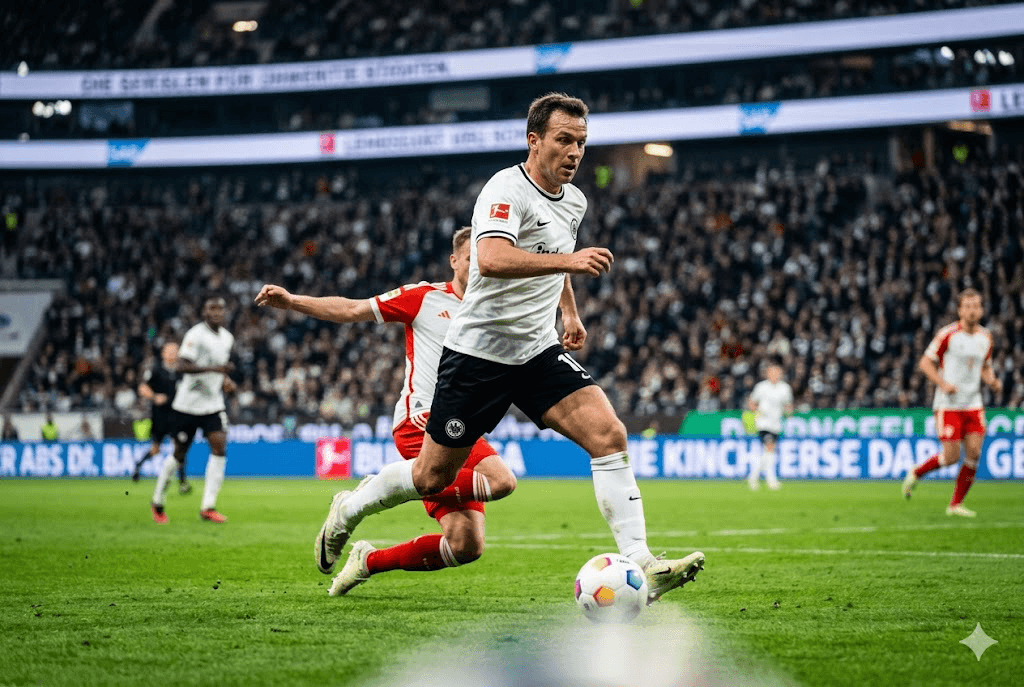
04-30 09:56
193

LaLiga
How the La Liga Salary Cap System Controls Roster Building
Today, Spanish football is shaped just as much by financial rules as by exciting goals. Running a top team means understanding the league’s strict economic rules. The La Liga salary cap system sits at the center of this, guiding how clubs sign players and manage their squads.
Instead of punishing clubs after they overspend, Spain uses an upfront system called the Squad Cost Limit (Límite de Coste de Plantilla Deportiva). This method affects which players clubs can register before the transfer window starts. To succeed in Spanish football, clubs need to know exactly how these limits are set.
Knowing how these caps are set explains why Spanish teams plan carefully during transfer windows. Clubs send detailed financial plans to the league’s economic committee, which looks at expected income and non-sporting costs to decide each club’s spending limit.
The Pillars of the Spending Cap
The Squad Cost Limit includes much more than just player salaries. To keep things clear, the league also counts several related expenses that show the real cost of running a first-team squad.
Fixed and Variable Salaries: These are base wages, bonuses for performance, payments for image rights, and any signing-on fees given to players and coaches.
Transfer Fee Amortization: When a club buys a player, the transfer fee is divided equally over the contract’s length. For example, if a player costs €50 million on a five-year deal, €10 million is counted each season.
Academy and Reserve Upkeep: Costs for youth teams and reserve squads are included in the financial calculations. This stops clubs from hiding expenses in their development programs.
Since the limit depends on each club’s income, the financial gap between teams can be huge. Real Madrid often has a spending limit over €700 million because of strong business deals. In contrast, clubs with debt or smaller stadiums have to build teams with much less money.
The Reality of Roster Registration
Signing a star player is just the first step. Registering them to play in league matches is another challenge. The league allows only 25 players on the first team. If a club’s total squad cost is over its limit, the league will not let them register new players or renew contracts.
If a club goes over its cap, it faces restrictions and cannot spend all the money it earns from transfers. Usually, it can use only 50% to 60% of the money saved from selling players or cutting wages. The club can spend every euro saved—the 1:1 rule—only when its costs are below the limit.
This rule means clubs must focus on letting players go before bringing in new ones. Teams often need to sell high earners or homegrown players to make room in their wage budget.
The 1:1 Rule Explained: A club is in “1:1 compliance” when its total squad costs are under the league’s set limit. This means every euro saved from selling players or cutting wages can be fully used for new signings.
Balancing the Books for Modern Competition
The main goal of these strict financial rules is to make sure Spanish footballclubs survive in the long run. By linking spending to real, proven income, the league lowers the risk of clubs going bankrupt from risky overspending.
These rules can be frustrating for fans who want big summer signings, but they encourage clubs to focus on youth development and smart scouting. Teams have to get creative, using loan deals with buy options or signing free agents to avoid high transfer fees. The system makes sure a club’s ambitions always match its financial reality.
TigerScores provides a comprehensive look at the sports world with live results, detailed player analytics, and the latest trending news. Browse our website to access a complete database of scores and stats designed to keep every fan fully informed and engaged.

2 days ago
140
Tiki Taka La Liga: The Rise and Fall of Spain's Style
During one of the best times in Spanish football, one style stood above the rest. Tiki Taka La Liga was known for its fast, precise passing and smart movement, often outplaying opponents. Developed in Spain and played with real skill, it changed how people played and watched football around the world.
Tiki Taka took inspiration from total football but it really came to life in La Liga. The focus was on keeping the ball and using possession for both defense and attack. The main idea was simple: if we have the ball, the other team cannot score. Players needed to be aware, skilled, and work well together. Barcelona and Spain’s national team became the best examples, winning trophies in Europe and around the world.
The Peak of the Passing Carousel
At its peak, Tiki Taka was almost impossible to stop. Teams kept the ball on purpose, using quick passes, smart movement, and sharp attacks to break down even the toughest defenses. This style required patience, as players waited for the right moment to make an important pass.
Several factors contributed to this dominance:
• A golden generation of technically gifted players.
• A unified tactical vision implemented from youth academies to the senior squad.
• This style also affected opponents mentally. Many teams lost confidence because winning the ball back was so difficult.
Playing this way led to huge success, with teams winning league titles, European cups, and major international tournaments. In this period, skill and smart play were more important than just strength and speed. Fans everywhere admired Spain’s style, especially their quick, short passing moves.
Decoding the Decline: Adaptation and Anti-Tactics
No style lasts forever. Tiki Taka’s success made other teams pay attention and adjust. Coaches across Europe changed their tactics, using strong pressing, tight defenses, and quick counter-attacks. Opponents sometimes gave up the ball on purpose, blocked passing lanes, and tried to use the space behind Spain’s high defensive line. In response, Spanish teams began to mix possession play with more direct attacks and defensive changes, starting a new phase in their style.
The decline happened slowly. Stronger, more energetic teams started to break up the rhythm. Opponents defended deep and packed the midfield and defense, so Spain kept the ball but had few real chances to score. Making key passes became harder, and the slow build-up was sometimes predictable. Dealing with these high-pressure tactics also wore out the players.
The Final Whistle on a Tactical Era?
Today, pure Tiki Taka is hard to find. Football now mixes possession with faster attacks, pressing, and more athletic play. Spanish teams still use short passes, but they do not control games like they once did. Still, Tiki Taka’s impact is clear. It set new standards for skill and tactics, shaping how players and coaches view the game. Even though its time at the top is over, its influence is still strong.
TigerScores is your ultimate multi-sport hub, delivering the latest scores, in-depth stats, and breaking news from the world of professional sports. Whether you're tracking league standings or looking for real-time game updates, our platform ensures you stay ahead of every play.

3 days ago
142
La Liga Tie Breaker Rules: H2H vs Goal Difference
La Liga is known for its fierce competition, with titles, European spots, and relegation often decided by just a few points. When teams end the 38-game season tied, La Liga uses special tie-breaker rules to sort out the final standings. These rules are important to know because they are quite different from those in leagues like the English Premier League.
The Primacy of Head-to-Head
While some leagues use overall goal difference first, La Liga looks at head-to-head results instead. If two teams have the same points, their ranking depends on how they did against each other in their two league matches that season.
This approach makes direct matchups very important. For example, if Team A beats Team B 2-1 at home and draws 1-1 away, Team A has a 3-2 advantage and will rank higher, even if their overall goal difference is lower.
This rule means teams must do well against their main rivals, which often leads to exciting matches like El Clásico.
Navigating Three or More Tied Teams
Things get more complicated when three or more teams finish with the same number of points. In this case, the usual two-team head-to-head rule does not apply.
Instead, a special 'mini-league' is created, looking only at the games played between the tied teams. This mini-league uses these factors:
1. Points gained in head-to-head matches among the tied clubs.
2. Goal difference from head-to-head matches among the tied clubs.
3. Total goals scored in head-to-head matches among the tied clubs.
This process helps narrow down the rankings. Results against teams not involved in the tie are ignored. If the mini-league still does not separate the teams, then the overall league record is used.
The Role of Overall Goal Difference
Head-to-head results always come first. If teams are still tied after those matches, such as if both games end in draws, then officials look at overall goal difference next.
If the overall goal difference is also the same, officials move to the next step. The next tie-breaker is the total number of goals scored during the season.
• Total goals scored across the entire season.
• The Fair Play standings (a points-based system penalizing yellow and red cards).
• A neutral venue playoff match, though this is an extremely rare necessity.
Goal difference is the final way to separate teams. Every goal matters, so teams need to attack and defend in every match, since any goal could decide the title or help avoid relegation.
The Impact of the H2H Structure
La Liga’s tie-breaker rules have a big impact on how teams plan their season. Because head-to-head results matter most, teams cannot just rely on scoring lots of goals against weaker opponents. They need to get good results against their main rivals.
A team fighting for the title can still win the league by beating their rivals, even if their goal difference is lower. In relegation battles, a single win over a rival is more important than a high-scoring draw. This system makes direct matchups a key part of La Liga.
Never miss a goal with TigerScores, the premier destination for live football results and league standings from around the globe. Whether you’re following the Premier League or local favorites, our website delivers the match insights and play-by-play action you crave.

4 days ago
150
La Liga Standings: The Final Month Title Scenarios
The last month of the Spanish football season is here, and the La Liga title race is more dramatic than ever. Real Madrid and FC Barcelona are neck and neck at the top, with Atletico Madrid close behind. Fans in Spain and around the world are watching every update and waiting to see which tactics will decide the champion. Every match is high-pressure now. One mistake could change everything, and every point counts.
Real Madrid’s Path to the Title
Real Madrid heads into this important stretch with a small lead. Even with some injuries, their recent performances have been steady. They rely on strong defense and quick counter-attacks. Their upcoming games include a tricky away match against a mid-table team that often surprises bigger clubs. Los Blancos know how to finish title races. Coach Carlo Ancelotti will count on leaders like Luka Modrić to keep the team focused.
To win the title, Real Madrid needs to make the most of their strong home record. Their last two home games are against teams fighting to avoid relegation, so they are expected to win both. They have been resilient all season and often find ways to win, even when not playing their best.
Barcelona's Hunt for the Trophy
Right behind them, FC Barcelona is playing some of their best football this year. Their attack is strong, and they control possession well. They still have two tough games left against top-four teams, one at home and one away. These matches could decide their season. To pass Real Madrid, they need to win both and hope someone else beats Madrid.
Barcelona clearly depends on their strong forwards and must keep scoring goals. They also need to improve their defense, which has not been as steady as their attack. Coach Xavi has to make sure his players stay calm when the pressure is on.
Atletico Madrid and the Rest
Atletico Madrid is in third place and still has a small chance at the title, but it is unlikely. Their main goal now is to secure a Champions League spot, which looks almost certain. Below them, the battle for the last European places is intense. This makes the final games even more interesting. Real Sociedad, Real Betis, and Villarreal are all fighting for position, and their results could affect the title race. These teams, known as "giant killers," can surprise any opponent.
• Atletico Madrid - Champions League place secured, still theoretically fighting for second.
• Real Sociedad - Strong contenders for Europa League, could finish top four if results go their way.
• Real Betis - Battle for Europa Conference League qualification.
Assessing the Final Fixtures
The final stretch is very important. Real Madrid’s remaining games look a bit easier, with more home matches against teams lower in the table. Barcelona has tougher games left against other top teams, which will really test them. Looking at the schedules, Madrid has a slightly easier path, but football is always unpredictable. Both coaches will need to manage injuries and rotate their squads carefully.
Real Madrid has the better head-to-head record, which gives them an important advantage if both teams finish with the same points. This means Barcelona must win their games, not just draw, to have a chance at the title.
The Final Verdict for La Liga
This season’s La Liga standings have been dramatic and exciting right up to the end. The close race between Real Madrid and FC Barcelona highlights the quality of Spanish football. The winner is still unknown, and every match is important. No matter who comes out on top, the 2023-2024 season will be remembered for its thrilling finish. Fans can look forward to an exciting last few weeks, where every goal and save will matter. The title race is still wide open and truly exciting.
TigerScores provides a comprehensive look at the sports world with live results, detailed player analytics, and the latest trending news. Browse our website to access a complete database of scores and stats designed to keep every fan fully informed and engaged.

7 days ago
352
Jude Bellingham Stats: Analyzing the Third Season Surge
Jude Bellingham’s rise has become one of the biggest stories in football today. He started as a promising player at Birmingham City and is now a star at Real Madrid. In only his third full season at the top level, Bellingham has not just adjusted to the intense demands of elite football—he has become a key figure. His growth shows in every match, but the stats from this season really highlight how much he has changed. This profile looks at how his performance has developed in the La Liga.
Evolution of a Complete Midfielder
When Bellingham joined Madrid, there were high expectations. He quickly exceeded them. In his third full season, he has taken on more responsibility, and his stats have jumped. He is no longer just a box-to-box midfielder—he is now a main part of the attack.
The stats show how much his role has changed. In his last season in Germany, he had 8 goals and 4 assists. Now, Bellingham is scoring and positioning himself much better in attack. This change is not by chance—it shows how his role has grown.
Attacking Dominance by the Numbers
His stats this season are impressive for a midfielder. For most of the season, Bellingham has averaged a goal or assist almost every game. This kind of efficiency used to be seen only in top strikers. It shows how much he stands out.
Key metrics that highlight his attacking threat:
• Goals Scored: Already well past double figures, surpassing previous season totals.
• Shots on Target Percentage: He is more accurate now, showing he is choosing his shots better.
• Touches in the Opposition Box: He is getting into the opponent’s box much more often, which means he is playing closer to goal and joining attacks more.
• Expected Goals (xG) Outperformance: Bellingham keeps scoring more goals than expected, which shows he is a top finisher.
Tactical Versatility in Action
Bellingham does more than just score goals. He controls the game, stops opponents’ attacks, and moves the ball forward smoothly. His passing in the final third is better now, and he makes smarter choices when under pressure. On defense, he is still tough to play against and ranks high for tackles and interceptions among attacking midfielders.
Impact on Madrid's Success
The stats are impressive, but Bellingham’s effect on Real Madrid’s team is just as important. Filling the gap left by club legends is tough, but Bellingham has helped solve many tactical challenges. He is a big reason for Madrid’s success in Spain and Europe. His skill in big games and under pressure might be his best quality.
The Verdict on Bellingham’s Ascension
Looking at Bellingham’s first, second, and third seasons, it’s clear he keeps getting better. The stats show he is not just in good form—he has truly become a superstar. He has gone from a promising young player to one of the most important in the world. What’s even more impressive is that, given his age and work ethic, he could improve even more. Jude Bellingham is now the player others will be compared to.
TigerScores provides a comprehensive look at the sports world with live results, detailed player analytics, and the latest trending news. Browse our website to access a complete database of scores and stats designed to keep every fan fully informed and engaged.

05-14 04:40
292