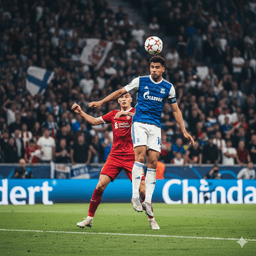
Why UEFA Changed the Final Kick-Off Time to 18:00 BST
For many years, the UEFA Champions League final always started at 19:45 BST. This late-evening kick-off became a tradition and a highlight for European football fans. But that changed when UEFA moved the final to an earlier 18:00 BST (19:00 CEST). This was not just a simple schedule change. It was a strategic decision shaped by changing global audiences and new broadcast needs.
The Television Audience Goes Global
The main reason for the time change was the growing global TV audience. UEFA is based in Switzerland and the competition started in Europe, but now people all over the world watch the games. The old 19:45 BST kick-off was great for Europe, but it made it hard for fans in other important regions, especially Asia, to watch live.
When the final started close to midnight in Central Europe, it was already very late at night or even early morning in places like Asia and Australia. Fans in cities like Mumbai, Bangkok, or Sydney had to stay up very late or wake up very early to watch. By moving the kick-off almost two hours earlier, UEFA made it much easier for these fans to watch the match live.
This change turned the final from a late-night challenge into a primetime event for the world’s most populated region. For example, the 2009 final in Rome saw a big increase in viewers across Asia. The goal was not just to get more viewers, but to reach new, dedicated fans at times when they were already awake.
Commercial Benefits and Sponsorship
Reaching a bigger global audience also means more commercial value. The UEFA Champions League final is not just a football game—it’s a worldwide marketing event. Sponsors and broadcasters want the biggest possible audience, and an earlier kick-off helps attract viewers from many countries, not just Europe. This makes the match more appealing to sponsors who want to reach a wider range of people.
A larger global audience also lets UEFA and its partners use marketing strategies that did not work before. For example, brands can now reach huge Asian markets with live ads during the match. The idea is simple: making the game easier to watch in key markets increases the value of media rights and benefits everyone involved.
Creating a Whole-Day Event
Besides the global TV reasons, moving the final to Saturday and starting earlier helped make the event even bigger. Host cities could now turn the final into a full-day celebration, not just an evening match. UEFA started organizing "Champions Festivals" and fan zones that created excitement from the morning through the evening.
Having activities from day to night changed the feel of the event. It made the final more family-friendly and let the host city’s culture play a bigger role in the matchday experience, instead of just focusing on pubs and stadiums. This approach boosted the local economy and made the final about more than just the 90 minutes of football.
Evolution, Not Erasure
At first, some traditional fans did not like the new kick-off time because they loved the special feeling of a late-night final. The excitement and dramatic lighting made many matches memorable. While the look and feel have changed, they are not gone. Modern stadium lighting still makes the games look amazing, and the excitement is still there.
While UEFA gave up some of the late-night excitement in Europe, they gained steady global interest. The 18:00 BST start time balances what the host country needs with what international fans want. The atmosphere did not go away—it just changed to fit a world where millions watch from different continents, and the stadium has to impress everyone.
The Reality of a Global Business
Changing the final kick-off to 18:00 BST shows the business side of top-level football. The UEFA Champions League is a very valuable event in a tough global media market. While the game is still about passion and tradition, it also needs to stay visible and bring in money to keep going.
This change in kick-off time was a smart move to focus on global growth instead of just European primetime. Some traditions were left behind, but the bigger audience and more money made the final the top global club football event. In a world where growth is key, moving the kick-off was a smart way to keep the competition strong and open to fans everywhere. In modern football, there is always a new market to reach.


Nuggets Still Upset With Thunder Over Luguentz Dort’s Flagrant Foul on Nikola Jokić
Trae Young Set to Make Wizards Debut vs. Jazz This Friday
Official news: The Trail Blazers waive Javonte Cook, averaging 1.2 points and 1 rebound this season
NBA Power Rankings (March 3)
Real Madrid's strong relationship with Bundesliga giants could pave the way for defensive signing
How Spurs’ greatest fear post-Ange turned real... and pressure test that will decide $500m fate
Akari's Lacsina named PVL Press Corps Player of the Week
Weekly Sports Quiz: Test Your Knowledge of Recent Games and Results
Cool Smashers, Titans eye wins in PVL AFC
Tracking Kai Sotto: 2026 Stats for the Gilas Big Man