Tactical Trends: How the UCL League Phase Changed Football
In 2026, football is going through a major change as the traditional group stage is replaced by a single league phase. This new UEFA Champions League format has made managers and coaches rethink their tactics. Instead of a quick push to qualify in six matches, teams now face a long, demanding season that changes how every game is played.
Early data and match observations show that things are very different from 2025. For example, the average number of goals per game has increased from 2.7 in 2025 to 3.3 in the first 48 matches of the 2026 league phase. Pressing frequency is also up, with teams recording an average of 86 high-intensity presses per match compared to 69 last season. This 2026 UCL tactical analysis explains how the new format has changed team selection and game strategy. Coaches now have to plan for eight matches against many different opponents and handle a tougher, busier schedule. These changes are shaping the way football is played today.
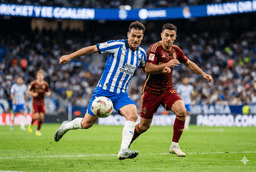
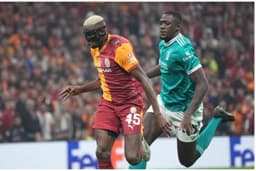
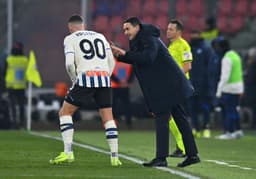
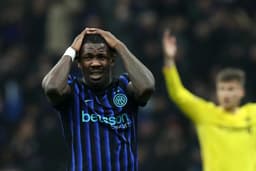
This change is not just about numbers; it is something you can feel. Matches are more intense as teams fight for every point in the single league table. The images here show how the game has become faster and more physical, with key moments in the midfield often deciding the result.
The End of "Playing for a Draw"
The biggest change seen in this 2026 UCL tactical analysis is that defensive setups aimed only at getting a draw are almost gone. In the old group stage, getting four points from two games against a rival was usually enough. Now, with a 36-team table, goal difference and total goals scored matter much more.
This setup encourages teams to play more positively. Even when ahead, teams keep attacking because a 3-0 win is much better than a 1-0 win. Teams that are behind can't just give up; they need to keep looking for goals since every goal can help their ranking. As a result, the game is now faster and more focused on quick transitions, with fewer teams just defending for a draw. Image 1 shows this change, highlighting intense battles for possession that quickly turn into attacks.
Optimized Squad Rotation and Tactical Flexibility
With the new eight-match schedule stretching into January, relying on a fixed starting lineup no longer works. Managers have to use their whole 25-man squad and plan careful rotation. This change has a big effect on tactics:
1. Hybrid Systems: Coaches cannot perfect a single system with limited personnel. They are increasingly deploying hybrid formations that can shift (e.g., from 4-3-3 to 3-5-2) mid-match depending on the player profile on the pitch. Clubs like RB Leipzig under coach Marco Rose and Manchester City under Pep Guardiola have become known for using these adaptable setups in their European campaigns this season, often switching formations during matches to counter opponents and manage player workload.
2. Specialized Roles: Because of rotation, more players with unique skills are getting important playing time. One match might feature a pressing specialist, while the next highlights a player who can break down defensive teams. This makes preparing for each opponent more complicated.
3. Physical Prioritization: To keep up the high intensity shown in Image 1 throughout the long season, teams must focus on fitness and avoiding injuries. If a tactic is too demanding, coaches need to balance it with more controlled, possession-based play.
Pressing Triggers and Midfield Volatility
With teams more focused on attacking, the midfield has become much more unpredictable. This 2026 UCL tactical analysis shows a big rise in coordinated, high-energy pressing.
The tactical trend is not just how teams press, but where. Teams are triggering presses earlier in the opponent's build-up phase, hoping to force turnovers close to the goal. This aggression leads to high-reward, high-risk scenarios. If the press is broken, large gaps open up behind the midfield. The premium on these "complete" midfielders has never been higher. Players like Jude Bellingham at Real Madrid and Nicolo Barella at Inter have thrived in this environment, combining defensive awareness with forward drive. Manchester City's Rodri and Bayern's Joshua Kimmich are also standout examples, managing both the physical demands and the ability to orchestrate play under pressure. Their ability to read the game and cover ground has made a clear difference in this new, pressing-heavy landscape.
The New European Landscape
Switching to the league phase has removed meaningless matches and made the competition tougher all season. Tactically, teams have moved away from passive, result-focused football to a more dynamic, aggressive, and squad-based style. The game is now faster, more direct, and physically demanding. As the UCL 2026 season goes on, the teams that manage their players’ fitness and adapt their tactics to this fast-paced style will be the ones leading the new single table.
Never miss a goal with TigerScores, the premier destination for live football results and league standings from around the globe. Whether you’re following the Premier League or local favorites, our website delivers the match insights and play-by-play action you crave.


Brunson Has Coach Brown’s Back After Controversial Non-Call
Thibodeau Unhappy With Calls on SGA: "I Don’t Understand Why It Wasn’t Whistled"
PBA All-Star Festivities Make Highly Anticipated Return
Chemistry & Familiarity Key as Meralco Prepares for Conference Clash
Celta Vigo vs Real Madrid – Match Preview & Prediction
Orlando Magic vs Dallas Mavericks Preview & Prediction
Robert Lewandowski Ready to Return With Barcelona as the Masked Goalscorer Against Athletic Bilbao in la Liga
Six candidates for Bundesliga Player of the Month award for February revealed
Serious Real Madrid injury could have multiple Arsenal impacts
PLDT aims to regain top spot