Soccer Injury Mitigation: Complete Soft-Tissue & Muscle Strain Prevention Guide
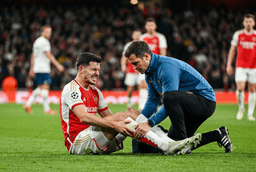
Soft-tissue injuries remain the primary source of lost match days in modern football. Hamstring strains, adductor issues, calf tears, and ankle sprains frequently sideline key athletes, disrupting team tactical rhythm and jeopardizing season objectives. While acute contact injuries are an inherent risk of the sport, current sports science demonstrates that the vast majority of non-contact muscle and ligament damage is preventable through structured neuromuscular interventions. Implementing a science-backed, proactive conditioning protocol is essential for building resilient players capable of enduring elite competition.
Modern soccer places unparalleled physical demands on athletes. High-speed running volume, rapid changes of direction, and congested fixture calendars create immense musculoskeletal stress. Achieving effective soccer injury mitigation requires an integrated approach combining load monitoring, dynamic neuromuscular warm-ups, eccentric strength training, and systematic recovery protocols.
Understanding the Mechanisms of Soft-Tissue Injury
Soft-tissue injuries rarely occur in isolation. They are almost universally the result of cumulative fatigue, improper load management, or unaddressed biomechanical imbalances.
1. The Role of Neuromuscular & Mental Fatigue
As physical and cognitive fatigue accumulates during match play, movement mechanics and neuromuscular control degrade. Force absorption becomes less efficient, reaction times slow, and joint stabilization mechanisms falter. Recent research highlights that mental fatigue specifically impairs non-dominant limb mechanics, leading to asymmetrical force distribution during deceleration and landing. This creates ideal conditions for acute muscle failure or ligament sprains—particularly in the final 15 minutes of each half. Managing match and training fatigue is therefore a foundational aspect of muscle strain prevention.
2. Load Management and Overtraining
Rapid spikes in acute training load relative to chronic workload significantly elevate injury risk. When athletes are exposed to sharp increases in high-speed running volume without adequate adaptation time, tissue structural integrity breaks down. Monitoring load metrics through GPS microtechnology—specifically tracking the Acute-to-Chronic Workload Ratio (ACWR)—allows coaches to keep training stress within an optimal target zone (0.8–1.3) while preserving chronic capacity to protect against spikes.
3. Biomechanical Imbalances and Compensations
Asymmetric strength development or restricted joint mobility forces surrounding muscles to compensate. For instance, restricted hip extension caused by tight hip flexors inhibits gluteus maximus engagement, placing excessive eccentric stress on the hamstrings during high-speed sprinting. Identifying and resolving these movement flaws through screening protects vulnerable muscle groups.
Pillar 1: Football Conditioning Drills for Dynamic Warm-Ups
Traditional static stretching prior to activity decreases peak power output and does not reduce non-contact injury rates. Modern football conditioning drills utilize dynamic movement patterns and neuromuscular training (NMT) designed to elevate core body temperature, increase muscle elasticity, enhance proprioception, and optimize neural drive.
The RAMP & FIFA 11+ Framework
Structure dynamic warm-ups using the RAMP model (Raise, Activate, Mobilize, Potentiate) while integrating validated neuromuscular components from the FIFA 11+ program. Clinical trials show that high-compliance teams using structured neuromuscular warm-ups achieve a 30% to 50% reduction in overall lower-extremity injuries.
| Phase | Objective & Drill Examples |
|---|---|
| 1. Raise | Elevate body temperature, HR & blood flow. Multi-directional low-intensity jogging; shuttle runs with dynamic active contact. |
| 2. Activate | Fire movement stabilizers & gluteal complex. Mini-band lateral walks; single-leg glute bridges & Copenhagen planks. |
| 3. Mobilize | Dynamic range of motion work through movement. Walking lunges with thoracic rotation; dynamic leg swings (sagittal & frontal planes). |
| 4. Potentiate | High-intensity CNS activation & sport specificity. Short explosive acceleration bursts (5-10m); reactive deceleration stops & 45° cutting drills. |
Pillar 2: Strength and Conditioning for Muscle Strain Prevention
Building structural resilience requires a periodized strength program. Stronger muscles, tendons, and fascia absorb higher energy loads before reaching tissue failure.
Targeted Exercise Prescriptions
The following evidence-based S&C protocol targets the key soft-tissue injury vectors in soccer:
| Pillar / Target Area | Exercise Protocol | Volume & Intensity | Biomechanical Mechanism & Benefits |
|---|---|---|---|
| Hamstring Protection | Nordic Hamstring Curls | 3 sets x 5–8 reps | Increases eccentric strength and lengthens muscle fascicle length, reducing strain risk by up to 51% (British Journal of Sports Medicine). |
| Groin & Adductor Resilience | Copenhagen Adduction Planks | 3 sets x 10–15 sec per side | Enhances eccentric adductor strength to mitigate groin strains caused by sudden changes of direction or kicking. |
| Force Absorption & Quadriceps | Bulgarian Split Squats | 3–4 sets x 6–8 reps per leg | Develops unilateral leg strength, fixes left-to-right power asymmetries, and stabilizes the knee joint complex. |
| Posterior Chain & ACL Safety | Single-Leg Romanian Deadlifts | 3 sets x 8 reps per leg | Strengthens hamstrings and glutes while improving single-leg balance and hip hinge mechanics. |
Pillar 3: Agility & Deceleration Training for Joint Stability
Soccer is characterized by frequent deceleration, landing, and cutting maneuvers. While acceleration generates explosive actions, controlled deceleration absorbs high kinetic forces, making it essential for joint stability and injury prevention.
Mastering Deceleration Mechanics
When decelerating, athletes must lower their center of mass, maintain a stable trunk, and plant the foot firm with proper knee-to-toe alignment (preventing knee valgus). If the athlete lacks the eccentric strength to dissipate this force, excess energy shifts directly to passive structures like the ACL and menisci.
Practical Deceleration Drills:
1. 10m Sprint to Linear Controlled Stop: Athlete sprints at 100% effort for 10 meters, then decelerates to a complete, balanced stop within a 2-meter zone. Focus on a low center of mass and short, braking footsteps.
2. 45-Degree Cut with Plant Mechanics: Athlete executes a high-speed approach, plants the outside foot, and changes direction at 45 degrees. Ensure the plant knee remains directly aligned over the second toe, avoiding inward collapse.
3. Drop Jump to Stick Landing: Drop from a 30cm box onto two feet, landing quietly with deep hip and knee flexion to train optimal force dissipation mechanics.
Pillar 4: Soft-Tissue Recovery Strategies for Accelerated Regeneration
Adaptation and tissue repair occur during periods of recovery, not during the training sessions themselves. Inadequate regeneration places players in a state of chronic fatigue, accelerating soft-tissue degradation.
Key Recovery Modalities
Sleep Optimization: Sleep is a primary physical and cognitive recovery tool. Athletes sleeping fewer than 7–8 hours per night are significantly more injury-prone due to elevated systemic stress markers and slowed tissue regeneration. Aim for 8–9 hours of sleep in a cool, dark environment.
Nutritional Support: Ingest 1.6–2.2 grams of protein per kilogram of body weight daily to support muscle myofibrillar repair. Consume high-glycemic carbohydrates within 45 minutes post-match to rapidly restore depleted muscle glycogen.
Active Recovery & Hydrotherapy: Low-intensity activity (e.g., stationary cycling at 50% HRmax) the day following a match increases systemic blood flow without adding mechanical load. Alternating cold and warm water immersion (Contrast Water Therapy: 1 min at 12°C / 2 min at 38°C for 3–4 cycles) aids in flushing metabolic byproducts and reducing delayed onset muscle soreness (DOMS).
Targeted Soft-Tissue Therapy: Foam rolling and massage therapy relieve local myofascial tightness, restore muscle tissue compliance, and maintain joint mobility across dense competition blocks.
Technical Summary of Soft-Tissue Injury Prevention Strategies
| Component | Target Metric / Focus | Recommended Implementation | Core Benefit |
|---|---|---|---|
| Warm-Up | RAMP & FIFA 11+ Framework | 15–20 min prior to session | Neural activation & 30-50% injury reduction |
| Strength Training | Eccentric & Unilateral Work | 2x per week (In-Season) | Structural resilience & hamstring strain reduction |
| Deceleration | Force Dissipation | 1–2x per week within S&C | Joint protection & ACL risk mitigation |
| Recovery | Sleep & Nutrition Protocols | Daily / 24-Hour Process | Tissue repair & fatigue management |
Implementation Checklist for Coaches and Athletes
1. Conduct Baseline Screenings: Evaluate hip mobility, ankle dorsiflexion, and bilateral stability to identify non-dominant limb deficits before the season begins.
2. Structure Warm-Ups around RAMP & FIFA 11+: Transition away from static stretching; implement dynamic movements and neuromuscular drills prior to every session.
3. Schedule Eccentric Strength Sessions: Integrate Nordic Hamstring Curls and Copenhagen Planks twice weekly during late-stage warm-ups or gym sessions.
4. Monitor Daily Readiness: Track morning resting heart rate, HRV, subjective soreness, and mental fatigue scores to adjust individual training load dynamically.
5. Enforce Post-Match Recovery Protocols: Prioritize immediate protein and carbohydrate intake, followed by hydrotherapy and minimum 8 hours of quality sleep.
By shifting from a reactive mindset to a proactive, evidence-based framework, coaches and players can significantly diminish non-contact soft-tissue injuries, keeping their best athletes on the pitch throughout the competitive season.
Never miss a goal with TigerScores, the premier destination for live football results and league standings from around the globe. Whether you’re following the Premier League or local favorites, our website delivers the match insights and play-by-play action you crave.


All-Time PBA Block Leaders: Defensive Records and Rim Protection History
Greatest Comebacks in International Basketball Qualifiers History
Comprehensive Guide to NBA Two-Way Contracts: Roster Rules, Cap Impact, and Development
Mastering the True Shooting Percentage Formula: A Complete Guide to Basketball Scoring Efficiency Metrics
Historic Football Turnarounds: The 3 Greatest World Cup Comebacks of All Time
Basketball Rebounding Technique & Drills: Mastering Glass Control
UEFA Super Cup Finals: A History of Glory, Tactics, and Records
Soccer Injury Mitigation: Complete Soft-Tissue & Muscle Strain Prevention Guide
FIFA World Cup History: The Enduring Appeal of the Third-Place Play-Off
Breaking the Press: Tactical Build Up and High Press Resistance in Modern Soccer