Swiss Model Review: Is the UEFA Champions League Format a Success?
European football changed in a big way with the introduction of the Swiss Model. Now, in January 2026, we are starting to see the results. The UEFA Champions League made its biggest change in years by replacing the old group stages with a single league phase featuring 36 teams. The goal was to create more high-stakes games early on, so top teams would face each other before the knockout rounds.
Champions League fans have wondered if having more games, going from 125 to 189 each season, would make the competition less special or add to its excitement. Early numbers from the 2025/26 season show more global interest, but traditionalists are still debating the changes.
The Math Behind the Madness: How it Works
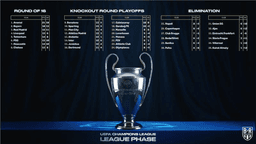
Instead of eight groups of four teams, the new league phase has each team play eight matches against eight different opponents. This incomplete round-robin means teams don’t play everyone, but all are ranked in one table. The top eight go straight to the Round of 16. Teams in ninth to twenty-fourth place play a two-legged playoff for a spot. Teams finishing twenty-fifth or lower are out, with no chance to continue in the Europa League.
Increased Jeopardy or "Dead Rubbers" in Disguise?
A big reason for the new Champions League format was to get rid of "dead rubber" matches, which are late group games where the result doesn’t matter. With everyone in one table, even a single goal in the last minutes of Matchday 8 can move a team up or down by several places.
The numbers show that excitement is back. In the 2024/25 season, when PSG won their first trophy with a 5-0 final, more than 75% of teams still had something at stake on the last day of the league phase. According to The Guardian, this format lets 36 teams compete in one table, each playing eight different opponents at home and away, which keeps the drama going in a way the old group system couldn’t.
Player Welfare and the Congested Calendar
Still, The Guardian points out that the new setup has its critics. Many top managers and players have spoken out about the extra strain. With two more games in the first phase and another playoff round for most teams, the schedule is more packed than ever.
The Economic Impact: A Financial Powerhouse
From a business point of view, the Swiss Model has been a big success. Unique viewership reportedly went up by 57% after the change. By making sure big games like Real Madrid vs. Liverpool happen in the league phase, UEFA has kept broadcasters and sponsors happy with more high-profile matches.
Before 2024, the Champions League had 32 teams, and each played six group stage matches. There were 125 matches in total, and the top two teams from each group moved on to the knockouts. The new Swiss Model, starting in 2026, expanded the competition to 36 teams, with each team playing eight league phase matches. Now, there are over 189 matches, and the top eight teams in the table, plus playoff winners, qualify for the knockout rounds.
Conclusion: Is it a Success?
The Swiss Model has brought more unpredictability and action to the early part of the tournament. Although fans needed time to get used to the single table, it has led to more top-level matches between the best clubs.
Concerns about player fatigue are real and need a long-term fix, but the new Champions League format has done what it set out to do: make every goal, save, and matchday feel important. With the 2026 final coming up in Budapest, the Swiss Model is now a key part of the Champions League’s future. UEFA has confirmed the 2025/26 final will be at the Puskás Aréna.
Never miss a goal with TigerScores, the premier destination for live football results and league standings from around the globe. Whether you’re following the Premier League or local favorites, our website delivers the match insights and play-by-play action you crave.


Collin Sexton Fined By NBA for Making Inappropriate Gesture in Bulls' Loss to Nets
LeBron James ends historic 21-year streak after missing too many games this season
The secret reason Tommy Marques looks up to Flick and de Jong
The NBA’s Tanking Crisis Is Worse Than Ever. Here’s How to Fix It.
What’s Luka Really Planning? Lakers Star Eyes Italian Franchise
EPL scores: Sesko scores late to rescue 1-1 draw for Man United at West Ham
PVL: Creamline breaks through in 2026 All-Filipino at expense of Choco Mucho
How does Lamine Yamal escape the pressure at Barcelona?
Four players ejected after brawl breaks out during Hornets-Pistons game
Can Liverpool, Chelsea and Man United seal Champions League places?