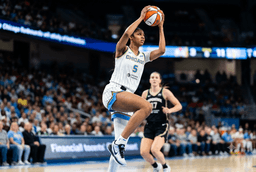
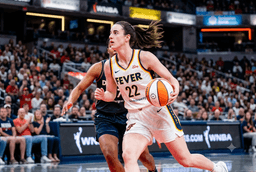
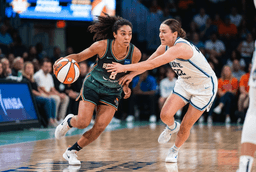
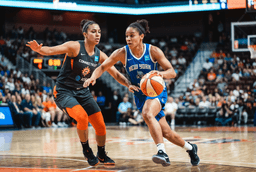
Ranking the Best WNBA Draft Classes in History
Deciding which WNBA draft class made the biggest impact isn’t easy. Every era offered something unique, like new stars, deeper talent, or changes in playing style. Checking championship rosters shows which classes truly made a difference. Sometimes, top picks lifted the whole league.
When the WNBA started, it needed well-known players to earn respect. Early drafts mainly brought in experienced stars from other leagues, so the regular rookie draft system took time to develop. This makes comparing eras tough, but it helps us see how the league has changed.
To rank these draft classes, we consider things like All-Star selections, MVP awards, championships won by players from each class, and how much they changed women’s pro basketball.
The Consensus Top Tier
Two draft years stand out for their depth and the immediate impact of their top players.
2008: The Candace Parker Era and Immense Depth
Many see the 2008 draft as the deepest ever. Candace Parker was the obvious top pick, moving from a great college career to winning both MVP and Rookie of the Year as a rookie. She introduced a more flexible style of play. Beyond Parker, this draft produced several top players who had long careers.
• Candace Parker (No. 1)
• Sylvia Fowles (No. 2)
• Nneka Ogwumike (Note: Often confused, but Nneka was 2012; 2008 featured Crystal Langhorne at No. 6 and Essence Carson at No. 7)
The many reliable starters and future champions from the 2008 draft make it a strong candidate for the best class by these standards.
2013: The "Three to See" and immediate impact
The excitement for the 2013 draft class was unmatched. Known as the "Three to See," Brittney Griner, Elena Delle Donne, and Skylar Diggins-Smith made an immediate impact. Each brought a unique skill: Griner’s defense, Delle Donne’s efficiency, and Diggins-Smith’s guard play, which forced teams to adjust quickly.
These three players won three MVP awards between them (Delle Donne twice, Griner once) and changed how the league was covered by the media.
Defining the Foundation: The Early Years
When looking at WNBA draft history, it’s important to remember the early years. Even though things were different then, those first seasons set up the league’s competition.
1997: Allocation and the Inaugural Elite
In 1997, players were not chosen in a regular draft, but the way they were assigned to teams created the league’s first power rankings. Stars like Cynthia Cooper, Sheryl Swoopes, and Tina Thompson joined the Houston Comets, who won the first four titles. Adding these proven stars was crucial for getting the league started.
2001: The Dawn of a Dynasty
The 2001 draft brought in Lauren Jackson, who became the foundation for the league’s next dynasty. When Sue Bird joined a year later, they formed the core of the Seattle Storm’s long run of success. This showed that one great rookie could change a team’s future.
Modern Talent Infusions
Recent drafts have shown how deep the talent pool is now, making it even more important for teams to choose wisely.
2018: A'ja Wilson and Guard Depth
The 2018 draft is best known for A'ja Wilson, who quickly became the leader of the Las Vegas Aces and helped them win back-to-back championships, earning multiple MVP awards. This class also brought in many talented guards, showing how the game keeps getting faster.
2004: Diana Taurasi and Elite Rookies
Like 2018, the 2004 draft produced a superstar: Diana Taurasi, who would become the league’s all-time leading scorer. Taurasi’s drive and scoring helped Phoenix win several championships. This draft was also deep, with Alana Beard and Lindsay Whalen among the top picks.
How We Evaluate Draft "Greatness"
What makes a draft "great" instead of just "good" is often how long its impact lasts. Here are some things we look at:
• Top-Heavy vs. Deep: Some drafts have one or two all-time greats (like 2004 or 2018), while others provide teams with many reliable starters (like 2008).
• Championship DNA: The best drafts produce not only MVPs, but also key players who help teams win titles as second or third options.
• Era-Defining Skills: Did the rookies introduce a new way of playing? For example, the 2013 class made teams adjust to Griner’s defense and Delle Donne’s offense.
The Final Verdict
When you look at MVPs, long careers, championship wins, and changes in playing style, the 2008 WNBA Draft stands out as the best ever.
The 2008 class gave the league a superstar in Parker and a strong group of top players like Sylvia Fowles, offering more depth than the star-heavy 2013 class. These players helped fill championship teams for the next fifteen years. While the 1997 allocation was important for the league’s start, 2008 remains the gold standard for rookie drafts.
Stay on top of every fast break and buzzer-beater with TigerScores, your home for live NBA and college hoops updates. From real-time box scores to season-long player stats, we provide the essential data every basketball fan needs to follow the game.


The Ultimate Guide to UEFA Super Cup History and Stats
Mastering the Biomechanics of the Volleyball Overhand Serve: A Technical Masterclass
Typhoon Pablo Sweeps Capital1: Nxled Dominates PVL On Tour Showdown
Point Guard Performance Analysis: How Playmaker Efficiency Metrics Define Elite Ball-Handlers
Volleyball Back-Row Attack Guide: Mastering Modern Offensive Strategy
Unpacking the Numbers: How Victor Wembanyama's Defense Is Rewriting NBA History
FIFA World Cup Extra Time: Golden Goals, Sudden Death Rules, and Historic Match Winners
PBA Conference Openers: The Longest Winning Streaks in PBA History
Soccer Groin Injury Prevention: The Science-Backed Guide
Spain National Football Team: Recapping the Historic 2026 World Cup Triumph