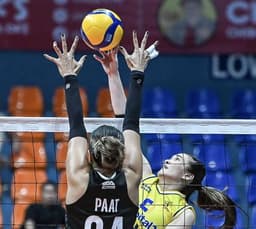
PVL for Newbies: Understanding Libero, Setter, and Opposite Hitter
To get into professional volleyball, it helps to start by learning the court positions. Each of the six players has a specific job, but three roles—the setter, the libero, and the opposite hitter—are especially important for a team’s success. Once you know what these players do, watching a match, whether in person or online, becomes much more interesting. This article explains these three key positions for beginners.
The Setter: The Court General
If you think of the team as an orchestra, the setter is like the conductor. People often call setters the quarterbacks of volleyball because they run the offense and direct the plays. Almost every attack goes through the setter.
The setter’s main job is to take the team’s second touch, after the serve is received or the ball is dug, and set the ball high and close to the net so a hitter can attack.
Setters need great hand-eye coordination to control the ball accurately, even when under pressure. They also have to make quick decisions, reading the other team’s defense and picking the best hitter to attack. Strong leadership is important too. Setters talk to their teammates to keep everyone organized and the team’s rhythm steady.
A great set isn’t just about being accurate. It’s also about tricking the blockers and making them guess who will hit the ball.
The Libero: The Defensive Specialist
You can spot the libero easily because they wear a different-colored jersey. This shows their special defensive role and unique substitution rules. The libero plays only in the back row and focuses on defense.
Liberos focus only on defense. They don’t serve, block, or attack balls above the net. Their main jobs are:
• Digging: Quickly reacting to hard spikes from the other team and passing the ball so it doesn’t hit the floor.
• Serve Reception: Receiving the opponent’s serve and passing it accurately to the setter to start the team’s attack.
• Court Coverage: Liberos are usually the quickest players. They cover a lot of ground and help keep rallies going.
You might not see the libero’s impact in the score, but they keep rallies going and make sure the first pass is solid. These skills are extremely valuable.
The Opposite Hitter: The Versatile Scorer
The opposite hitter, or "opposite," stands across from the setter in the rotation. This role needs a player who can do a bit of everything, helping out on both offense and defense.
On offense, the opposite is usually one of the team’s main scorers, often attacking from the right side. What sets them apart is that they can attack from both the front and back rows, so they’re always a scoring threat.
Key responsibilities include:
• Attacking from the Right Side: This position lets them go up against weaker blockers, who are often setters.
• Back-Row Attacking: Unlike outside hitters, opposites often do powerful "D-ball" attacks. This means jumping and hitting the ball from behind the ten-foot (three-meter) line that separates the front and back rows.
• Blocking: On the right side, opposites are the main blockers against strong outside hitters from the other team. This means they need to be good at defending at the net.
Opposites need to be strong attackers, but they also need the size and skill to help out on defense.
Mastering the Roles to Enjoy the Game
If you’re new to the PVL, learning about the setter, libero, and opposite will help you enjoy the sport even more. Instead of just seeing a blur of rallies, you’ll start to notice the strategy and skill behind every play. Next time you watch, focus on these three players and you’ll see the game differently.
Track every spike and set with TigerScores, your go-to source for live Premier Volleyball League scores and tournament updates. Visit our site to stay informed on the latest match results, team rankings, and player performances across the professional and collegiate circuits.


TNT’s New Engine: Analyzing Calvin Oftana’s Career-High Averages
How FIFA Rankings Work: Points, Coefficients, and Pot Seeding
Players with the Most Assists in Premier League History
Will Curry’s 3-Point Record Ever Be Broken?
What is an NBA Two-Way Contract? Rules and Roster Limits
PVL for Newbies: Understanding Libero, Setter, and Opposite Hitter
A Guide to the History of the NBA Defensive Player of the Year Award
The Maestro: Comparing De Guzman to International Setting Standards
The PBA for Beginners: A Guide to the Oldest Pro League in Asia
Filipino-American Power: Van Sickle’s Defensive Masterclass