NBA Betting Lines Explained for Beginners, So You Can Start Betting Smarter Tonight
If you’re new to sports betting, NBA lines and odds can look confusing at first. But once you learn the basics, betting on NBA games becomes much easier and more enjoyable. First, pick a trusted sportsbook, sign up, deposit some money, and choose the NBA bet you want to try. This guide will break down the three main types of NBA bets: point spreads, moneylines, and totals. With these tips, you’ll be ready to place your first bets and follow the games with more confidence.
Before diving into those details, here is what you can expect to learn from this guide: by the end, you’ll know how to read and interpret point spreads, moneylines, and totals; how to spot which team is the favorite and underdog; and how to identify straightforward opportunities for beginners to start betting smarter. These clear objectives will help you follow each section and build your understanding step by step.
Understanding the Three Main Wagers
The NBA betting landscape can initially seem complex, but standard game lines center on three primary categories. For fans seeking to elevate their engagement with professional basketball, understanding how to bet on NBA games requires mastering these core concepts.
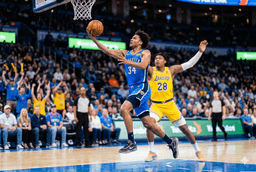
Every basket, foul, or dramatic play on the court can shift the outcome of a wager. For example, a last-second three-pointer might allow the underdog to cover the point spread, a clutch free throw could push the total points just over the bookmaker's line, or an unexpected turnover in the final seconds may decide a moneyline bet. The dynamic action on the floor directly impacts each of the best types sportsbooks offer.
Before placing any wagers, set yourself up for success by running through this quick pre-bet checklist:
1. Check the latest injury reports and confirm active lineups for both teams.
2. Review recent performance trends, including team form and any playing streaks or rest days.
3. Assess relevant news or updates, such as last-minute coaching decisions or changes in home court conditions.
Once you've covered these key points, you can confidently approach the three main betting lines: the point spread, the moneyline, and the total (over/under)
The Point Spread: Head-to-Head Handicapping
The point spread is the most common way to bet on an NBA game. It shows how many points the sportsbook thinks the favorite will win by. This helps make betting fair for both teams, even if one is much stronger than the other.
The Favorite (-): The team expected to win must "cover the spread" by winning the game by more points than the listed handicap. To put it simply, "covering the spread" means that the favored team wins by enough points to beat the handicap set by the sportsbook. For example, if the Celtics are -7.5, they must win by 8 points or more to cover the spread.
The Underdog (+): This team can "cover" either by winning the game outright or by losing by fewer points than the listed spread. If the Knicks are +7.5, they cover if they win, or if they lose by 7 points or less.
When you see a line like "Bucks -4.5," it means Milwaukee is favored by 4.5 points. If they win by 5, bettors who backed the Bucks win their wagers. If they win by only 4 (or lose), those who took the opposing team (+4.5) are successful.
The Moneyline: Picking the Winner
The moneyline is a straightforward wager on which team will win the game. There is no point handicap involved. Sportsbooks adjust the payout (or "odds") based on each team’s perceived probability of victory.
The odds tell you two things: which team is the favorite and how much a specific bet will pay out.
Favorites (-): A negative number (e.g., -150) indicates the favorite. This number represents how much you must wager to win $100 in profit. You bet $150 to make a $100 profit.
Underdogs (+): A positive number (e.g., +130) identifies the underdog. This number shows the profit you will make on a standard $100 wager. A $100 bet earns $130 in profit.
Since underdogs have a lower probability of winning, they offer a higher potential return for the associated risk.
The Total: Predicting the Score
The Total, often called the Over/Under, is not concerned with which team wins. Instead, bettors predict whether the combined total points scored by both teams in the game will be higher (Over) or lower (Under) than the benchmark set by the sportsbook.
A standard NBA total might be set at 222.5. If the final score is 115-110, the total points are 225, meaning the 'Over' bet wins. If the final score is 108-102, the total is 210, and the 'Under' is successful.
Bookmakers may adjust the total leading up to tip-off based on factors like key player injuries, offensive pace, or defensive matchups. As with all NBA bets, checking for late-breaking news can be beneficial.
Initial Steps for Success
To do well in NBA betting, it’s important to be disciplined. Set a budget just for betting and don’t risk too much on one game. Most experts suggest betting only 2 to 5 percent of your total bankroll on each bet. For example, if you have $100, bet only $2 to $5 per game. This helps you manage your money and keep playing longer. Controlling your losses is just as important as trying to win.
It’s better to use data than emotions when betting. For example, after your favorite team loses a close game, you might want to bet on them again right away to win back your money. But chasing losses usually leads to bigger problems. Instead, use beginner-friendly sites like TigerScores for stats, team records, and injury updates. Check things like scoring averages, defensive ratings, recent results, and who is playing. Watch for trends and see how teams do in different situations, like back-to-back games. No method can guarantee a win, but making smart choices with simple stats gives you the best chance to do well over time.


Atlético Madrid to meet Tottenham Hotspur in Champions League last 16
Barcelona vs Villarreal: La Liga – preview, team news, start, lineups
Ayo Dosunmu escaped one of the biggest tank jobs of the NBA season
Casio, Wilson Shore UP MPBL Relaunch of Basilan
Aston Villa: Premier League title dreams over as Unai Emery tries to salvage top-five hopes
PBA: Rensy Bajar to call shots for Titan Ultra beginning Commissioner's Cup
Ishie Lalongisip, Cignal look to keep top spot in PVL All-Filipino vs Akari
McCain Continues Hot Streak: 6-of-8 for 14 Points in Thunder’s 127-121 OT Win Over Nuggets
Tatum Sidelined 41 Weeks, Celtics-76ers Game Moved Fueling Return Speculation
Tatum Sidelined 41 Weeks, Celtics-76ers Game Moved Fueling Return Speculation