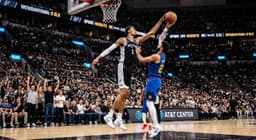
Mastering Basketball Defense Strategy: The Physics of Box-Out Technique & Rebounding
An elite basketball defense strategy requires more than forcing a missed shot—it demands finishing the possession by securing the ball. While raw vertical leap gets highlight reels, winning the battle of the boards consistently hinges on geometry, leverage, and predictive tracking.
Players who master defensive rebounding tips understand how to calculate rim angles and secure inside position before the ball even leaves the shooter's hands.
The Geometry of Reading Shot Trajectories
Effective rebounding positioning begins the split-second a shot is released. According to NBA tracking data, over 70% of missed shots land on the side opposite the shooter, making anticipation a matter of precise calculation rather than luck.
Rebound Tendencies by Shot Location
| Shot Location | Primary Rebound Trajectory | Strategic Defensive Adjustment |
|---|---|---|
| Corner 3-Pointer | Caroms 15–20 ft to weakside wing | Weakside guard must crash outside the paint |
| Wing / Top of Key | 60% bounce to opposite elbow | Big men seal key; guards cover free-throw line extended |
| Short Mid-Range | Drops short near restricted area | Primary defender maintains tight contact; no drop-step needed |
Understanding basketball geometry and physics enables defenders to act proactively instead of reacting after the ball strikes the rim.
The Physics of Proper Box-Out Technique
Executing a high-yield box-out technique relies on basic mechanics: lowering your center of gravity to create a wider base and maximizing surface contact to negate an opponent's momentum.
Pro Rule: Rebounding isn't about jumping higher than your opponent; it's about making contact first and using your hips as a fulcrum to seal off space.
Step-by-Step Box-Out Execution
1. Establish Immediate Contact: As the shot goes up, turn and make firm contact with the offensive player's chest or midsection using your forearm or upper back. Do not watch the flight of the ball.
2. Drop Center of Gravity: Bend your knees to widen your base and lower your hips below the opponent's waist. A lower center of gravity makes it physically difficult for an aggressive offensive player to push through your position.
3. Pivot & Seal (The Reverse Pivot): Swing your back leg around to turn your back to the opponent, pushing your hips back against them to lock inside position and create a firm barrier between their body and the rim.
4. Explode at the Apex: Track the ball off the rim, release from contact, and leap to seize the basketball with two hands at the highest reachable point above the rim.
4 Actionable Defensive Rebounding Tips for Coaches & Players
Applying basketball defense strategy in high-pressure games requires instinctive execution. Focus on these core habits during team drills:
1. Read the Shooter's Arc: High-arcing shots produce softer, closer rebounds off the rim. Flat shots strike the back iron at high velocity, resulting in long rebounds toward the perimeter.
2. First Contact, Then Ball: Modern rebounders like Dennis Rodman (who averaged 13.1 rebounds per game) and Josh Hart (averaging 7.4 RPG as a guard) prioritize securing body leverage over immediately jumping for the ball. Seal the player first; grab the ball second.
3. Chin the Basketball: Upon securing the rebound, bring the ball down under your chin with elbows flared wide to protect it from stripping guards.
4. Execute the Outlet Pass Immediately: Turn toward the sideline and hit a rushing guard to instantly transition from a successful defensive stop into a high-efficiency fast break.
Why Rebounding Defines Team Success Beyond the Box Score
Defensive rebounds finish defensive possessions. When teams execute the box-out technique consistently, they limit second-chance points, force opponents into long defensive transitions, and establish total control over the tempo of the game. Mastering the physical geometry of rebounding transforms effort into measurable, game-winning defense.
Stay on top of every fast break and buzzer-beater with TigerScores, your home for live NBA and college hoops updates. From real-time box scores to season-long player stats, we provide the essential data every basketball fan needs to follow the game.


Mastering Basketball Defense Strategy: The Physics of Box-Out Technique & Rebounding
Volleyball Back-Row Tactics: How to Master the Pipe Attack & Elevate Your Offense
Top Classic Premier Volleyball League Provincial Tour Matches
Volleyball Floor Defense: Essential Backcourt Drills & Training Guide
Mastering Volleyball Setter Strategy: Advanced Setter Distribution Tactics & Offensive Tempo
LeBron James Workout Regimen: Inside His Fitness Routine & NBA Recovery Methods
PBA All-Time Steals List: Ranking the Greatest Defensive Legends in History
Kevin De Bruyne's Attacking Midfielder Evolution: Stats, Tactics, and Legacy
Jayson Tatum: Career Stats, Playing Style Analysis, and the Legacy of a Boston Celtics Superstar
Sudden Death Soccer History: The World Cup’s Most Dramatic Golden Goals