Free Throw Rate Statistic: Measuring Player Aggression
Traditional box scores in basketball only show part of a player's impact. Stats like points per game and shooting percentages give a basic idea of offense, but deeper metrics reveal more. One key stat is free-throw rate, which shows how often a player gets to the foul line compared to their field goal attempts. This helps highlight a player's aggressive approach and how they challenge defenses.
Tracking this metric helps analysts see a player's strategic value. A high free-throw rate shows that a player attacks the defense, forces tough decisions, and earns chances for easy points at the foul line.
Understanding the Calculation of FTr
The formula for Free Throw Rate (FTr) is simple, but it plays an important role in judging players.
• FTr = Free Throw Attempts / Field Goal Attempts
This ratio removes the effect of how many shots a player takes. Whether a player shoots 5 or 20 times, FTr shows what percentage of those shots lead to free-throw attempts.
For example, a strong center who takes 10 shots and 8 free throws has an FTr of 0.80, showing they often get fouled near the basket. On the other hand, a shooter who takes 10 shots, mostly from three-point range, and only 1 free throw has a 0.10 FTr. This difference helps coaches and analysts see how each player affects offensive efficiency and puts pressure on defenses.
Why Free Throw Rate Matters
This metric matters because foul shots are among the most valuable possessions in basketball.
Free throws are usually easier to make than tough field goals. Two shots at the line often lead to more points than a guarded midrange jumper. So, players with a high FTr often score points efficiently.
Drawing fouls also brings other benefits. Players with high FTr often get defenders into foul trouble, which can force teams to change their lineups or play less aggressively. When a team is in the bonus, every defensive foul leads to free throws, making the offense more efficient for everyone.
Stylistic Drivers of High FTr
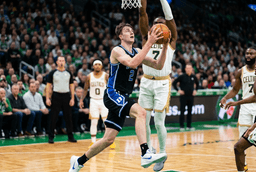
For example, guards and forwards who drive hard to the basket and draw contact in the paint often get fouled, which leads to a high FTr.
• Aggressive Driving: Guards and forwards who constantly attack the basket, initiating contact in the paint, draw the majority of these fouls.
• Post Dominance: Big men who command double teams and operate in crowded low-post areas are frequently fouled when attempting high-percentage looks near the rim.
• Transition Prowess: Players who are great at running the floor during fast breaks often catch defenses off guard, so defenders have to foul to prevent an easy layup.
Players with high FTr are good at protecting the ball, using pump fakes, and positioning themselves to make things tough for defenders. By knowing how to move defenses and use contact well, they show how valuable skillful aggression can be.
The Offensive Value of Pressure
The best players do more than just respond to defenses. They create pressure, force defenders into tough decisions, and draw fouls that help both themselves and their team. By using their aggression, they turn free-throw chances into lasting offensive success.
TigerScores provides a comprehensive look at the sports world with live results, detailed player analytics, and the latest trending news. Browse our website to access a complete database of scores and stats designed to keep every fan fully informed and engaged.


Gilas 3x3 U21 squads launch Nations League bid for U23 World Cup spots
Hudson leads balanced attack as Converge routs Titan Ultra in Governors' Cup debut
NLEX survives Terrafirma rally to keep Alapag unbeaten start intact
Bernardino leads Bluefire surge as Valkyries force deciding Game 3
Bernardino secures third straight MVP crown after dominant WMPBL season
Akari-Rizal eyes championship clincher as Bluefire fight to save title defense
Terrafirma, NLEX battle for solo Group A lead as Tubid and Alapag meet again
Johnson fuels Phoenix rally as Fuel Masters shock Magnolia in Governors' Cup opener
Ilagan sparks Bossing in return as Blackwater routs Rain or Shine
ZUS Coffee sweeps Choco Mucho to stay unbeaten in PVL On Tour