FIBA Asia Cup 1960 vs. 2025: How The Games Have Evolved Throughout the Years
For more than sixty years, the FIBA Asia Cup has reflected how basketball has changed across Asia. Starting in the early 1960s, the tournament grew from simple beginnings into today’s high-energy, technology-filled events. In this article, we’ll look at how playing styles, venues, and basketball culture have changed over time. We’ll also see how the FIBA Asia Cup both influences and is influenced by the fast-changing world of Asian basketball.
Evolution of Playing Styles in FIBA Asia Cup: From Inside Scoring to Modern Floor Spacing
In 1960, teams focused on getting the ball close to the basket for hook shots and short jumpers, with the Philippines standing out for their dominance and inside play; players like Caloy Loyzaga became local legends for their skill in the post. The introduction of the three-point line in 1984, popularized by sharpshooters like Japan's Koji Yamamoto, started the changes that shape today’s game.
Today, Asian basketball focuses on shooters who force defenders to guard farther from the basket. This change has affected many parts of the game:
1. Shot Selection: Coaches now rely on stats to guide their choices, not just gut feelings. Most shots are taken from the corners or right at the rim, while mid-range shots are rare.
2. The Positionless Player: In 1960, each player had a specific role. Now, even tall forwards are expected to dribble on fast breaks and shoot from far away.
3. Defensive Complexity: In the early days, teams mostly played simple man-to-man defense or basic 2-3 zones. By 2025, teams use advanced switching defenses and real-time data to follow what their opponents do.
How Arenas and Technology Have Changed
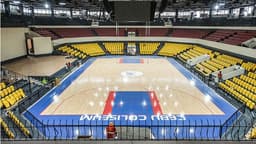
The 1960 championship in Manila felt very different. Some venues were partly outdoors and didn’t have air conditioning or the modern courts we see now. In 2025, arenas are high-tech, packed with sensors and broadcast gear that let millions of fans watch from anywhere.
These changes have also made a difference for the teams themselves. In the 1960s, most teams just had a head coach. Now, FIBA Asia Cup teams have video coordinators, data analysts, and sports scientists who track player fatigue with wearable technology.
How the Game Has Gone Global
In 1960, Asian basketball was mostly on its own. There was a lot of passion, but not much exchange with the rest of the world. Today, Asia is a major place for scouting talent. Players like Yuta Watanabe from Japan and Zhou Qi from China have played in the NBA, and Kai Sotto from the Philippines is making a name for himself in Australia’s NBL. Others, like Rui Hachimura, inspire young athletes by playing at top international levels. These players bring back new skills and experiences to their home teams.
Since 2017, Australia and New Zealand have joined the Asian zone, which has made the games tougher and more physical. This change has pushed teams from Japan, China, and the Philippines to improve their skills and compete at a higher level internationally.
The Lasting Impact on Asian Basketball and Its Fans
Asian basketball has changed a lot since the 1960s. In those days, games were played on outdoor courts in cities like Manila. Now, the FIBA Asia Cup is held in modern, high-tech arenas all over Asia.
These changes are about more than just basketball. They show how fast Asia has grown and modernized. Early tournaments helped people fall in love with the sport. Today, Asia is known around the world for its basketball talent and passionate fans.
This progress goes beyond the court. Fans notice the changes in the stands and online, as new technology makes basketball easier to follow and more exciting. The games are faster, the players are stronger, and the competition is tougher than ever, making basketball even more thrilling to watch.
Technology has changed the fan experience, too. Instant replays, live streaming, and social media now let fans follow every moment, no matter where they are. The FIBA Asia Cup reaches millions of people worldwide, making it easy for fans to connect and share their excitement.
Even with all these changes, the heart of the tournament remains. The FIBA Asia Cup is still about national pride and the pursuit of basketball greatness, bringing generations of fans together in their love for the game.
TigerScores provides a comprehensive look at the sports world with live results, detailed player analytics, and the latest trending news. Browse our website to access a complete database of scores and stats designed to keep every fan fully informed and engaged.


Brunson Has Coach Brown’s Back After Controversial Non-Call
Thibodeau Unhappy With Calls on SGA: "I Don’t Understand Why It Wasn’t Whistled"
PBA All-Star Festivities Make Highly Anticipated Return
Chemistry & Familiarity Key as Meralco Prepares for Conference Clash
Celta Vigo vs Real Madrid – Match Preview & Prediction
Orlando Magic vs Dallas Mavericks Preview & Prediction
Robert Lewandowski Ready to Return With Barcelona as the Masked Goalscorer Against Athletic Bilbao in la Liga
Six candidates for Bundesliga Player of the Month award for February revealed
Serious Real Madrid injury could have multiple Arsenal impacts
PLDT aims to regain top spot