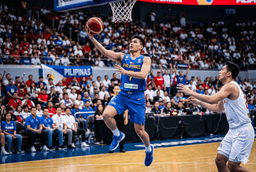
B-League vs. PBA: Comparing the Two Asian Basketball Powerhouses
Asian basketball has grown from a local passion into a global topic. Across the continent, many leagues are thriving, but two stand out in conversations about viewership, history, and competition: the Philippine Basketball Association (PBA) and Japan's B.League. Comparing the PBA and B.League is not simple, since each league has its own style, structure, and philosophy.
To see what sets these leagues apart, it helps to look at what makes each one successful. The PBA is the second-oldest pro basketball league in the world, right after the NBA. Its long history includes famous moments, like the rivalry between Barangay Ginebra and Purefoods, which has excited Filipino fans for years and shaped the league’s spirit. The PBA’s conference-based season has also produced dramatic finals, including the famous "never-say-die" comebacks that are still celebrated in Philippine sports.
Japan’s B.League, on the other hand, is much newer and is growing quickly. It follows a Western-style, season-long format that brings stability. The 2020-21 season was a turning point, drawing record fan interest and showing the league’s focus on attracting top international players. This has helped the B.League become a rising force in Asian basketball.
These differences shape each league’s style. The PBA is known for its physical play and focus on experienced stars. The B.League, with its larger rosters and different rules for foreign players, favors a fast, high-scoring game. This article aims to look past regional bias and compare how both leagues perform on the court, attract fans, and plan for the future.
PBA vs B.League: Playing Styles, Pace, and Philosophy Compared
The main difference between the leagues shows up in how fast they play. PBA coaches usually focus on careful execution and half-court plays. Teams rely on strong individual players and tough frontlines, with defense that is known for being physical. Every possession matters, and the physical style makes each point hard to get. Games often feel like a test of endurance.
The B.League plays a different style. Teams focus on spacing the floor and moving the ball quickly. Their offense relies on three-point shots and fast breaks. Defense is still important, but the main goal is to keep the game moving fast, which leads to more possessions and demands top fitness from players.
PBA vs B.League Import Rules: Impact and Key Differences
How each league uses foreign players is a major factor that shapes competition. This is probably the biggest difference between the PBA vs the B.League.
The PBA has a unique system. It limits foreign players by height and requires teams to play without them in some conferences, like the All-Filipino Cup. This setup gives local players a chance to grow under pressure and often helps create local stars. When imports do play, they are usually top scorers who can change a team’s style.
The B.League takes a more steady approach. Teams usually have several imports on their active roster all season. This changes how teams rotate players and lets Japanese players shine in specific roles alongside talented foreign centers and wings. Notable imports include Nick Fazekas, who became a star for the Kawasaki Brave Thunders, and former PBA MVP Allen Durham, who played for the Ryukyu Golden Kings. Other players like Daquan Jones and Kosuke Kanamaru have also raised the league’s level, making the impact of foreign players clear to fans.
PBA vs B.League: Roster Rules, Player Development, and League Structure Compared
One of the B.League’s main strengths is stable rosters. The league uses a promotion and relegation system with three divisions. This setup pushes all clubs, big or small, to invest in their facilities and develop local talent to stay competitive.
The PBA has a set number of teams that compete in three tournaments each season: the Governors' Cup, the Commissioner's Cup, and the Philippine Cup. This format can lead to significant changes in team performance, depending on the import rules in place. While it means there are several championships each year, the PBA does not have a single, season-long story like the B.League.
Future of Asian Basketball: PBA vs B.League Rivalry and Growth
The B.League is modernizing quickly, building new arenas and bringing in top players from Asia and the United States, including many well-known Filipinos. Its strong infrastructure and steady season format make it a popular choice. In recent seasons, a number of high-profile Filipino stars have made their mark in the B.League, such as Thirdy Ravena (San-en NeoPhoenix), Dwight Ramos (Levanga Hokkaido), Kiefer Ravena (Shiga Lakes), Bobby Ray Parks Jr. (Nagoya Diamond Dolphins), and Matthew Wright (Kyoto Hannaryz). Their success has made the league more competitive and built a strong connection with Filipino fans.
The PBA still has a strong hold on Filipino culture. Its history, rivalries, and loyal fans cannot be replaced. The league’s biggest strength is its deep connection to the country’s identity and its resilience. While the B.League may be ahead in modern facilities, the PBA makes up for it with passion, tradition, and tough, memorable games.
Shifting Balance of Power in Asian Basketball
There is no clear winner between the PBA and B.League, as each is built for different goals. The B.League brings stability, speed, and modern facilities that help it grow quickly in the global market. The PBA offers rich history, strong cultural ties, and a tough style of play that shapes resilient athletes. As Asian basketball continues to grow, the real winners are the fans, who get to witness these two distinct powerhouses evolve and compete for influence across the continent.
Stay on top of every fast break and buzzer-beater with TigerScores, your home for live NBA and college hoops updates. From real-time box scores to season-long player stats, we provide the essential data every basketball fan needs to follow the game.


Atlético Madrid to meet Tottenham Hotspur in Champions League last 16
Barcelona vs Villarreal: La Liga – preview, team news, start, lineups
Ayo Dosunmu escaped one of the biggest tank jobs of the NBA season
Casio, Wilson Shore UP MPBL Relaunch of Basilan
Aston Villa: Premier League title dreams over as Unai Emery tries to salvage top-five hopes
PBA: Rensy Bajar to call shots for Titan Ultra beginning Commissioner's Cup
Ishie Lalongisip, Cignal look to keep top spot in PVL All-Filipino vs Akari
McCain Continues Hot Streak: 6-of-8 for 14 Points in Thunder’s 127-121 OT Win Over Nuggets
Tatum Sidelined 41 Weeks, Celtics-76ers Game Moved Fueling Return Speculation
Tatum Sidelined 41 Weeks, Celtics-76ers Game Moved Fueling Return Speculation